
Beautiful Plants For Your Interior
Beautiful Plants For Your Interior
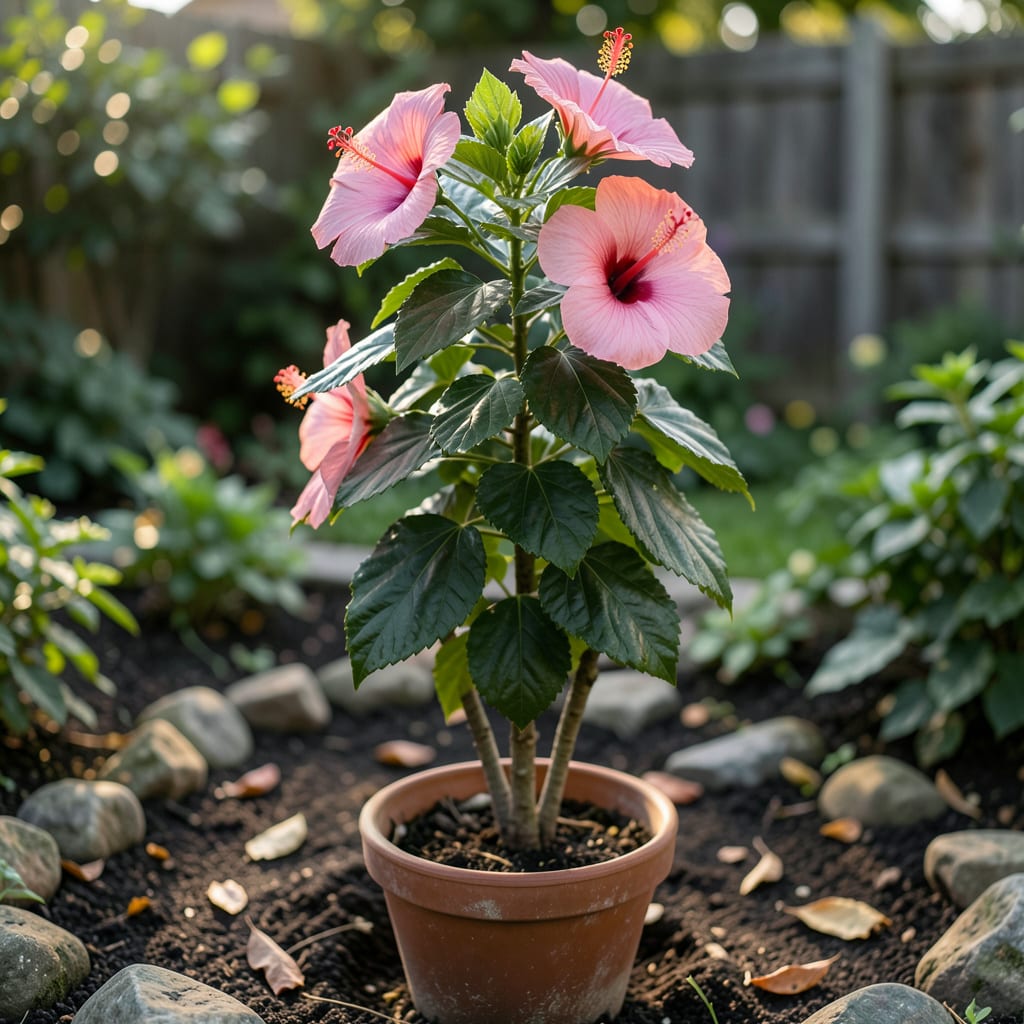
I’ve always been fascinated by the vibrant blooms of Hibiscus 🌺 plants, but getting them to thrive requires understanding their light requirements. Too little or too much light can significantly impact their growth and flowering.
In USDA zone 6, providing the right amount of light is crucial for these beautiful plants to flourish. Let’s explore the ideal lighting conditions for Hibiscus plants and how to ensure they receive the right amount of light.
 Best Window Placement
I’ve found that Hibiscus plants require a significant amount of light to thrive. In fact, they need full sun to produce an abundance of flowers 🌺.
The ideal light condition for Hibiscus plants is 6+ hours of direct sunlight per day. This can be achieved by placing them near a south-facing window or outside in a spot that receives direct sunlight for most of the day ☀️.
Hibiscus plants are sensitive to light conditions, and providing the right amount of light is crucial for their growth and flowering. In the next section, we’ll explore how different light conditions affect Hibiscus growth and blooming.
To ensure your Hibiscus plant receives the right amount of light, you can adjust its position according to the time of day and season 🌟.
For example, during the summer months, you may need to provide some shade for your Hibiscus plant to prevent it from getting too much direct sunlight 🌞.
In contrast, during the winter months, you may need to supplement with grow lights to provide your Hibiscus plant with the light it needs to thrive 💡.
By understanding the light requirements of your Hibiscus plant, you can take steps to provide it with the right conditions to promote healthy growth and flowering 🌱.
Monitoring your plant’s response to different light conditions is also crucial. If you notice that your Hibiscus plant is not producing flowers or is becoming leggy, it may be a sign that it’s not receiving the right amount of light 🔍.
In summary, Hibiscus plants require full sun to thrive, and providing the right amount of light is crucial for their growth and flowering 🌼.
By following these tips and understanding the light requirements of your Hibiscus plant, you can help it thrive and produce an abundance of beautiful flowers 💐.
The light conditions for Hibiscus plants play a crucial role in their growth and blooming. As someone who’s grown these beautiful plants, I can attest that understanding how different light conditions affect them is essential 🌟.
Hibiscus plants require full sun to produce an abundance of flowers. However, the intensity and duration of light can significantly impact their development. Let’s explore how different light conditions affect Hibiscus growth and blooming 🌿.
When Hibiscus plants receive the right amount of light, they respond with vigorous growth and abundant flowering. On the other hand, insufficient light can lead to weak and spindly growth, reducing the overall health and beauty of the plant 🌻.
To ensure your Hibiscus plant thrives, it’s essential to monitor its response to light conditions and make adjustments as needed 🔍.
For example, if you notice that your Hibiscus plant is not producing flowers, it may be a sign that it’s not receiving enough light 🌟.
In my experience, Hibiscus plants that receive full sun tend to produce more flowers and have healthier leaves compared to those that receive partial shade 🌞.
By understanding how light conditions affect Hibiscus growth and blooming, you can take steps to provide your plant with the right conditions to promote healthy growth and flowering 🌱.
In summary, providing the right amount of light is crucial for the health and beauty of Hibiscus plants. By understanding their light requirements and making adjustments as needed, you can enjoy a thriving and flowering Hibiscus plant 🌼.
I’ve found that providing the right light for Hibiscus plants is crucial for their growth and flowering. To ensure your plant thrives, follow these practical tips 🌟.
First, position your Hibiscus plant in a spot that receives 6+ hours of direct sunlight per day. This can be near a south-facing window or outside in a sunny location ☀️.
For optimal growth, rotate your Hibiscus plant every few days to ensure even light distribution 🔄.
If you can’t provide 6+ hours of direct sunlight, consider using supplemental lighting such as grow lights 💡.
Monitor your plant’s response to different light conditions and adjust its position accordingly. If you notice leggy growth or reduced flowering, it may be a sign that your plant needs more or less light 🔍.
During seasonal changes, adjust your Hibiscus plant’s position to accommodate the changing light patterns. For example, during the summer months, provide some shade to prevent scorching 🌞.
In my experience, Hibiscus plants that receive the right amount of light tend to produce more flowers and have healthier leaves 🌼.
By following these tips and understanding the light requirements of your Hibiscus plant, you can promote healthy growth and flowering 🌱.
In summary, providing the right light for your Hibiscus plant is crucial for its growth and flowering. By positioning it correctly, using supplemental lighting when needed, and monitoring its response, you can enjoy a thriving and flowering Hibiscus plant 🌺.
Hibiscus plants require at least 6 hours of direct sunlight per day to thrive and produce abundant flowers. Insufficient light can lead to weak and spindly growth.
While Hibiscus plants can tolerate partial shade, they won’t produce as many flowers. For optimal blooming, choose a location with full sun.
During winter months, you can use grow lights to supplement the natural light. This will help maintain the health and promote flowering of your Hibiscus plant.
Rotate your Hibiscus plant every few days to ensure even light distribution and prevent uneven growth. This simple step can make a big difference in the overall health of your plant.
