
Beautiful Plants For Your Interior
Beautiful Plants For Your Interior
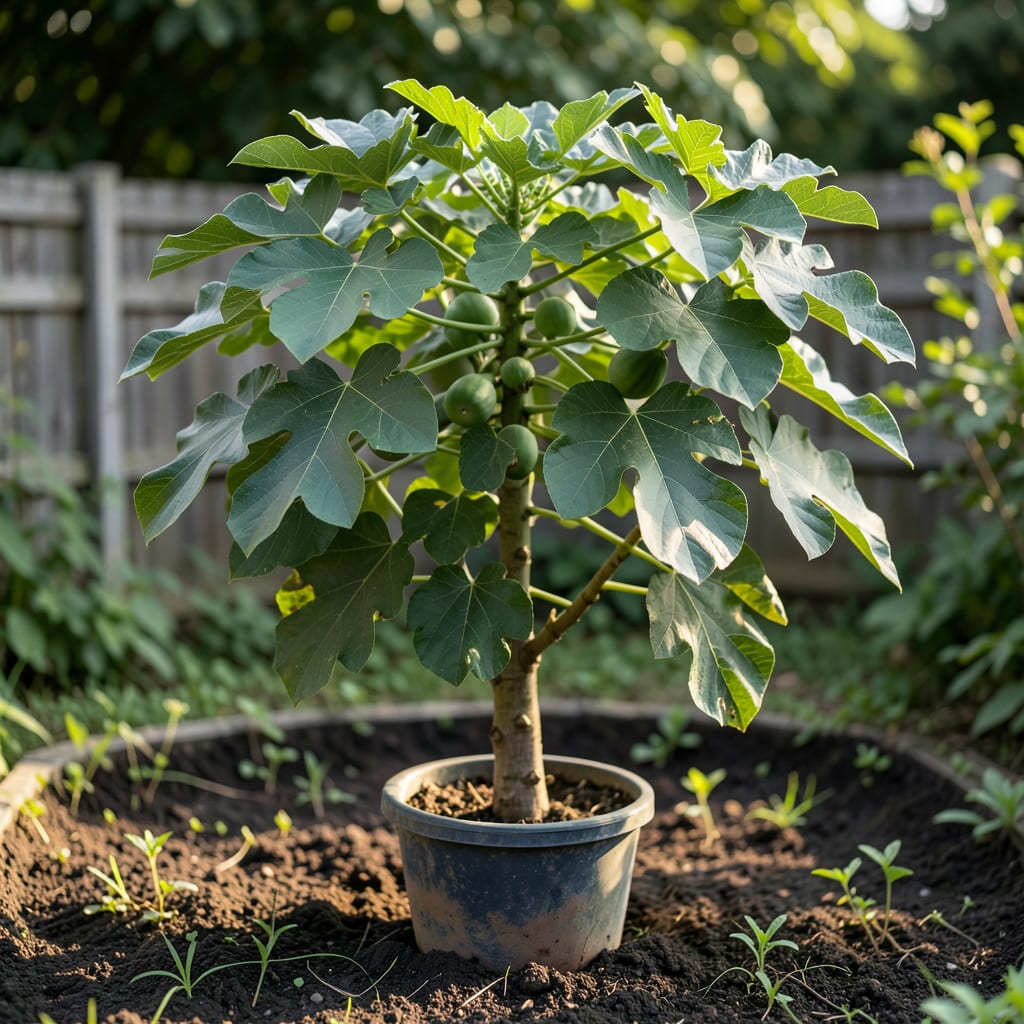
Growing a healthy 🫐 Fig plant requires understanding its light needs. Too little or too much light can affect its growth and fruit production.
I’ve found that Fig plants thrive in full sun conditions, needing at least 6 hours of direct sunlight daily. Whether you’re growing your Fig plant indoors or outdoors in USDA Zone 6, getting the light right is crucial for its success.

Fig plants are known for their delicious fruit and ornamental value, but proper light exposure is crucial for their growth, fruit production, and overall health. I’ve found that Fig plants thrive in full sun conditions, needing at least 6 hours of direct sunlight daily.
The amount of light a Fig plant receives directly impacts its development. Insufficient light can lead to weak growth and reduced fruiting, while excessive light can cause leaf scorch and damage. Finding the right balance is key to successful cultivation 🌞.
When growing Fig plants indoors, it’s essential to replicate their natural light requirements. Placing them near a South-facing window is ideal, as it provides the necessary direct sunlight. If natural light is limited, consider supplementing with grow lights to ensure your plant receives adequate illumination 💡.
Outdoor cultivation also requires careful consideration of light exposure. Fig. plants can thrive in full sun conditions, but it’s crucial to avoid intense midday sun, which can cause leaf scorch. Providing some afternoon shade can help prevent this issue 🌳.
The light requirements for Fig plants can vary depending on the variety and growing conditions. However, as a general rule, they prefer bright, direct light to produce abundant fruit and maintain healthy growth. Monitoring your plant’s response to light and adjusting its placement accordingly is key to optimizing its performance 📊.
In my experience, Fig plants are relatively adaptable to different light conditions, but they will always perform best in optimal light. By understanding and meeting their light needs, you can enjoy a bountiful harvest and a thriving, healthy plant 🌼.
Key factors to consider when evaluating light for Fig plants include the duration of light exposure, the intensity of the light, and the direction of the light source. By taking these factors into account, you can create an optimal growing environment for your Fig plant 🔍.
To summarize, Fig plants require at least 6 hours of direct sunlight daily to thrive. Whether growing indoors or outdoors, ensuring they receive the right amount of light is crucial for their growth, fruit production, and overall health 🌻.
By providing your Fig plant with the appropriate light conditions, you can promote healthy growth, maximize fruit production, and enjoy the many benefits of growing this versatile and rewarding plant 🌸.
To optimize light conditions for Fig plants, it’s essential to understand their specific needs. Fig plants require full sun to produce abundant fruit and maintain healthy growth. When growing indoors, place them near a South-facing window to provide the necessary direct sunlight 🌞.
If natural light is limited, consider using grow lights to supplement the available light. This is particularly important during the winter months when daylight hours are shorter. I’ve found that Fig plants respond well to supplemental lighting, which can help maintain their growth and productivity 💡.
For optimal growth, ensure your Fig plant receives at least 6 hours of direct sunlight daily. If growing indoors, rotate the plant regularly to promote even growth 🌱.
When growing Fig plants outdoors, choose a location that receives full sun for most of the day. Be mindful of the intense midday sun, which can cause leaf scorch. Providing some afternoon shade can help prevent this issue and ensure the plant remains healthy 🌳.
The light requirements for Fig plants can vary depending on the variety and growing conditions. However, as a general rule, they prefer bright, direct light to thrive. Monitoring your plant’s response to light and adjusting its placement accordingly is key to optimizing its performance 📊.
In my experience, Fig plants are relatively adaptable to different light conditions, but they will always perform best in optimal light. By understanding and meeting their light needs, you can enjoy a bountiful harvest and a thriving, healthy plant 🌼.
Key factors to consider when evaluating light for Fig plants include the duration of light exposure, the intensity of the light, and the direction of the light source. By taking these factors into account, you can create an optimal growing environment for your Fig plant 🔍.
To summarize, Fig plants require at least 6 hours of direct sunlight daily to thrive. Whether growing indoors or outdoors, ensuring they receive the right amount of light is crucial for their growth, fruit production, and overall health 🌻.
Fig plants can experience several light-related issues that affect their growth and fruit production. One common problem is insufficient light, which can lead to weak and spindly growth, reduced fruiting, and increased susceptibility to disease 🌟.
On the other hand, excessive light can cause leaf scorch, where the leaves become discolored and damaged due to intense sunlight. This is particularly common during the hottest part of the day when the sun’s rays are strongest 🔥.
Be cautious of extreme light conditions, as they can significantly impact your Fig plant’s health. Monitor your plant’s response to light and adjust its placement accordingly to prevent damage 🌿.
To address light-related issues, it’s essential to understand the specific needs of your Fig plant. If you’re growing your plant indoors, ensure it’s receiving sufficient light, and consider using grow lights if necessary 💡.
When growing outdoors, be mindful of the intense midday sun and provide some afternoon shade to prevent leaf scorch. You can use shade cloth or other shading methods to filter the intense sunlight 🌳.
In my experience, Fig plants are relatively adaptable to different light conditions, but they will always perform best in optimal light. By understanding and addressing light-related issues, you can promote healthy growth, maximize fruit production, and enjoy the many benefits of growing this versatile and rewarding plant 🌸.
Key factors to consider when evaluating light-related issues include the duration of light exposure, the intensity of the light, and the direction of the light source. By taking these factors into account, you can create an optimal growing environment for your Fig plant 🔍.
To summarize, being aware of common light-related issues and taking steps to address them is crucial for maintaining a healthy and productive Fig plant. By providing the right amount of light and taking corrective action when necessary, you can enjoy a bountiful harvest and a thriving plant 🌻.
Fig plants prefer full sun and need at least 6 hours of direct sunlight daily. While they can tolerate some shade, insufficient light can lead to weak growth and reduced fruiting. For best results, choose a location with plenty of direct sunlight .
While Fig plants need full sun, excessive direct sunlight can cause leaf scorch, especially during the hottest part of the day. To prevent this, consider providing some afternoon shade, especially in warmer climates .
Yes, grow lights can be a great supplement for indoor Fig plants, especially during winter months when natural light is limited. They help maintain the plant’s growth and productivity. Ensure the lights are placed at an appropriate distance to avoid burning the leaves .
To promote even growth, rotate your indoor Fig plant regularly. This ensures all parts of the plant receive adequate light. Rotating every 1-2 weeks is typically sufficient, depending on the plant’s position relative to the light source .
