
Beautiful Plants For Your Interior
Beautiful Plants For Your Interior
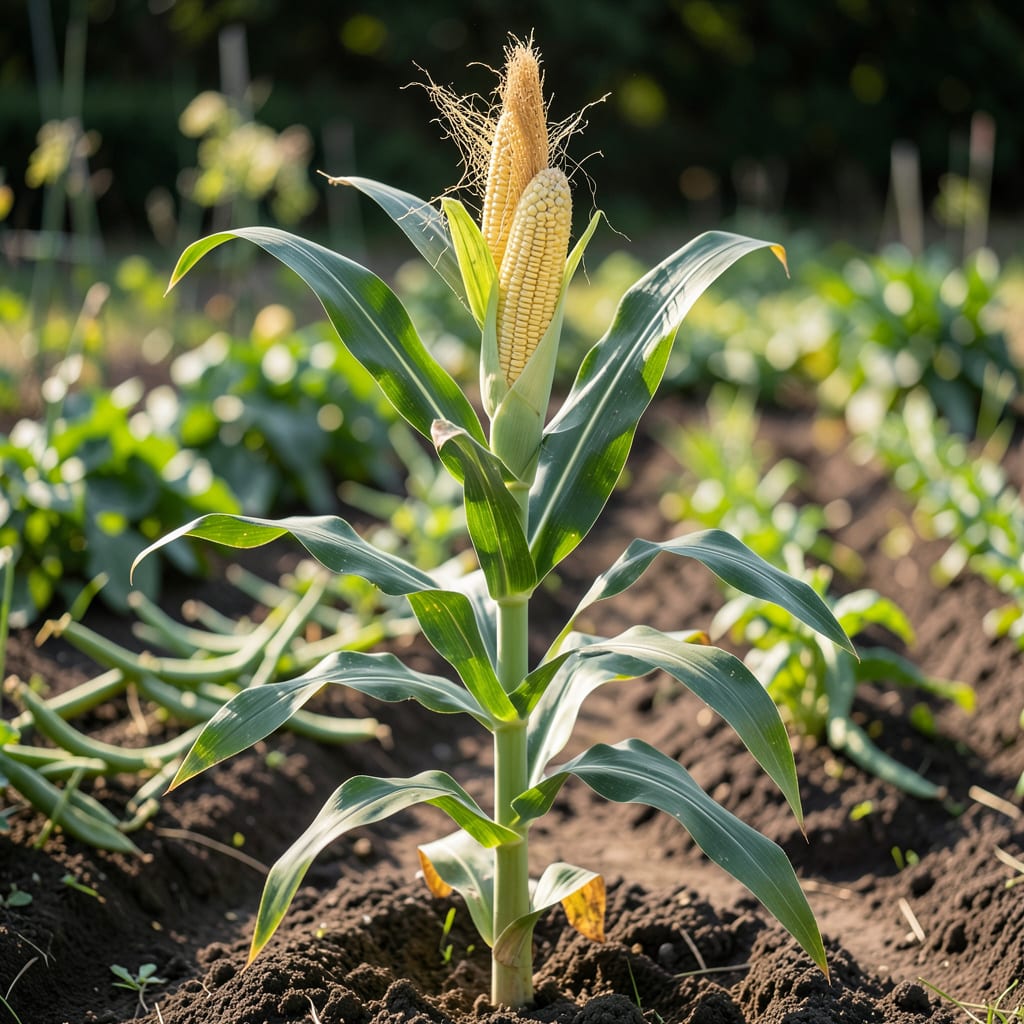
When we talk about corn plants, we’re usually referring to the popular houseplant (Dracaena fragrans), not the edible maize. This tropical beauty thrives in conditions that mimic its native understory habitat—think dappled sunlight filtering through taller trees. Getting the light right is the secret to those lush, arching leaves.
Unlike its edible cousin that demands full sun, your indoor corn plant prefers bright indirect light. Aim for 6-8 hours daily of gentle, filtered light. Too much direct sun can scorch those gorgeous leaves, while too little leaves your plant looking sad and stretched out. Let’s break down the perfect balance.
I’ve found that east-facing windows are absolute gold for corn plants. They get that gentle morning sun without the harsh afternoon rays. If you only have south or west windows, pull your plant back 3-5 feet from the glass or use a sheer curtain to diffuse the light.
Watch your plant like a hawk for the first few weeks in a new spot. Yellowing leaves often mean too much light, while long gaps between leaves (legginess) scream for more. In winter, you might need to move it closer to the window as daylight fades—just rotate it weekly for even growth.
Here’s a pro tip: If your corn plant’s leaves start curling inward, that’s its way of protecting itself from too much light. Move it back from the window immediately. Conversely, if the new leaves are smaller than old ones, it’s begging for more light—consider a grow light for 12 hours daily.
For those tricky low-light spaces, I swear by LED grow lights on a 12-hour timer. Place them 12-18 inches above your plant. The 6500K color temperature mimics daylight beautifully.
Outdoor corn plants (the edible kind) are a whole different story—they demand full sun (6-8+ hours daily). But for our indoor Dracaena friends, think bright but gentle. I like to say: “If you’d need sunglasses, your corn plant’s getting too much light!”
Seasonal changes throw a wrench in things. In summer, that west window might become a death ray by 3 PM. In winter, even a south window might not cut it. I keep a light meter app on my phone to check levels monthly—it’s a game-changer for adjusting placement before my plant starts protesting.
Last thing: Dust those leaves! A quick wipe with a damp cloth every month ensures your corn plant can soak up every bit of available light. Think of it like cleaning your sunglasses—everything looks brighter afterward. Your plant will thank you with faster growth and deeper green color.
Remember, the perfect light setup might take some tweaking. But once you nail it, you’ll be rewarded with a corn plant that grows 1-2 feet per year with those stunning, sword-like leaves. It’s all about observing and adjusting—just like any good relationship! 🌿
Getting the light right for your corn plant doesn’t require expensive tools—just a little observation and these three foolproof methods. I’ve used these tricks for years to keep my Dracaena fragrans thriving without guesswork. Let’s start with the easiest test you can do right now.
First, try the hand shadow test. On a sunny day, hold your hand about 12 inches above a white sheet of paper near your plant. If the shadow is crisp with defined edges, your plant’s getting direct sun. A soft, fuzzy shadow means bright indirect light—perfect for corn plants.
If your space lacks natural light, don’t panic—grow lights can save the day. I recommend a 10W LED bulb placed 12–18 inches above your plant for 12–14 hours/day. Timer plugs make this effortless! For south-facing windows, use sheer curtains to diffuse harsh afternoon sun.
Rotating your corn plant every 2–3 weeks ensures even growth. I mark my calendar to turn the pot 90 degrees—this prevents the “leaning toward light” look. In winter, move your plant closer to the window or add a reflective surface (like aluminum foil) behind it to maximize light.
Watch for seasonal shifts: your plant’s light needs change as the sun’s angle does. In summer, pull it back from windows to avoid leaf scorch. Come winter, that same spot might become too dim. I keep a small notebook to track adjustments—it’s a game-changer for consistency!
Remember, your corn plant’s leaves are its light meters. Dark green leaves with slow growth? It’s begging for more light. Pale or crispy edges? That’s a sunburn warning. With these simple tweaks, you’ll nail the perfect balance—and your plant will reward you with vibrant, healthy foliage year-round. ☀️
If you’ve ever noticed your corn plant looking a little sadder in winter or struggling with summer’s harsh rays, you’re not alone. Seasonal light shifts can throw even the most well-cared-for plants off balance. The key is understanding how to adjust light exposure as the sun’s angle and intensity change throughout the year.
Your Dracaena fragrans (the houseplant often called a corn plant) thrives in consistent bright indirect light, but what works in July might not cut it in January. In winter, shorter days and weaker sunlight mean your plant could become leggy or pale without intervention. Conversely, summer’s intense rays can scorch leaves if you’re not careful.
| Season | Light Challenge | Solution |
|---|---|---|
| Winter | Low light, short days | Move to south-facing window or add a grow light for 12-14 hours/day. |
| Spring/Fall | Variable light intensity | Rotate plant weekly for even growth; use sheer curtains to diffuse harsh afternoon sun. |
| Summer | Intense direct sun | Keep 3-4 feet from windows or use 30% shade cloth if outdoors. |
In winter months, I recommend supplementing with a full-spectrum LED grow light placed 12-18 inches above your plant. Set it on a timer for 12-14 hours daily to mimic longer summer days. If you notice yellowing lower leaves, it’s a sign your plant is stretching for more light—time to increase exposure.
Come summer, the danger shifts to too much light. Direct sunlight can bleach or burn your corn plant’s leaves, leaving brown, crispy patches. If your plant is near a west or south window, pull it back a few feet or use a light-filtering curtain. Outdoors, place it under dappled shade, like under a tree canopy.
Don’t forget to acclimate your plant gradually when moving it between seasons. A sudden shift from low winter light to bright spring sun can cause shock. Over 7-10 days, incrementally increase or decrease light exposure to help your corn plant adjust without stress. Watch for new growth—it’s the best sign you’ve nailed the balance!
While it can survive, it won’t thrive. Corn plants need bright indirect light for optimal growth. In low light, they become leggy with sparse foliage. If low light is unavoidable, supplement with a grow light for 12 hours daily.
East-facing windows are ideal, offering gentle morning sun. South windows work if you pull the plant back 3-5 feet or use sheer curtains. Avoid north windows unless supplemented with artificial light. Rotate the plant weekly for even growth.
Watch for brown, crispy edges or yellowing leaves. If leaves start curling inward, it’s protecting itself from excess light. Move it further from the window immediately. Direct sun for more than 1 hour can cause permanent damage.
In winter, move it closer to windows or add grow lights. During summer, protect from harsh afternoon rays with sheer curtains. Gradually acclimate your plant over 7-10 days when changing locations to prevent shock.
Yes! A 10W LED grow light placed 12-18 inches above the plant works well. Use a 6500K color temperature bulb and set it on a timer for 12-14 hours daily. This mimics natural daylight effectively.
