
Beautiful Plants For Your Interior
Beautiful Plants For Your Interior
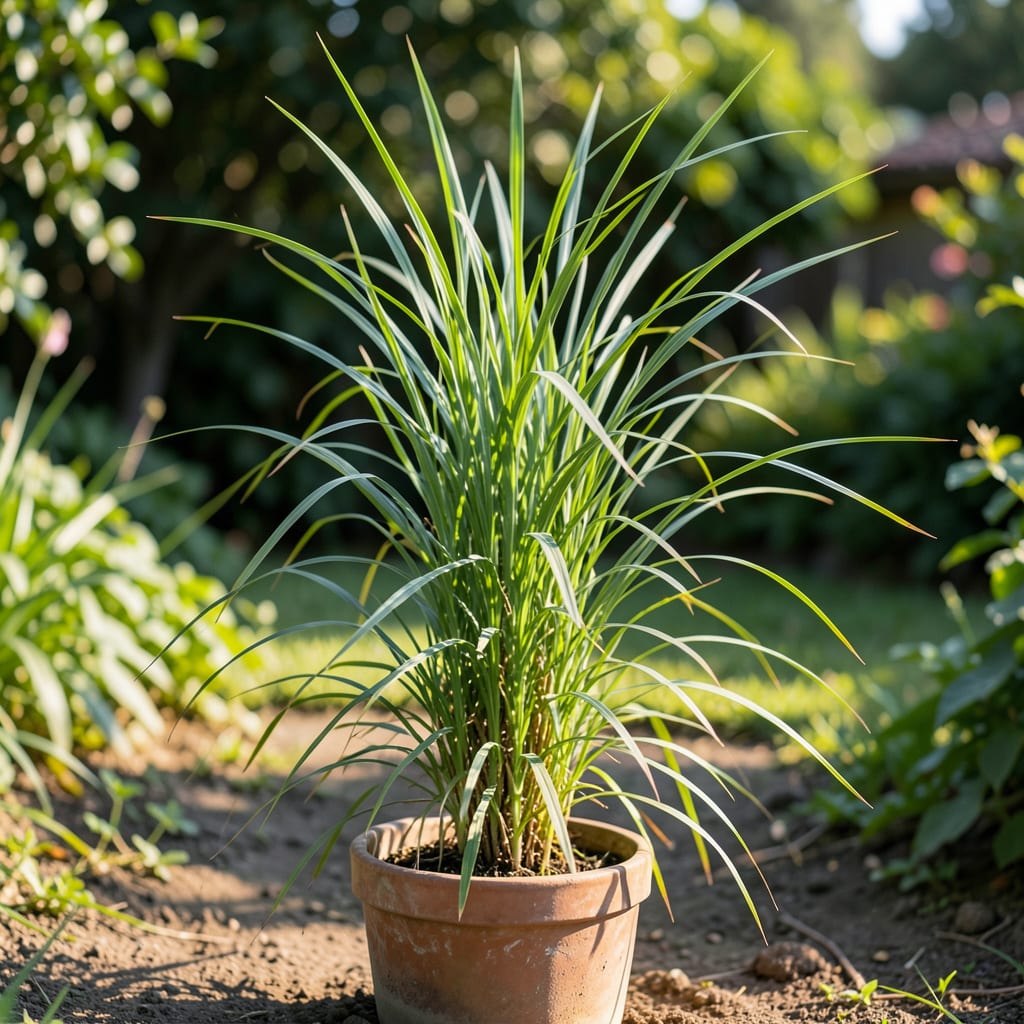
I still remember the first time I grew a Citronella plant 🌿 – its refreshing citrus scent was amazing, but I quickly learned that getting the light right was crucial. Too little light, and it struggled to thrive; too much, and it got scorched.
So, how much light does a Citronella plant actually need? In this guide, I’ll share the optimal lighting conditions for your Citronella plant to flourish, helping you avoid common mistakes and get the most out of your plant in zone 9b.

Citronella plants are known for their natural mosquito-repelling properties and refreshing citrus scent, making them a popular choice for gardens and outdoor spaces. However, their lighting needs are often misunderstood 🌿.
To thrive, Citronella plants require full sun to partial shade, with a minimum of 4-6 hours of direct sunlight per day. In ideal conditions, they can tolerate up to 8 hours of direct sunlight, but may require some shade during the hottest part of the day to prevent scorching 🔥.
The ideal light conditions for Citronella plants vary depending on the climate and region. In warmer climates, some afternoon shade can help prevent scorching, while in cooler climates, full sun is generally beneficial 🌞.
When growing Citronella plants indoors, it’s essential to provide them with supplemental lighting if necessary, to ensure they receive the required amount of light. A south-facing window or grow lights can be used to supplement natural light 💡.
To optimize light conditions for your Citronella plant, consider the following factors: light intensity, duration, and quality. By understanding these factors, you can create an ideal lighting environment for your plant to flourish 🌟.
Light intensity refers to the amount of light that the plant receives. Citronella plants prefer bright, indirect light, but can tolerate some direct sunlight. However, intense direct sunlight can cause leaf scorch and reduce plant growth ⚠️.
Light duration is also crucial, as Citronella plants require a minimum of 4-6 hours of direct sunlight per day. Providing the right amount of light will promote healthy growth and maximize oil production ⏰.
In addition to light intensity and duration, light quality also plays a role in Citronella plant growth. While Citronella plants can grow in a variety of lighting conditions, they tend to perform best in full sun to partial shade with a balanced spectrum 🌈.
By understanding the optimal light requirements for Citronella plants and providing the right conditions, you can enjoy a healthy and thriving plant with maximum oil production and a refreshing citrus scent 🌿.
In summary, Citronella plants require 4-6 hours of direct sunlight per day, with some shade during the hottest part of the day in warmer climates. By providing the right light conditions and understanding the factors that affect light, you can promote healthy growth and maximize oil production 🌟.
For more information on growing Citronella plants, including tips on watering, fertilization, and pest management, be sure to check out our other resources on Citronella plant care 📚.
Citronella plants require specific lighting conditions to thrive and produce their characteristic citronella oil. The amount and quality of light directly impact the plant’s growth rate, health, and oil production 🌿.
When Citronella plants receive adequate light, they exhibit healthy growth and maximum oil production. In contrast, insufficient light can lead to leggy growth and reduced plant vigor ⚠️.
Citronella plants need 4-6 hours of direct sunlight daily for optimal growth and oil production. Proper light conditions enhance the plant’s natural mosquito-repelling properties and overall health 🌟.
The intensity and duration of light are critical factors in Citronella plant growth. While they can tolerate some direct sunlight, intense light can cause leaf scorch and reduce growth ⏰.
In warmer climates, providing some afternoon shade can help prevent scorching, while in cooler climates, full sun is generally beneficial 🌞. Understanding these nuances helps in creating an ideal environment for your Citronella plant 🌿.
For indoor cultivation, supplemental lighting may be necessary to meet the plant’s light requirements. Using a south-facing window or grow lights can help achieve the necessary light conditions 💡.
By focusing on the right light conditions, you can promote healthy growth and maximize citronella oil production, ensuring your plant remains robust and effective 🌟.
To further enhance your Citronella plant’s health, consider exploring additional care tips on watering, fertilization, and pest management 📚.
Citronella plants require careful placement to receive the right amount of light, whether grown indoors or outdoors. Understanding the specific lighting needs in different environments is crucial for their health and productivity 🌿.
For outdoor cultivation, choose a location that receives full sun to partial shade. In warmer climates, providing some afternoon shade can prevent scorching, while in cooler climates, full sun is generally beneficial 🌞.
For indoor Citronella plants, use a south-facing window or grow lights to supplement natural light, ensuring they receive 4-6 hours of direct sunlight daily 💡.
When growing Citronella plants in containers, it’s easier to adjust their position to optimize light exposure. Move containers to brighter locations during the day and shadier spots during intense sunlight to prevent leaf scorch 🌟.
Indoor lighting conditions can be challenging, especially during winter months when natural light is limited. Consider using supplemental lighting such as LED grow lights to maintain the necessary light levels for your Citronella plant 🌟.
To ensure your Citronella plant thrives, monitor its response to the lighting conditions and adjust as necessary. Look for signs of leggy growth or leaf scorch, and make adjustments to provide the optimal light environment 🌱.
By following these tips and understanding the specific lighting needs of your Citronella plant, you can create an ideal environment that promotes healthy growth and maximum oil production 🌿.
For more detailed information on Citronella plant care, including watering, fertilization, and pest management, explore our additional resources to keep your plant thriving 📚.
Citronella plants thrive in full sun to partial shade, requiring a minimum of 4-6 hours of direct sunlight per day. In ideal conditions, they can tolerate up to 8 hours of direct sunlight. Proper light conditions enhance their natural mosquito-repelling properties and overall health .
No, Citronella plants cannot thrive in low light conditions. They require bright, indirect light or direct sunlight to promote healthy growth and maximize oil production. Low light can cause leggy growth and reduced plant vigor .
For indoor Citronella plants, use a south-facing window or grow lights to supplement natural light, ensuring they receive 4-6 hours of direct sunlight daily. This will help maintain the necessary light levels for healthy growth and oil production .
Yes, the climate affects the light requirements. In warmer climates, providing some afternoon shade can prevent scorching, while in cooler climates, full sun is generally beneficial. Understanding these nuances helps create an ideal environment for your Citronella plant .
