
Beautiful Plants For Your Interior
Beautiful Plants For Your Interior
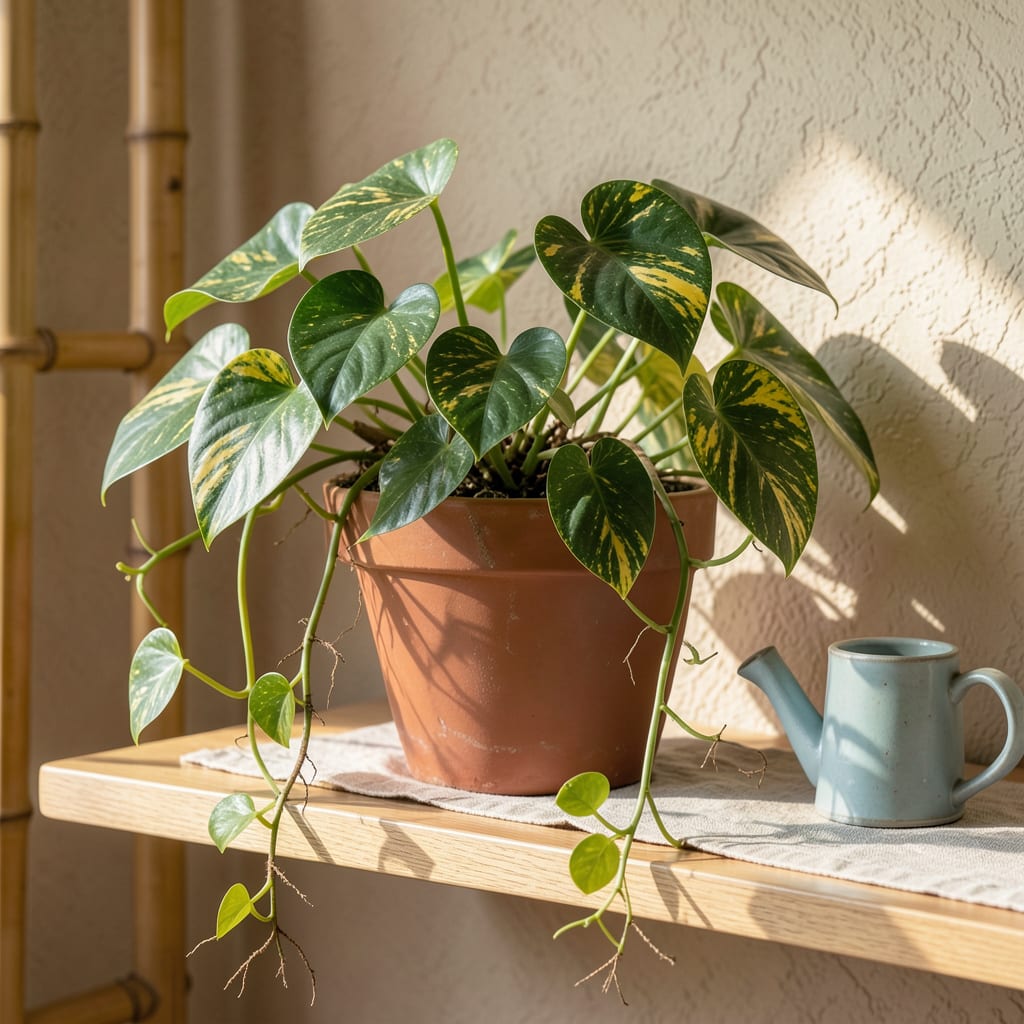
That perfect round leaf you love on your Chinese Money Plant? It’s begging for the right light. Too much sun and those coins crisp up; too little and they stretch like overworked taffy. The sweet spot? A bright but gentle glow—just like its native forest floor.
I’ve seen too many 🌿 Chinese Money Plants struggle in dim corners or sun-scorched sills. The fix is simpler than you think: mimic nature’s balance. Let’s break down exactly how to give your plant the light it craves—without the guesswork or sad, leggy stems.


If you’ve ever wondered why your Chinese Money Plant looks a little sad, the answer often boils down to light. This beauty thrives in bright indirect light, just like the dappled sunlight it gets in its native Chinese forests. Too much direct sun? Those gorgeous leaves will scorch. Too little? Expect leggy stems and dull foliage.
Think of it like Goldilocks: your Pilea peperomioides wants light that’s just right. Aim for 4-6 hours of gentle brightness daily. An east-facing window is perfect—soft morning sun without the harsh afternoon glare. North-facing works too, but you might need to supplement in winter.
| Condition | Specification |
|---|---|
| Ideal Light | Bright, indirect light |
| Direct Sun Tolerance | None (leaves scorch) |
| Low Light Tolerance | Short-term only (stunts growth) |
| Best Window | East or north-facing |
| Distance from Window | 3-5 feet (avoid glass contact) |
| Seasonal Adjustments | Move closer in winter, filter in summer |
Watch for leggy growth—if your Pilea starts stretching like it’s reaching for something, it’s begging for more light. Rotate the pot quarter-turn weekly so all sides get equal exposure. Uneven growth? That’s your plant’s way of saying, “Hey, the sun’s over there!”
In summer months, pull it back from south or west windows to avoid leaf burn. A sheer curtain can act like sunscreen. Come winter, you might need to move it closer to the window or add a grow light for 12-14 hours a day. I like to use a timer to keep it consistent.
If you’re stuck with low-light spaces, don’t panic. Your Pilea can survive, but it won’t thrive. Growth will slow, and leaves may lose their vibrant green. Try a full-spectrum LED grow light placed 12-18 inches above the plant. Even 6 hours daily can make a huge difference.
Here’s a pro tip: Observe the leaves. Dark green and firm? You’re nailing it. Yellowing or curling? Too much sun. Pale and spaced out? Not enough. Your plant will tell you what it needs—you just have to listen (or in this case, look).
Remember, consistency is key. Sudden changes—like moving from a dim corner to a sunny spot—can shock your plant. Make adjustments gradually over a week or two. And if you’re unsure, err on the side of less light. These plants are tougher in shade than in harsh sun.
Finally, don’t forget to dust those leaves! A quick wipe with a damp cloth every few weeks keeps them absorbing light efficiently. Think of it like cleaning your sunglasses—everything just works better when the lenses (or leaves) are clear.
With the right light, your Chinese Money Plant will reward you with fast growth, vibrant leaves, and maybe even baby pups to propagate. It’s all about finding that sweet spot—just like its native forest floor. ☀️🌿
Your Chinese Money Plant is a master at silent communication—if you know what to look for. When light levels drop below its bright indirect light sweet spot, it sends clear distress signals. The trick? Catching these early before your plant’s health takes a nosedive.
First up: leggy stems. If your Pilea starts resembling a lanky teenager instead of its usual compact self, it’s stretching toward any available light. This isn’t just an aesthetic issue—weak stems struggle to support those iconic coin-shaped leaves, leading to flopping or breakage.
Here’s the kicker: these symptoms often mimic overwatering. How to tell the difference? Check the soil. If it’s dry but your plant still looks sad, light is the culprit. If the soil’s soggy, you’ve got a watering issue. I always do the finger test—stick your finger 2 inches deep. Dry? Time to adjust light, not water.
Seeing yellow lower leaves? That’s your plant sacrificing older growth to fuel new leaves in a last-ditch effort to reach light. It’s like a tree dropping leaves in drought—except your Pilea’s “drought” is a light deficiency. Move it closer to that east-facing window stat, or add a grow light 12 inches above the plant.
If you’ve caught the problem early, a simple fix is to rotate your plant 90 degrees weekly and move it to a brighter spot. For severe cases (think stems longer than 6 inches), consider propagating the top and starting fresh. Trim the leggy stem just below a leaf node, pop it in water, and you’ll have a bushier plant in weeks.
Prevention is easier than cure. I place my Pilea 3-5 feet from an unobstructed east window and supplement with a 10W LED grow bulb in winter. A timer set for 12 hours daily keeps things consistent. Remember, these plants evolved under forest canopies—they want dappled light, not cave-like darkness or desert sun.
Final tip: Dust those leaves monthly with a damp microfiber cloth. Dust blocks up to 50% of light absorption, turning your plant’s solar panels into dirty windows. Pair this with your light adjustments, and you’ll see perked-up leaves in 2-3 weeks. Your Pilea’s comeback starts with you playing detective—and then sunshine hero. ☀️🪴
Not all of us have sun-drenched windowsills, and that’s okay! Your Chinese Money Plant can thrive under artificial lights too—if you choose the right setup. The key is mimicking that bright indirect light it craves in nature, without the harshness of direct sun.
I’ve tested both LED grow lights and fluorescent bulbs with my Pilea, and LEDs win every time. They’re energy-efficient, run cooler, and provide the full-spectrum light your plant needs for photosynthesis. Fluorescents work in a pinch, but they’re less efficient and can get bulky.
| Light Source | Ideal Duration | Distance from Plant | Best For |
|---|---|---|---|
| East Window | 6-8 hours | 3-5 feet away | Gentle morning sun |
| LED Grow Light | 12-14 hours | 12-18 inches above | Low-light homes, winter |
| Fluorescent Bulb | 14-16 hours | 6-12 inches above | Budget setup, small plants |
| North Window | All day (soft light) | Directly on sill | Consistent indirect light |
For LED setups, I recommend a 10W-20W full-spectrum bulb placed 12-18 inches above your plant. Use a timer to keep it on for 12-14 hours daily, mimicking natural daylight cycles. If you notice leaf burn, raise the light or reduce duration—your Pilea prefers gentler conditions.
In winter months, even south-facing windows can fall short. That’s when I bring out the grow lights. Position them directly above the plant to simulate overhead forest light. Rotate your Pilea weekly to prevent lopsided growth, just like you would with natural light.
Here’s a pro tip: If you’re using fluorescent lights, opt for cool white or daylight spectrum bulbs (6500K color temperature). They’re closer to natural sunlight and encourage compact growth. Avoid warm white bulbs—they’re too heavy on red spectrum, which can make your plant stretch unnaturally.
Remember, consistency matters more than intensity. A steady 12-hour light schedule with moderate brightness beats sporadic bright light. Your Chinese Money Plant will tell you if it’s happy—look for perky leaves, vibrant green color, and new growth every few weeks. ☀️🪴
Not long-term without help. While it can tolerate low light for weeks, it’ll eventually develop leggy stems and pale leaves. A full-spectrum LED grow light (12-14 hours daily) is essential for windowless spaces. Place it 12-18 inches above the plant for best results.
Yellowing leaves in bright conditions usually mean too much direct sun. Your plant’s getting sunburned! Move it back from the window or add a sheer curtain to filter harsh rays. Yellow leaves won’t recover, but new growth will adapt once you adjust the light.
Aim for a quarter-turn every week. This ensures even light exposure on all sides, preventing lopsided growth. If you notice the plant leaning toward the light source, increase rotation frequency to every 5 days until it straightens out.
Only if the window provides bright indirect light for 4+ hours daily. Bathrooms often have high humidity (which Pileas love) but low light. Monitor for stretched stems—if they appear, supplement with a small grow light or relocate the plant.
Up to a point! Bright indirect light (6-8 hours) promotes steady growth, but direct sun causes stress. Think Goldilocks: not too little, not too much. Pair ideal light with consistent watering, and you’ll see new leaves every 2-3 weeks in growing season.
