
Beautiful Plants For Your Interior
Beautiful Plants For Your Interior
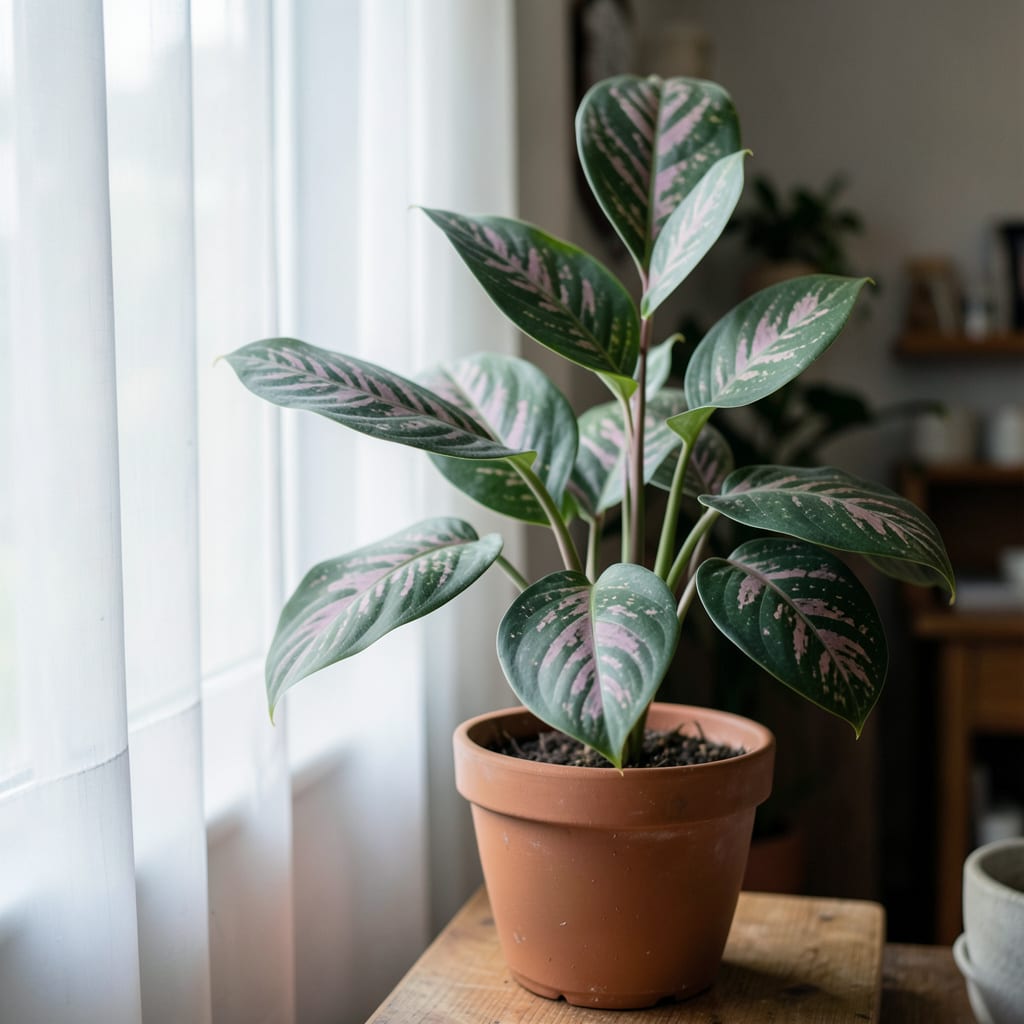
I’ve struggled with keeping my Calathea 🌿 thriving, and I know how tricky it can be. The key is understanding their light requirements – too little or too much can make all the difference in maintaining those beautiful leaves.
Let’s dive into what Calathea needs to flourish in your home, whether you’re in USDA Zone 6 or elsewhere. With the right lighting, you’ll be on your way to enjoying vibrant foliage all year round.
 Best Window Placement
I’ve found that Calathea plants are particularly sensitive to light conditions, and getting it right is crucial for their health. These beautiful plants thrive in bright, indirect light, making them perfect for homes with east or west-facing windows 🌿.
When it comes to light, Calathea plants are quite specific – they need bright indirect light to maintain their vibrant foliage. Direct sunlight can be too harsh and may cause the leaves to become scorched 🔥.
Calathea plants generally require 2-4 hours of bright, indirect light per day. This can be achieved by placing them near an east or west-facing window, where they can receive the right amount of filtered sunlight 🌞.
It’s also worth noting that Calathea plants can adapt to low light conditions, but their growth may be slower, and their colors may not be as vibrant. If you’re unsure about the light conditions in your home, you can always monitor your plant’s response and adjust its placement accordingly 📝.
In my experience, using a light meter can be helpful in determining the intensity of light in different parts of your home. This can be especially useful if you have limited natural light and are considering using artificial lighting 💡.
To summarize, Calathea plants need bright, indirect light to thrive. By understanding their light requirements and providing the right conditions, you can enjoy the beautiful foliage these plants are known for 🌿.
For more specific guidance on providing optimal lighting for your Calathea, including practical tips on placement and using artificial light, check out the next section.
By following these guidelines and being mindful of your Calathea’s light needs, you can create an ideal environment for your plant to flourish 🌟.
Remember, every home is different, so it’s essential to observe your plant’s response to its lighting conditions and make adjustments as needed 🔍.
With the right light, your Calathea will reward you with stunning foliage and a healthy, thriving presence in your home 🏠.
Now that we’ve explored Calathea’s light requirements, let’s dive into practical tips for providing the best lighting conditions. I’ve found that placing Calathea plants near east or west-facing windows works beautifully, as they receive gentle, indirect light throughout the day 🌞.
For homes with limited natural light, consider using LED grow lights to supplement your Calathea’s lighting needs. Position them 12-18 inches away for best results 💡.
When it comes to artificial lighting, LED grow lights are an excellent option. They provide the necessary spectrum for plant growth without generating too much heat 🔍.
To ensure your Calathea receives the right amount of light, you can also monitor its leaves. If they appear dull or washed out, it might need more light. Conversely, if the leaves are scorched, it’s likely receiving too much direct sunlight 🔥.
I recommend keeping a consistent lighting schedule for your Calathea. This can be achieved by maintaining the same placement and using timers for artificial lights if needed 🕰️.
Some other factors to consider when providing optimal lighting include seasonal changes and window treatments. During summer months, you may need to filter the sunlight more to prevent scorching, while in winter, you might need to provide additional light 🔄.
By following these practical tips and being mindful of your Calathea’s lighting needs, you can create an ideal environment for your plant to flourish 🌟.
For more information on common Calathea lighting problems and how to solve them, check out the next section.
I’ve encountered several common lighting issues with Calathea plants, and understanding how to address them can make a significant difference in their health and appearance. One of the most frequent problems is insufficient light, which can cause the leaves to lose their vibrant colors and become dull 🌿.
On the other hand, excessive light can be just as harmful, causing the leaves to become scorched and develop brown spots 🔥. To avoid these issues, it’s essential to find the right balance and provide your Calathea with the appropriate amount of light 🔍.
Another common issue is uneven lighting, which can cause the plant to lean towards the light source, resulting in an asymmetrical appearance 📐. Rotating the plant regularly can help maintain its shape and ensure even growth 🔄.
If you notice your Calathea developing leggy stems or pale leaves, it may be a sign that it’s not receiving enough light 🌟. In such cases, consider moving the plant to a brighter location or supplementing with artificial lighting 💡.
Conversely, if the leaves are scorched or developing brown spots, it’s likely a sign of too much direct sunlight ☀️. To address this, you can filter the sunlight using a sheer curtain or move the plant to a location with more indirect light 🌿.
By being aware of these common lighting problems and taking steps to address them, you can help your Calathea thrive and enjoy its beautiful foliage for years to come 🌸.
For more tips on caring for your Calathea, including advice on watering, temperature, and humidity, be sure to check out our other articles on Calathea care 📚.
East or west-facing windows are perfect for Calathea plants as they provide gentle, indirect light throughout the day. This direction helps maintain their vibrant foliage without causing leaf scorch.
No, Calathea plants are sensitive to direct sunlight, which can cause their leaves to become scorched. It’s best to provide them with bright, indirect light to keep them healthy and thriving.
Calathea plants generally require 2-4 hours of bright, indirect light per day. This can be achieved by placing them near an east or west-facing window. Adjust the placement based on your plant’s response.
Yes, you can use LED grow lights to supplement your Calathea’s lighting needs, especially in homes with limited natural light. Position them 12-18 inches away for best results.
