
Beautiful Plants For Your Interior
Beautiful Plants For Your Interior
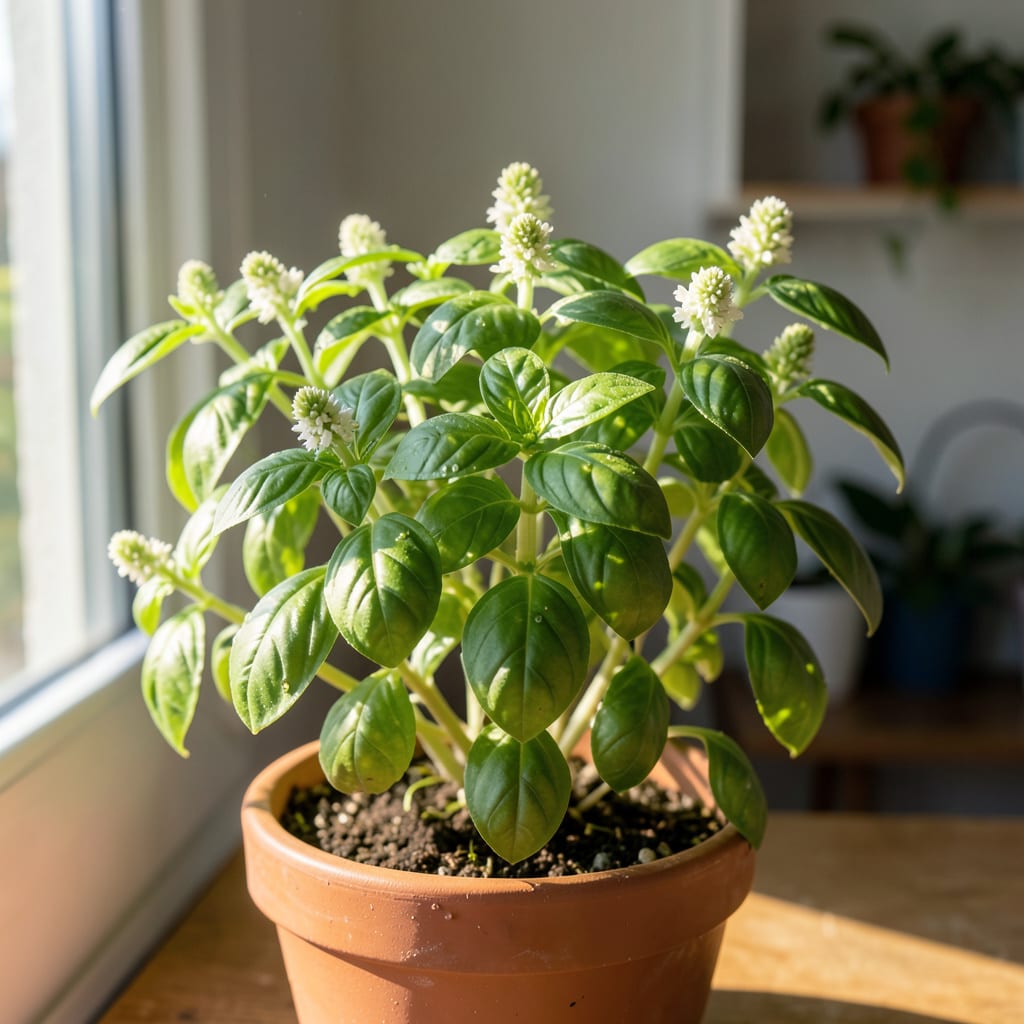
Growing Basil 🌿 successfully requires understanding its light needs. Too little light leads to weak, spindly growth, while too much can cause stress.
Let’s explore how to provide your Basil with the right amount of light for optimal growth and flavor. In this guide, we’ll cover the ideal light conditions and practical tips for keeping your Basil thriving in USDA Zone 6.

Basil plants require adequate sunlight to grow healthily and produce flavorful leaves. The amount of light a basil plant needs is crucial for its development and productivity 🌿.
In general, basil plants thrive in full sun conditions, which means they need at least 6 hours of direct sunlight per day. This is especially true for outdoor plants, where direct sunlight is more intense 🔥.
For indoor basil plants, it’s essential to place them near a south-facing window to maximize their exposure to natural light. If this isn’t possible, consider using grow lights to supplement the natural light 💡.
The quality of light is also important. Basil plants prefer direct sunlight over indirect light, as it promotes healthy growth and flavor development 🌞.
Too little light can lead to weak and spindly growth, while too much light can cause stress to the plant. Finding the right balance is key to growing healthy basil 🌿.
In USDA Zone 6, basil plants typically thrive during the summer months when sunlight is more abundant. Ensure your plants receive the recommended amount of light during this period to maximize their growth ☀️.
If you’re growing basil in a location with limited natural light, consider using supplemental lighting lighting options, such as LED grow lights, to ensure your basil plants receive the light they need to thrive 💻.
Understanding the specific light requirements of basil is crucial for its successful cultivation. By providing the right amount and quality of light, you can enjoy a bountiful harvest of fresh, flavorful basil leaves 🌿.
Key factors to consider when evaluating light conditions for basil include the duration of sunlight, the intensity of the light, and the direction of the sunlight 🌞.
By optimizing these factors, you can create an ideal environment for your basil plants to flourish and produce an abundance of delicious leaves 🍃.
To summarize, basil plants require full sun to partial shade and at least 6 hours of direct sunlight per day for optimal growth. Adjust your lighting conditions accordingly to ensure a healthy and productive basil plant 🌱.
To grow healthy basil, it’s crucial to understand how to optimize light conditions for your plants. Basil requires full sun to partial shade, meaning it needs at least 6 hours of direct sunlight daily 🌞.
For indoor plants, placing them near a south-facing window is ideal as it provides the most direct sunlight. If this isn’t possible, consider using grow lights to supplement natural light 💡.
For optimal growth, rotate your basil plants every few days to ensure even light distribution and prevent uneven growth 🔄.
When using grow lights, keep them 6-12 inches above the plants and adjust the duration according to the light’s intensity. Most basil plants require 12-16 hours of light per day when using artificial lighting ⏰.
Outdoor basil plants should be positioned in a location that receives full sun for most of the day. Be mindful of intense afternoon sun, which can cause leaf scorch in very hot climates 🌡️.
During seasonal changes, adjust your basil’s position to maximize natural light exposure. In winter months, consider moving plants to a brighter location or using supplemental lighting ❄️.
Monitoring your basil’s response to light is crucial. If it’s receiving too little light, it may become leggy and weak. Conversely, too much light can cause stress and leaf damage 🌿.
By understanding and adjusting to your basil’s light needs, you can ensure a healthy and productive plant that provides an abundance of fresh leaves for your culinary needs 🍃.
To achieve the best results, combine proper lighting with other good gardening practices, such as regular watering and fertilization. This holistic approach will help your basil thrive 🌟.
For more specific advice on growing basil in your area, consider consulting local gardening resources or experts who can provide guidance tailored to your climate and conditions 📚.
Basil plants can experience several light-related issues that affect their growth and productivity. Understanding these problems is crucial for maintaining healthy plants 🌿.
One common issue is leggy growth, which occurs when basil plants don’t receive enough light. This causes them to stretch towards the light source, resulting in weak and spindly stems 🌿.
If your basil is becoming leggy, consider moving it to a brighter location or supplementing with grow lights to prevent further stress 🔄.
On the other hand, too much light can also be detrimental. Basil plants exposed to intense sunlight for extended periods may suffer from leaf scorch, where leaves become discolored and damaged 🌡️.
To address light-related issues, it’s essential to monitor your basil’s response to its environment. Adjust the plant’s position or lighting conditions as needed to ensure optimal growth 🌞.
For indoor basil plants, using sheer curtains can help filter intense sunlight and prevent leaf scorch. For outdoor plants, providing partial shade during the hottest part of the day can be beneficial 🌻.
By being aware of these common light-related issues and taking corrective measures, you can help your basil plants thrive and enjoy a bountiful harvest 🌿.
Key signs to watch for include changes in leaf color, stem length, and overall plant vigor. Addressing these issues promptly will help maintain the health and productivity of your basil plants 🌱.
In summary, being mindful of your basil’s light requirements and adjusting its environment accordingly is crucial for preventing common light-related issues and ensuring a healthy harvest 🌟.
Basil plants require at least 6 hours of direct sunlight per day for optimal growth. In ideal conditions, they can thrive with 8 hours or more of direct sunlight.
Yes, you can grow basil indoors using grow lights. Keep the lights 6-12 inches above the plants and provide 12-16 hours of light per day for optimal growth.
If your basil is getting too little light, it may become leggy and weak. Too much light can cause leaf scorch, where leaves become discolored and damaged. Monitor your plant’s response and adjust its position accordingly.
Yes, using sheer curtains can help filter intense sunlight and prevent leaf scorch, especially for indoor basil plants receiving direct sunlight through south-facing windows.
