
Beautiful Plants For Your Interior
Beautiful Plants For Your Interior
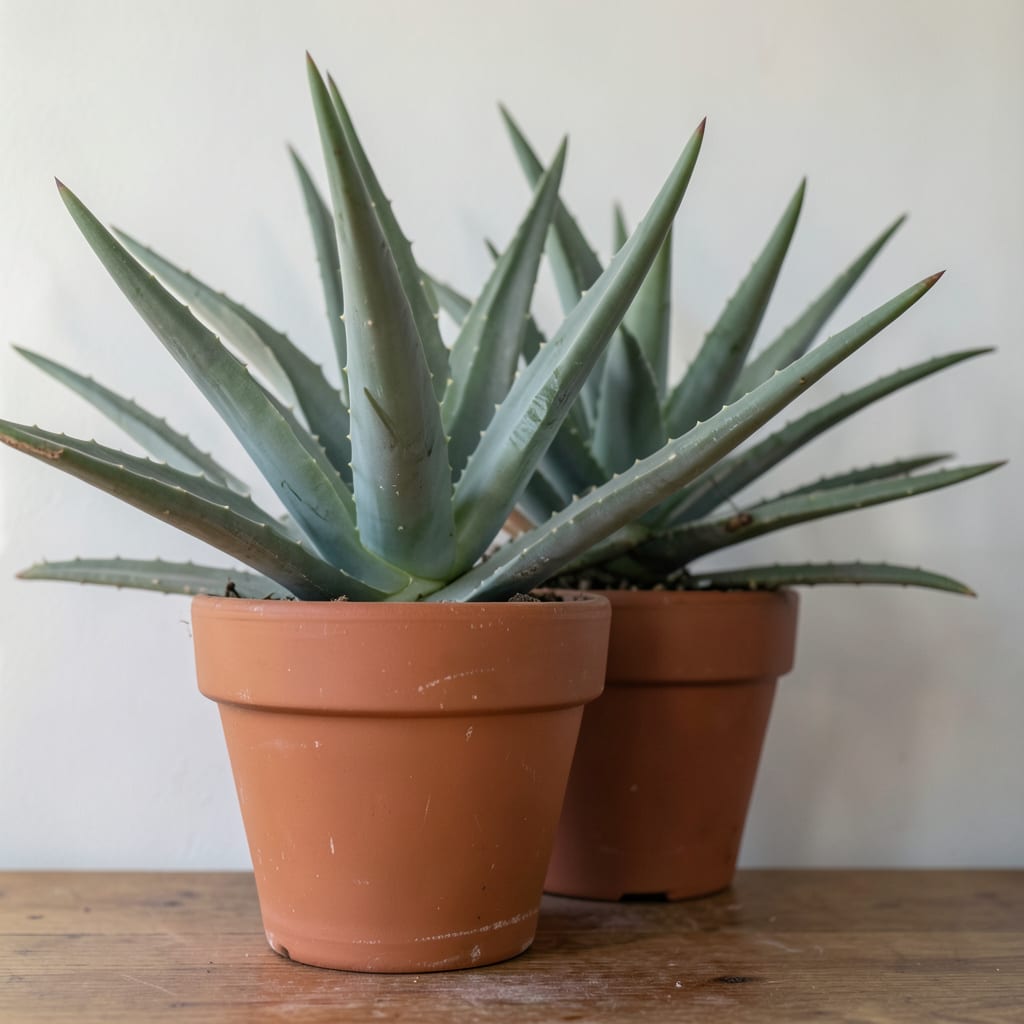
As I care for my Aloe Vera 🌵, I’ve learned that proper lighting is crucial for its health. Too little light can cause it to stretch, while too much can lead to burning.
Let’s explore the ideal lighting conditions for your Aloe Vera plant to thrive, whether you’re growing it indoors or outdoors in zone 6a.

Aloe vera plants are known for their healing properties and low-maintenance care, but getting their lighting right is crucial for their health and growth. Proper lighting ensures that your aloe vera plant remains healthy and thrives.
Aloe vera plants require bright, indirect light to photosynthesize and grow. However, they can tolerate some direct sunlight, especially during the morning or late afternoon. The key is to provide the right amount of light without causing damage to the plant 🌵.
The ideal lighting for aloe vera plants is bright, indirect light with some tolerance for direct morning or late afternoon sun. This balance helps maintain the plant’s health and promotes optimal growth 🌱.
When growing aloe vera indoors, it’s essential to place it near a south-facing window to maximize the available light. If you’re growing it outdoors, choose a location that receives partial shade during the hottest part of the day to prevent sunburn 🔥.
Too little light can cause aloe vera plants to become leggy and weak, while too much direct sunlight can lead to burning of the leaves. Monitoring the plant’s response to its lighting conditions is crucial for making necessary adjustments.
I recommend starting with a spot that receives morning sun and adjusting as needed based on the plant’s response. This approach helps prevent overexposure and ensures the aloe vera receives the right amount of light.
If you’re unsure about the lighting conditions, you can always observe your plant’s behavior. If it’s stretching towards the light or getting burned, it’s time to adjust its position.
For those using artificial lighting, ensure that the light is not too intense, as this can also cause damage. A fluorescent or LED grow light can be a good option for supplementing natural light, especially during the winter months when daylight hours are shorter 💡.
By understanding and providing the right lighting conditions, you can help your aloe vera plant thrive and enjoy its many benefits.
In summary, aloe vera plants need bright, indirect light with some tolerance for direct sun. Proper placement and monitoring are key to ensuring your plant remains healthy and grows well 🌿.
Providing the right amount of light for your Aloe Vera plant is crucial for its health and growth. Proper lighting ensures that your plant remains healthy and thrives in its environment 🌵.
Aloe vera plants require careful placement to receive the optimal amount of light. Whether you’re growing your aloe vera indoors or outdoors, understanding its lighting needs is essential for its well-being.
Place your Aloe Vera near a south-facing window for optimal light exposure. If you’re growing it outdoors, choose a location with partial shade during the hottest part of the day.
When growing aloe vera indoors, it’s essential to place it near a south-facing window to maximize the available light. This will help ensure that your plant receives the bright, indirect light it needs to thrive.
If you’re growing your aloe vera outdoors, choose a location that receives partial shade during the hottest part of the day to prevent sunburn. Morning sun is ideal, as it provides gentle, direct light that promotes healthy growth 🌞.
Artificial lighting can be used to supplement natural light, especially during the winter months when daylight hours are shorter. A fluorescent or LED grow light can be a good option for providing the necessary light for your aloe vera plant 💡.
Monitoring your plant’s response to its lighting conditions is crucial. If it’s stretching towards the light or getting burned, it’s time to adjust its position. By providing the right amount of light, you can help your aloe vera plant thrive and enjoy its many benefits 🌿.
In summary, providing the right amount of light for your Aloe Vera involves careful placement and monitoring. By following these tips, you can ensure your plant remains healthy and grows well 🌱.
When caring for Aloe Vera plants, it’s essential to avoid common lighting mistakes that can affect their health and growth 🌱.
One of the most significant errors is exposing aloe vera to direct sunlight for extended periods. While they can tolerate some direct sun, too much can cause sunburn and damage the leaves 🔥.
Avoid placing your Aloe Vera in low-light conditions for extended periods, as this can cause leggy growth and weak health.
Another mistake is not adjusting the plant’s position according to the seasonal changes in sunlight. During the summer months, aloe vera may require more shade to prevent overexposure 🌞.
I recommend rotating your aloe vera plant regularly to ensure even growth and prevent it from leaning towards the light source 🔄.
Insufficient light can also be detrimental, causing the plant to become leggy and weak. If you’re growing aloe vera indoors, ensure it’s placed near a bright window or consider using supplemental lighting 💡.
By being aware of these common lighting mistakes, you can take steps to prevent them and ensure your aloe vera plant remains healthy and thrives 🌿.
In summary, avoiding common lighting mistakes with aloe vera plants involves being mindful of direct sunlight exposure, seasonal changes, and insufficient light. By taking these factors into account, you can provide your plant with the right conditions to grow well 🌻.
Aloe vera plants thrive in bright, indirect light with some tolerance for direct morning or late afternoon sun. This balance helps maintain the plant’s health and promotes optimal growth.
Yes, aloe vera can tolerate some direct sunlight, especially during the morning or late afternoon. However, too much direct sunlight can cause sunburn and damage the leaves.
Place your aloe vera near a south-facing window to maximize the available light. If natural light is insufficient, consider using artificial lighting like fluorescent or LED grow lights.
If aloe vera plants don’t receive enough light, they may become leggy and weak. Ensure your plant is placed in a spot with bright, indirect light to prevent this.
