
Beautiful Plants For Your Interior
Beautiful Plants For Your Interior
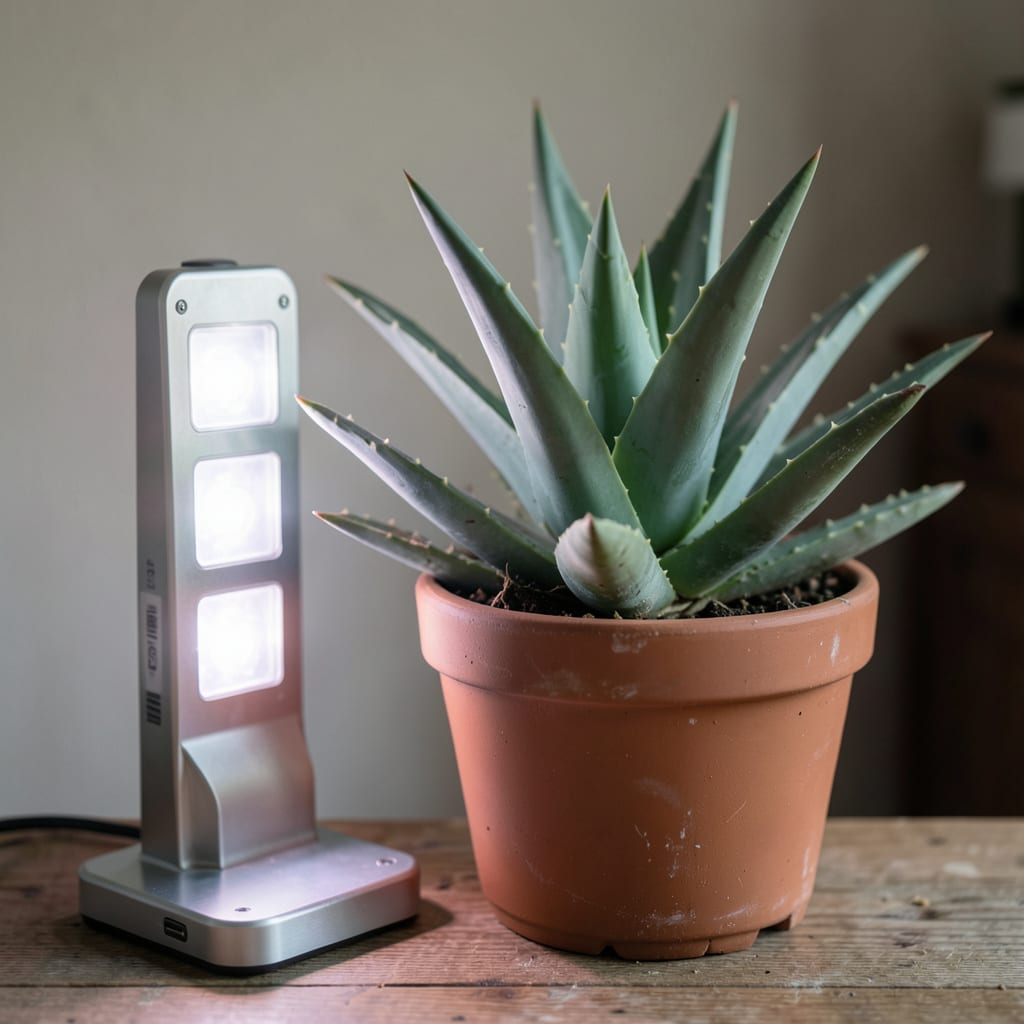
As a succulent enthusiast, I’ve learned that Aloe 🌵 plants are pretty low-maintenance, but they do have specific lighting needs. Too little light can cause them to stretch, while too much can lead to scorching.
So, what’s the sweet spot? Let’s dive into the ideal light conditions for your Aloe 🌵 to thrive, especially if you’re in USDA Zone 9b.

Aloe plants are succulents that have adapted to thrive in environments with specific light conditions. To keep your Aloe 🌵 healthy, it’s essential to understand its lighting needs. Generally, aloe plants require bright, indirect light to photosynthesize and grow properly.
The ideal light condition for aloe plants is 4-6 hours of indirect sunlight daily. This can be achieved by placing them near a south-facing window with shade or using a sheer curtain to filter direct sunlight. Direct sunlight can be too intense and may cause the leaves to become scorched 🌵.
Aloe plants can tolerate some direct sunlight, especially during the morning or late afternoon when the sun’s rays are less intense. However, prolonged exposure to direct sunlight can cause damage. If you notice your aloe plant’s leaves turning yellow or brown, it might be getting too much direct sunlight 🔥.
On the other hand, if your aloe plant is not receiving enough light, it may start to stretch or become leggy. This is a sign that it needs more light exposure 🌱.
To ensure your aloe plant gets the right amount of light, you can also consider using grow lights. These can be particularly useful during the winter months when natural light is scarce.
When positioning your aloe plant, keep in mind that it should be placed in a spot where it can receive consistent light throughout the day. Avoid placing it in areas with drafts or extreme temperature fluctuations.
In addition to light, other factors such as watering and fertilization play a crucial role in the overall health of your aloe plant.
By providing your aloe plant with the right amount of light and following proper care guidelines, you can enjoy its beautiful, fleshy leaves and potential medicinal benefits for years to come 🌿.
It’s also worth noting that aloe plants are relatively adaptable to different light conditions. However, optimal growth occurs when they receive the right balance of light and shade.
In summary, understanding and providing the appropriate lighting conditions is crucial for the health and well-being of your aloe plant. By following these guidelines, you can create an ideal environment for your plant to thrive.
Now that you understand the ideal light conditions for your Aloe 🌵 plant, let’s explore practical ways to provide the right amount of light. Proper placement is key to ensuring your plant receives the 4-6 hours of indirect sunlight it needs to thrive.
For optimal light exposure, place your aloe plant near a south-facing window with shade or use a sheer curtain to filter direct sunlight. Consider rotating the plant every few days to ensure even light distribution 🌱.
When placing your aloe plant indoors, choose a location that receives bright, indirect light. Avoid areas with direct sunlight, especially during peak hours, as this can cause the leaves to become scorched 🔥.
If you don’t have a suitable window, you can also use grow lights to supplement natural light. This is particularly useful during the winter months when daylight hours are shorter.
Outdoor placement is also an option, but be cautious of intense sunlight. If you live in a region with very hot summers, consider providing some shade for your aloe plant during the hottest part of the day 🌞.
To ensure your aloe plant gets consistent light throughout the day, avoid placing it in areas with drafts or extreme temperature fluctuations. This will help maintain a stable environment for your plant to grow.
By following these practical tips, you can provide your aloe plant with the right amount of light it needs to thrive and enjoy its beautiful, fleshy leaves for years to come 🌿.
Remember, aloe plants are relatively adaptable, but optimal growth occurs when they receive the right balance of light and shade. Keep an eye on your plant’s response to its lighting conditions and adjust as necessary.
In summary, providing the right amount of light for your aloe plant involves careful placement and consideration of its specific needs. By doing so, you’ll be well on your way to becoming an aloe care expert!
Understanding the signs of improper lighting is crucial for maintaining your Aloe 🌵 plant’s health. Both too much and too little light can cause noticeable changes in the plant’s appearance.
Watch for leaf discoloration, stretching, or scorching as indicators of improper lighting. Adjust your plant’s position accordingly to ensure optimal light exposure 🌱.
If your aloe plant is receiving too much light, you may notice its leaves turning yellow or brown. This is often a sign that the plant is getting scorched 🔥.
On the other hand, if your aloe plant is not getting enough light, it may start to stretch or become leggy. This is a clear indication that it needs more light exposure 🌿.
To adjust your aloe plant’s lighting, consider its current position and the time of day it’s receiving direct sunlight. If necessary, move it to a spot with more suitable light conditions or use sheer curtains to filter the sunlight.
By monitoring your aloe plant’s response to its lighting conditions and making adjustments as needed, you can ensure it receives the right amount of light to thrive.
Remember, aloe plants are relatively adaptable to different light conditions, but optimal growth occurs when they receive the right balance of light and shade.
In summary, keeping an eye out for signs of improper lighting and making necessary adjustments will help your aloe plant stay healthy and flourish 🌟.
Aloe plants can tolerate some direct sunlight, especially during morning or late afternoon when the sun’s rays are less intense. However, prolonged exposure to direct sunlight can cause damage and scorch the leaves .
Watch for signs like leaf discoloration, stretching, or scorching. If leaves turn yellow or brown, it’s likely getting too much light. If it becomes leggy or stretched, it needs more light exposure .
Yes, you can use grow lights to supplement natural light, especially during winter months when daylight hours are shorter. This helps maintain the 4-6 hours of bright, indirect light aloe plants need to thrive .
Rotating your aloe plant every few days ensures even light distribution and prevents uneven growth. This is especially important if it’s placed near a window with limited sunlight coming from one direction .
