
Beautiful Plants For Your Interior
Beautiful Plants For Your Interior
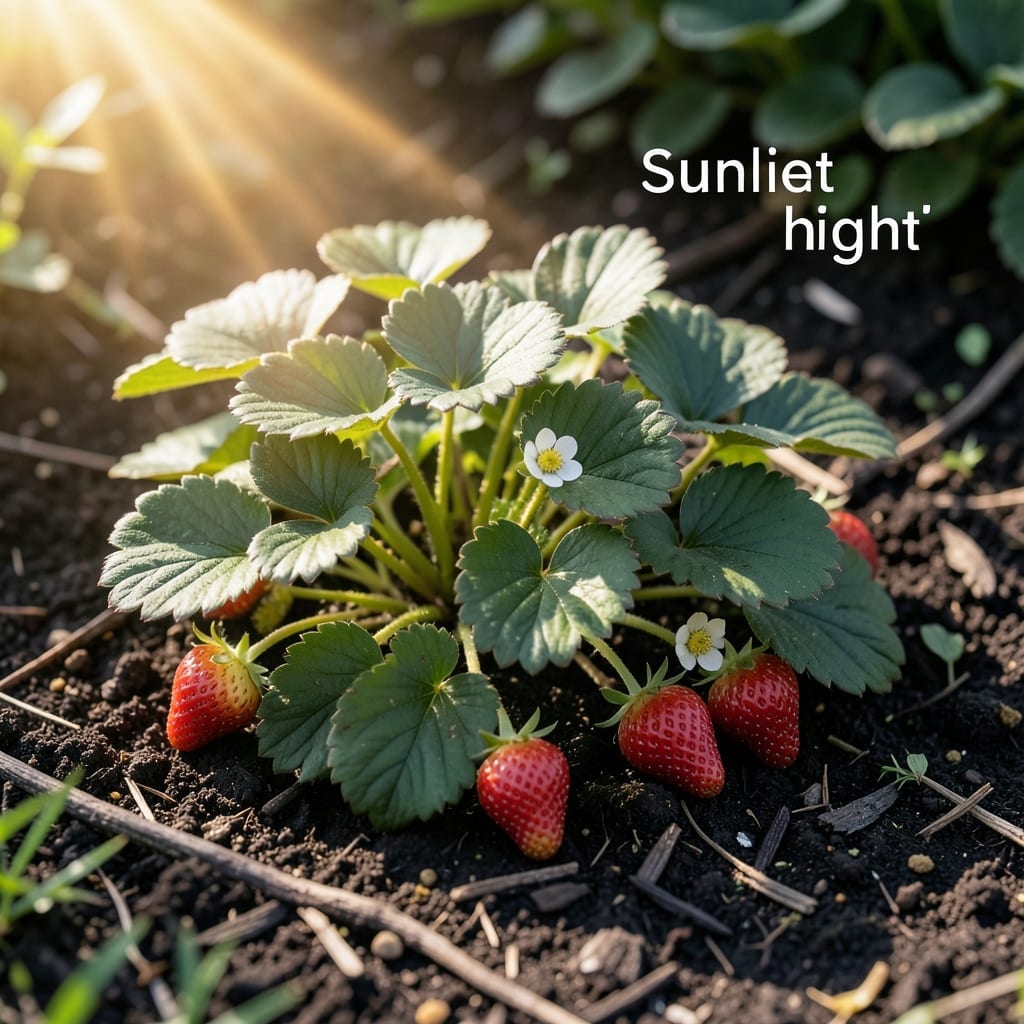
The secret to growing plump, sweet 🍓 Strawberry plants lies in one often-overlooked factor: sunlight. Get this wrong, and you’ll end up with small, sour berries—or worse, no harvest at all.
I’ve seen gardeners struggle for seasons, only to realize their plants weren’t getting enough light. Whether you’re working with a sunny backyard or a cozy windowsill, the right exposure makes all the difference.
Let me show you exactly how to give your Strawberry the ideal light it needs for a bountiful, sweet harvest. It’s simpler than you might think.

If you want sweet, juicy strawberries, sunlight is non-negotiable. Most varieties thrive with 6-10 hours of direct sun daily. I’ve tested this in my own garden, and the difference is night and day.
Without enough light, plants grow leggy and weak, producing fewer, smaller berries. Even partial shade can cut your harvest in half. Get the exposure right, and you’ll be rewarded with a bumper crop.
| Variety | Sunlight Needs | Key Notes |
|---|---|---|
| June-bearing | 8-10 hours | Largest fruit, needs most sun |
| Everbearing | 6-8 hours | Multiple harvests, flexible |
| Day-neutral | 6-8 hours | Continuous fruiting, shade-tolerant |
In my experience, June-bearing strawberries demand the most light. They’re the classic garden variety, producing one big harvest in early summer. If you’re short on sun, these aren’t your best bet.
Everbearing strawberries are more forgiving. They’ll produce 2-3 harvests per season with slightly less sunlight. I’ve grown them successfully in spots that get morning sun and afternoon shade.
Day-neutral strawberries are the most adaptable. They’ll fruit continuously as long as temperatures stay between 40-90°F. These are ideal for container gardening on balconies with limited sun.
If you’re in a hot climate, like USDA zones 8-9, afternoon shade can actually help. Too much intense sun can scorch the leaves and stress the plants. A little break from the heat keeps them productive.
For cooler climates (zones 4-6), maximize sunlight. Every extra hour helps the plants ripen fruit before the growing season ends. I’ve used reflective mulches to bounce extra light onto the plants.
Don’t forget indoor growers! If you’re using grow lights, aim for 12-14 hours of light daily. LED or fluorescent bulbs work best, placed 6-12 inches above the plants.
No matter your setup, monitor your plants. Healthy strawberries have deep green leaves and sturdy stems. If they look pale or stretched, they’re begging for more light.
With the right sunlight, you’ll see more flowers, bigger berries, and a longer harvest window. It’s the simplest way to boost your strawberry success ☀️🌱
Even with the best intentions, strawberry plants can struggle if they’re not getting enough light. I’ve seen this firsthand—pale leaves and weak stems are the first red flags your plants are starved for sunlight.
Another telltale sign is leggy growth, where stems stretch thin and tall as they reach for light. This often leads to fewer flowers and smaller berries, which defeats the purpose of growing them in the first place.
⚠️ Warning: Light Deficiency Ahead!
If your strawberries show yellowing leaves, sparse fruiting, or stunted growth, they need more light. Relocate containers or trim nearby plants to improve exposure.
In my garden, I noticed poor fruiting was a clear sign of insufficient light. The plants would flower, but the berries stayed small and tart. It wasn’t until I moved them to a sunnier spot that they thrived.
For container gardeners, the fix is simple: move pots to a sunnier location. A south-facing window or patio can work wonders. I’ve also used reflective mulches to bounce extra light onto the plants.
If you’re growing in the ground, consider thinning nearby plants or pruning overhanging branches. Even a few extra hours of light can make a big difference in berry size and sweetness.
Don’t overlook indoor setups either. If your plants are under grow lights, check the distance—too far away, and they’ll stretch. I keep mine 6-12 inches above the foliage for best results.
With these adjustments, you’ll see healthier plants and sweeter harvests. It’s amazing how quickly strawberries respond to better light conditions ☀️🌱