
Beautiful Plants For Your Interior
Beautiful Plants For Your Interior
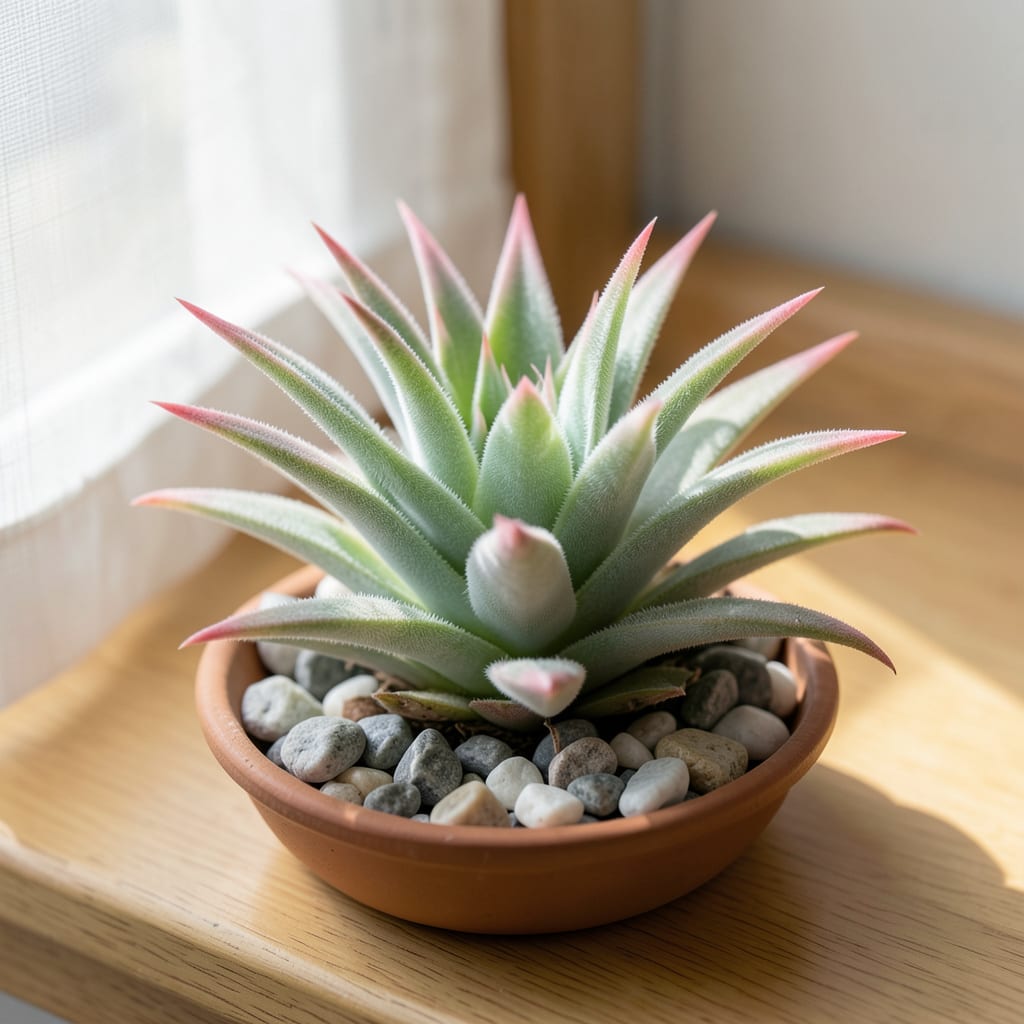
If you’ve ever watched your 🌿 Air Plant slowly lose its vibrant color or stretch awkwardly toward the nearest window, you know light is everything. These quirky Tillandsias don’t need soil, but they absolutely need the right amount of light to thrive.
Too much sun scorches their delicate leaves, while too little leaves them weak and struggling. I’ll show you exactly how to find that perfect balance—whether your plants live on a sunny windowsill or under artificial lights. Let’s get your Air Plants looking their best.

Air plants (Tillandsias) aren’t all created equal when it comes to light. Some varieties, like Tillandsia ionantha, thrive in bright indirect light, while others, such as Tillandsia xerographica, can handle more intense conditions. Understanding your specific plant’s needs is key to keeping it healthy.
Most air plants prefer 6-8 hours of bright, indirect light daily. However, some species have adapted to lower light conditions in their natural habitats. I’ve found that silver-leaved varieties typically need more light than their green-leaved cousins, which often prefer shadier spots.
| Variety | Light Needs | Ideal Placement |
|---|---|---|
| Tillandsia ionantha | Bright indirect light | East/west windows, 3-5 ft from south window |
| Tillandsia xerographica | Bright light, some direct sun | South window with sheer curtain, outdoor shade |
| Tillandsia caput-medusae | Medium to bright indirect | North window or 5-6 ft from east/west |
| Tillandsia aeranthos | Bright indirect, no direct sun | East window or under grow lights |
| Tillandsia stricta | Low to medium indirect | North window or office lighting |
The silver-foliaged varieties like xerographica and ionantha have developed specialized cells called trichomes that help them reflect excess sunlight. This adaptation allows them to thrive in brighter conditions than their green-leaved relatives.
For green-leaved air plants like Tillandsia cyanea, I recommend more protected spots. These plants often grow as understory plants in their natural habitats, receiving filtered light through tree canopies. Mimic this by placing them further from windows or in north-facing locations.
If you’re growing air plants under artificial lights, remember that different species have different needs. I’ve had great success with full-spectrum LED grow lights set to 12-14 hours daily. Keep bright-light species 6-12 inches from the light source, while low-light varieties can be placed slightly further away.
Seasonal changes affect light intensity too. In winter, I move my air plants closer to windows to compensate for weaker sunlight. During summer, I’m careful about south-facing windows that might become too intense, especially for sensitive varieties like Tillandsia aeranthos.
Watch for color changes in your air plants—they’re excellent indicators of light health. A vibrant pink or red blush often means your plant is getting ideal light and may be preparing to bloom. Pale or yellowing leaves usually signal too much light, while dark green or elongated growth suggests insufficient light.
Remember that air plants in bloom or pup production often need slightly more light than usual. I increase light exposure by about 20% during these active growth phases, but always gradually to avoid shocking the plant. With the right light balance, you’ll be rewarded with healthy growth and possibly stunning blooms! 🌸
If you’re unsure about your air plant’s specific needs, start with moderate bright indirect light and observe how it responds. Adjust gradually—these resilient plants will usually show you what they need through their leaf color and growth patterns. 🌿
Getting light right for your air plants depends entirely on where they live. Indoors, I always recommend east or west-facing windows for that perfect balance of gentle morning or afternoon sun. South-facing windows can work too, but you’ll need to filter the light with a sheer curtain.
Outdoors, air plants thrive in bright, indirect light—think under a tree canopy or on a covered patio. Direct sunlight, especially during peak afternoon hours, can scorch their leaves. I’ve found that morning sun is safest for most varieties, giving them energy without the risk of overheating.
If you’re using artificial lighting, I swear by LED grow lights set on a timer for 12-14 hours daily. Keep them 6-12 inches away from your plants. This mimics natural daylight cycles and works wonders for varieties like Tillandsia ionantha, which need consistent brightness.
Seasonal changes matter too! In winter, I move my air plants closer to windows or supplement with grow lights. Summer might require shifting them deeper into rooms to avoid intense afternoon sun. Watch how your plants respond—healthy air plants maintain vibrant colors and compact shapes.
For outdoor displays, try mounting air plants on driftwood or bark under partial shade. This protects them from harsh rays while letting them soak up humidity. Just
Pro tip: Rotate your air plants every few weeks to ensure all sides get equal light exposure. This prevents lopsided growth and keeps them looking full and symmetrical. With the right setup, you’ll see your Tillandsias reward you with vibrant colors and maybe even stunning blooms! 🌷
Your air plants will always tell you when their light conditions aren’t quite right—if you know what to look for. I’ve learned that these resilient Tillandsias give clear visual clues when they’re struggling with too much or too little light. The key is catching these signs early before they affect your plant’s health.
One of the most obvious indicators is leaf color changes. Healthy air plants maintain vibrant greens, silvers, or purples depending on the variety. When these colors start fading or intensifying in odd ways, it’s time to reassess your lighting setup. I always check my plants weekly for these subtle changes.
The most common issue I see is etiolation—when air plants stretch unnaturally toward a light source. This happens when they’re not getting enough brightness and are literally reaching for more. If you notice your Tillandsia growing taller with wider gaps between leaves, it needs better light placement immediately.
For plants getting too much light, watch for crispy brown tips or patches on leaves. This sunburn effect is especially common with south-facing windows during summer. I’ve found that even tough varieties like Tillandsia xerographica can scorch if exposed to intense afternoon sun without protection.
Don’t overlook growth patterns either. Healthy air plants grow compactly with leaves close together. If yours starts looking sparse or leggy, it’s begging for more light. Conversely, if leaves begin curling inward or developing unusual spots, you might be overdoing the sunlight. Adjust gradually—these plants adapt best to slow changes in their environment. 🌿
Some varieties can tolerate low light, but most will struggle long-term. Tillandsia stricta and cyanea adapt best to dimmer spaces like offices. For other types, supplement with 12-14 hours of artificial grow light to prevent weak, leggy growth.
Watch for brown, crispy leaf tips or bleached white patches—these are classic sunburn signs. Silver varieties like xerographica can handle more light, but even they need protection from intense afternoon sun. Move plants back from windows or add a sheer curtain.
They follow natural day/night cycles like all plants. Aim for 8-10 hours of darkness daily. If using grow lights, put them on a timer to mimic natural light patterns—this rest period is crucial for their metabolic processes.
Regular LEDs work in a pinch, but they lack the full light spectrum plants need. For best results, use full-spectrum LED grow bulbs (5000-6500K color temperature). Place plants 6-12 inches from the light source for optimal growth.
This color change is often a good sign! Many varieties develop vibrant hues when getting ideal light and preparing to bloom. However, if the color looks dull or patchy, it might indicate stress—adjust light levels gradually and monitor changes.
