
Beautiful Plants For Your Interior
Beautiful Plants For Your Interior
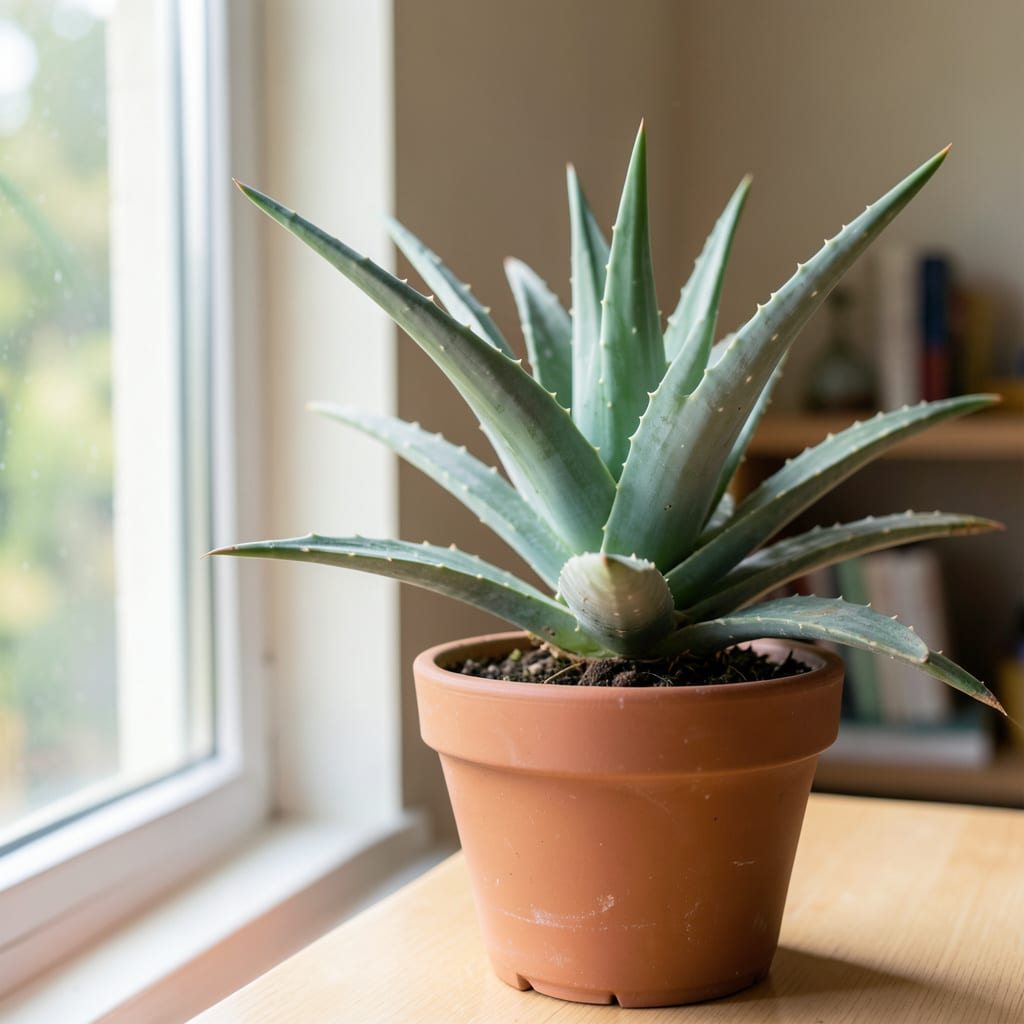
Aloe vera plants 🌵 are known for their low-maintenance requirements, but light is one crucial factor that can make or break their health and growth. I’ve found that providing the right amount of light is essential for these succulents to thrive.
In my experience, understanding how much light your aloe vera needs can be the difference between a healthy plant and one that’s struggling. Let’s explore the optimal lighting conditions for your aloe vera plant in different environments.


Aloe vera plants are known for their adaptability to various light conditions, but they still have specific needs for optimal growth. I’ve found that understanding these requirements is crucial for maintaining healthy plants 🌵.
The ideal light for aloe vera plants is bright indirect light, which typically means 4-6 hours of indirect sunlight per day. This can be achieved by placing them near a south or east-facing window. Direct sunlight can be too intense and may cause leaf scorching, especially during peak hours.
Aloe vera plants can tolerate some direct sunlight, especially during the morning or late afternoon. However, it’s essential to avoid intense midday sun, which can cause damage to the leaves. If you’re growing your aloe vera outdoors, consider providing some afternoon shade to protect them from intense sunlight.
One of the key factors in determining the right amount of light for your aloe vera is understanding the difference between direct and indirect sunlight. Direct sunlight is intense and can be harsh on the plants, while indirect sunlight provides a gentler, more sustainable light source.
Seasonal variations also play a significant role in the lighting needs of aloe vera plants. During the summer months, when the sun is stronger, it’s essential to provide more shade or adjust the plant’s position to avoid excessive light exposure. In contrast, during the winter months, when the sun is weaker, aloe vera plants may require more direct sunlight to maintain their health.
In addition to natural light, you can also use grow lights to supplement the lighting needs of your aloe vera plants. These lights can be especially useful during the winter months or in low-light environments. When using grow lights, ensure they are not too intense, as this can cause similar damage to direct sunlight.
To ensure your aloe vera plant is receiving the right amount of light, monitor its condition regularly. If the leaves become leggy or stretched, it may be a sign that the plant is not receiving enough light. On the other hand, if the leaves become discolored or scorched, it may be receiving too much light.
By understanding and providing the ideal light conditions for your aloe vera plant, you can promote healthy growth and maintain its medicinal properties. Remember, the key is to provide bright, indirect light that mimics the plant’s natural habitat.
In my experience, adjusting the lighting conditions for aloe vera plants can make a significant difference in their overall health and appearance. By following these guidelines and being mindful of the plant’s needs, you can enjoy a thriving and resilient aloe vera plant 🌵.
Aloe vera plants are sensitive to light conditions, and both excessive and insufficient light can cause problems. I’ve seen many plants suffer from improper lighting, so it’s essential to understand the signs of too much or too little light 🌵.
When aloe vera plants receive too little light, they may become leggy or stretched, with leaves that are more spaced out than usual. This is because the plant is trying to reach for the light source. On the other hand, too much light can cause leaf scorching, where the leaves become discolored, brown, or develop sunburn spots.
If your aloe vera shows discoloration, wilting, or slow growth, it may be getting too much or too little light. Adjust its position accordingly to prevent damage.
To adjust the lighting conditions for your aloe vera, start by observing the plant’s response to its current environment. If it’s receiving too little light, consider moving it to a brighter location or supplementing with grow lights. If it’s receiving too much light, provide some afternoon shade or move it to a spot with filtered sunlight.
It’s also important to note that aloe vera plants have different lighting needs during different seasons. During the summer months, when the sun is stronger, they may require more shade, while during the winter months, they may need more direct sunlight.
By being mindful of these factors and adjusting the lighting conditions accordingly, you can help your aloe vera plant thrive and maintain its health and medicinal properties.
In my experience, finding the right balance of light for aloe vera plants can take some trial and error. However, with careful observation and adjustments, you can create an optimal environment for your plant to flourish 🌟.
Remember, the key to healthy aloe vera is providing the right amount of light. By understanding the signs of too much or too little light and making adjustments as needed, you can enjoy a thriving and resilient aloe vera plant.
To optimize light conditions for your aloe vera plant, it’s essential to understand how to position it correctly and use supplemental lighting when necessary. I’ve found that proper positioning can make a significant difference in the plant’s overall health 🌵.
First, consider the window orientation when placing your aloe vera. A south or east-facing window is ideal as it provides bright, indirect light. If you only have a west-facing window, be cautious of the intense afternoon sun, which can cause leaf scorching.
Rotate your aloe vera plant every 1-2 weeks to ensure even light distribution and prevent leaning.
Consider using LED grow lights during winter months or in low-light environments to supplement natural light.
Keep an eye on your plant’s response to light and adjust its position as needed to prevent scorching or stretching.
In addition to proper positioning and supplemental lighting, it’s crucial to monitor your plant’s response to light. If you notice any signs of too much or too little light, such as discoloration or leggy growth, adjust its position accordingly.
By following these tips and being mindful of your aloe vera’s lighting needs, you can create an optimal environment for it to thrive. Remember, the key is to provide bright, indirect light that mimics the plant’s natural habitat 🌟.
In my experience, optimizing light conditions for aloe vera plants can make a significant difference in their overall health and appearance. By understanding and providing the right amount of light, you can enjoy a thriving and resilient aloe vera plant 🌵.
Aloe vera plants need 4-6 hours of bright, indirect light daily. This can be achieved by placing them near a south or east-facing window. Too little light can cause stretching, while too much can cause scorching .
Aloe vera can tolerate some direct sunlight, especially during morning or late afternoon. However, intense midday sun should be avoided as it can cause leaf scorching. Consider providing afternoon shade if growing outdoors .
Too little light causes leggy or stretched leaves, while too much light results in discolored or scorched leaves. Monitor your plant’s condition and adjust its position accordingly to maintain optimal health .
Yes, LED grow lights can supplement natural light, especially during winter or in low-light environments. Keep them at a safe distance to avoid burning the leaves, and adjust according to the plant’s response to the light .
