
Beautiful Plants For Your Interior
Beautiful Plants For Your Interior
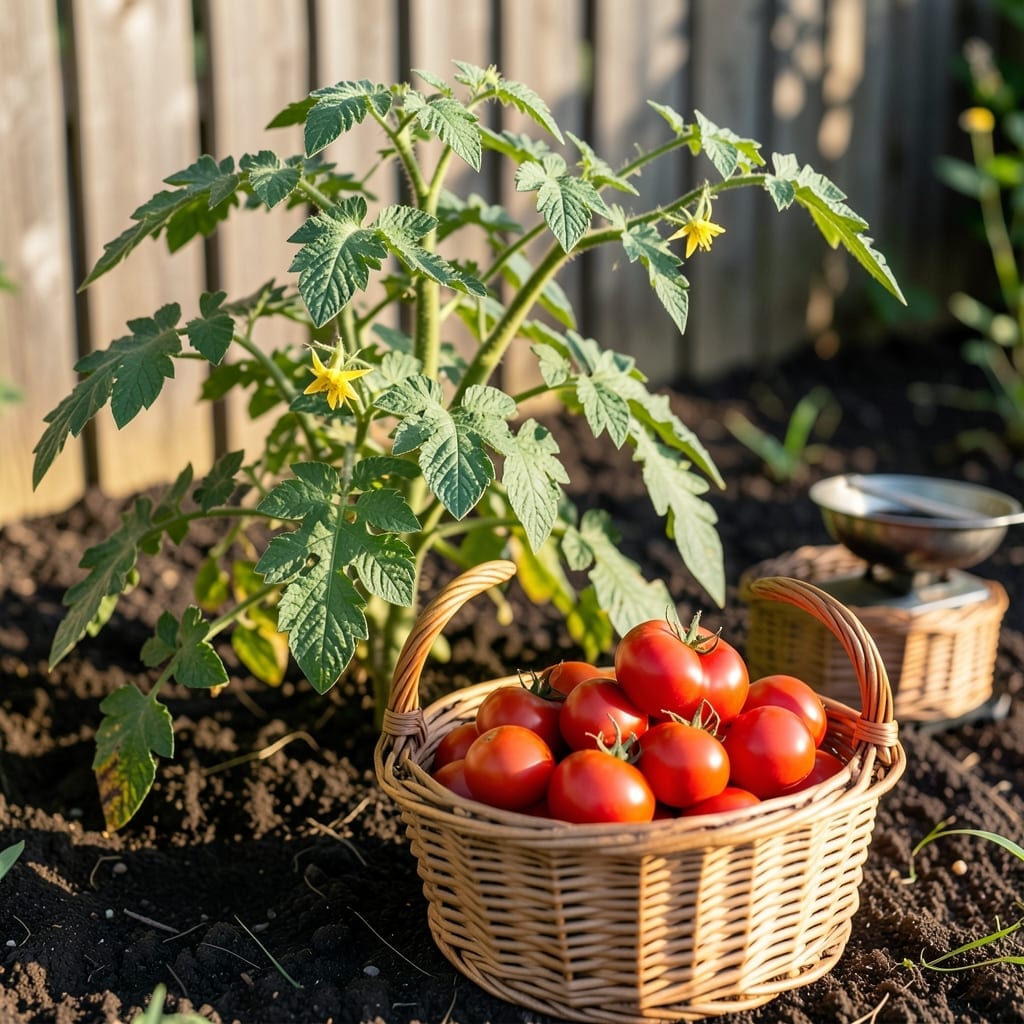
Whether you’re a home gardener tracking your harvest or a chef perfecting a recipe, knowing the average weight of 🍅 Tomato by variety can make all the difference.
From tiny cherry tomatoes to beefsteak giants, each type has its own typical weight range. Understanding these differences helps you plan your garden and kitchen projects with more precision.
I’ll walk you through the typical sizes you can expect, why they vary, and how to estimate weight without a scale. Let’s discover the details together.
If you’re growing tomatoes in your garden, you’ve probably noticed how much they can vary in size. From the tiniest cherry tomatoes to the heaviest beefsteaks, each variety has its own typical weight range.
Understanding these differences helps me plan my garden layout and estimate harvest yields. It’s fascinating how genetics play such a big role in determining the final size of each tomato variety.
| Variety | Average Weight | Notes |
|---|---|---|
| Cherry | 10-15g (0.35-0.53oz) | Tiny and sweet |
| Grape | 15-20g (0.53-0.71oz) | Oval shape, meaty |
| Plum/Roma | 50-60g (1.76-2.12oz) | Low moisture, paste type |
| Standard | 120-150g (4.23-5.29oz) | Classic slicing size |
| Beefsteak | 250-500g (8.82-17.64oz) | Large, meaty slices |
I always find it helpful to compare tomato weights when selecting varieties for my garden. The cherry tomatoes are perfect for snacking, while beefsteak varieties give me those impressive slices for sandwiches.
The Roma tomatoes are my go-to for sauces because their meaty texture and lower water content make them ideal. Their 50-60g size is just right for processing.
For container gardening, I prefer the smaller varieties like grape tomatoes. They produce abundantly in pots and their 15-20g fruits are perfect for salads.
I’ve noticed that standard slicing tomatoes typically weigh between 120-150g. These are the ones I reach for most often as they’re versatile for many uses.
The beefsteak tomatoes are the heavyweights of my garden. Some can reach 500g or more, which is why they need strong plant supports.
When planning my garden, I consider both the weight and yield of each variety. The smaller types often produce more fruits per plant, while the larger ones give fewer but bigger tomatoes.
I also pay attention to the growing conditions as they can affect the final weight. Consistent watering and good soil fertility help my tomatoes reach their full size potential.
Remember that these are average weights – your actual harvest may vary based on your specific growing conditions and care practices.
Ever wonder why your tomato plants produce fruits of different sizes? I’ve found that several key factors influence how much each tomato weighs at harvest time. It’s not just about the variety you choose.
The most obvious factor is genetics. Different tomato varieties are bred to produce specific sizes, from tiny cherry tomatoes to massive beefsteaks. But even within the same variety, weights can vary.
In my garden, I’ve noticed that watering practices make a huge difference. Inconsistent watering can lead to blossom end rot or cracked fruits, both of which affect the final weight.
The soil quality is another crucial factor. I always amend my soil with compost before planting. This provides the nutrients my tomatoes need to reach their full potential size.
Sunlight is non-negotiable for big tomatoes. I make sure my plants get at least 6-8 hours of direct sunlight daily. Without enough light, tomatoes stay small and may not ripen properly.
I also pay attention to pruning and plant spacing. Removing suckers helps the plant focus its energy on fruit production. And proper spacing prevents disease while allowing each plant enough room to grow.
Remember that weather conditions can also play a role. A particularly hot or cool season might result in slightly smaller or larger fruits than usual.
🌱