
Beautiful Plants For Your Interior
Beautiful Plants For Your Interior
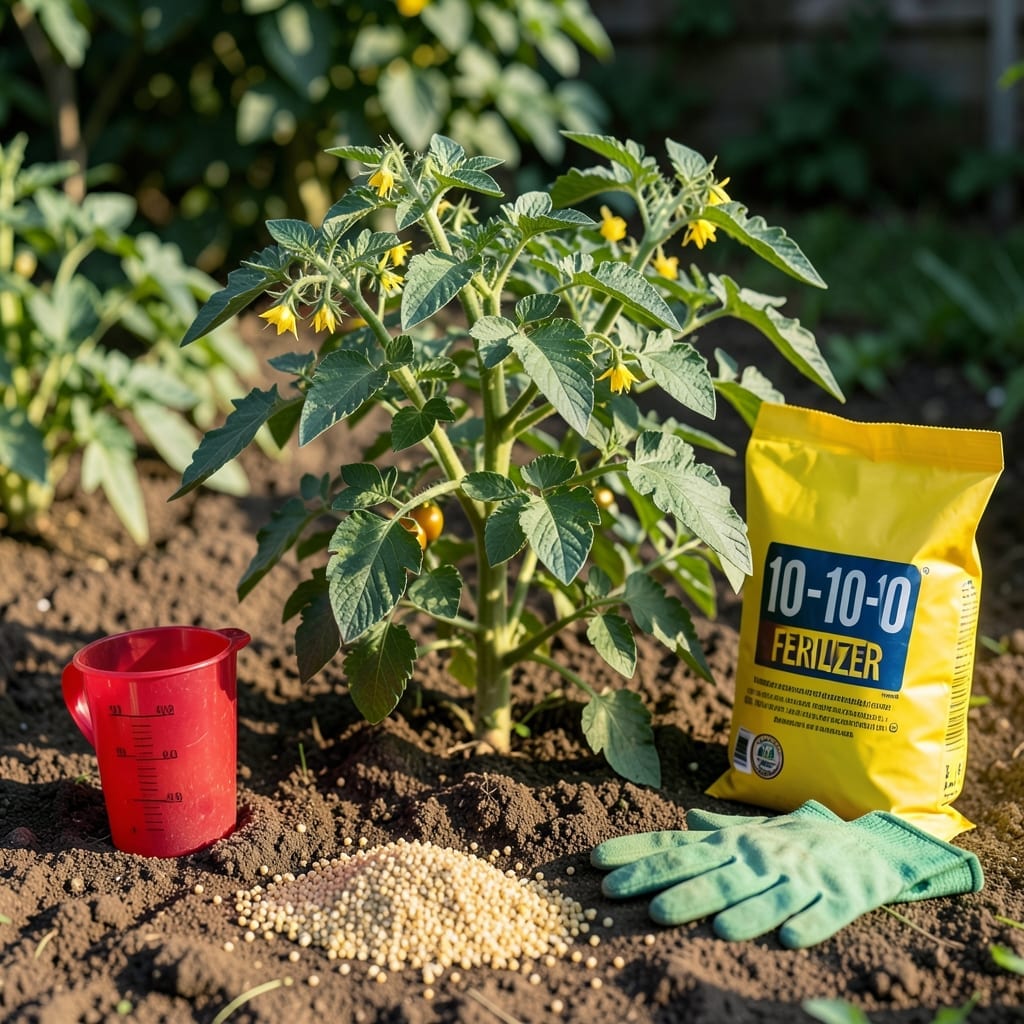
Using the right amount of 10-10-10 fertilizer can make or break your garden’s success. Apply too little, and your 🌱 General Plant may struggle; use too much, and you risk burning roots.
This balanced fertilizer works well for most plants, but precision matters. Whether you’re growing vegetables or flowers, getting the dosage right ensures healthy growth without waste.
Discover the exact amounts your plants need and learn how to apply it safely for the best results this season.
Getting the 10-10-10 fertilizer dosage right is key for thriving plants. This balanced formula works for most garden varieties, but each plant type needs a specific amount to avoid under or over-feeding.
I’ve found that vegetables and flowers often need less than shrubs or trees. The NPK ratio of 10-10-10 means equal parts nitrogen, phosphorus, and potassium for steady growth.
| Plant Type | Amount per Plant | Frequency |
|---|---|---|
| Vegetables | 1-2 tbsp | Every 4-6 weeks |
| Flowers | 1 tbsp | Every 4 weeks |
| Shrubs | 2-3 tbsp | Every 6-8 weeks |
| Trees | 1/2 cup | Every 8-10 weeks |
For vegetable gardens, I recommend 1-2 tbsp per plant every month. This keeps tomatoes and peppers producing without overwhelming their roots.
Flowering plants like roses or marigolds do best with 1 tbsp every four weeks. This encourages blooms without sacrificing foliage health.
Shrubs such as hydrangeas need 2-3 tbsp every six to eight weeks. Their larger root systems can handle a bit more fertilizer at once.
For mature trees, I use 1/2 cup spread around the drip line every two to three months. This supports their extensive root networks.
Always water deeply after applying to help nutrients reach the roots. This prevents fertilizer burn and ensures even distribution in the soil.
If you’re unsure, start with the lower end of the range. You can always add more later, but over-fertilizing is harder to correct.
Remember, these are general guidelines. Always check plant-specific needs and adjust based on your soil’s condition and local climate.
🌱Applying 10-10-10 fertilizer correctly ensures your plants get the nutrients they need without harm. I always start by testing my soil to understand its current nutrient levels.
This helps me determine if I need to adjust the fertilizer amount or frequency. The best times to apply are early morning or late evening to prevent heat stress.
Before applying, I water my plants thoroughly. This prevents the roots from absorbing too much fertilizer at once, which can cause burn damage.
I spread the 10-10-10 granules about 6 inches away from the plant stem to avoid direct contact. Then, I lightly work them into the top 1-2 inches of soil.
After application, I water deeply again to help the nutrients reach the root zone. This step is crucial for preventing fertilizer burn and ensuring even distribution.
I avoid applying fertilizer during the hottest part of the day. The midday sun can increase the risk of burning your plants.
Remember, consistency is key. Stick to a regular schedule, but always monitor your plants for signs of stress or over-fertilization. 🌿