
Beautiful Plants For Your Interior
Beautiful Plants For Your Interior
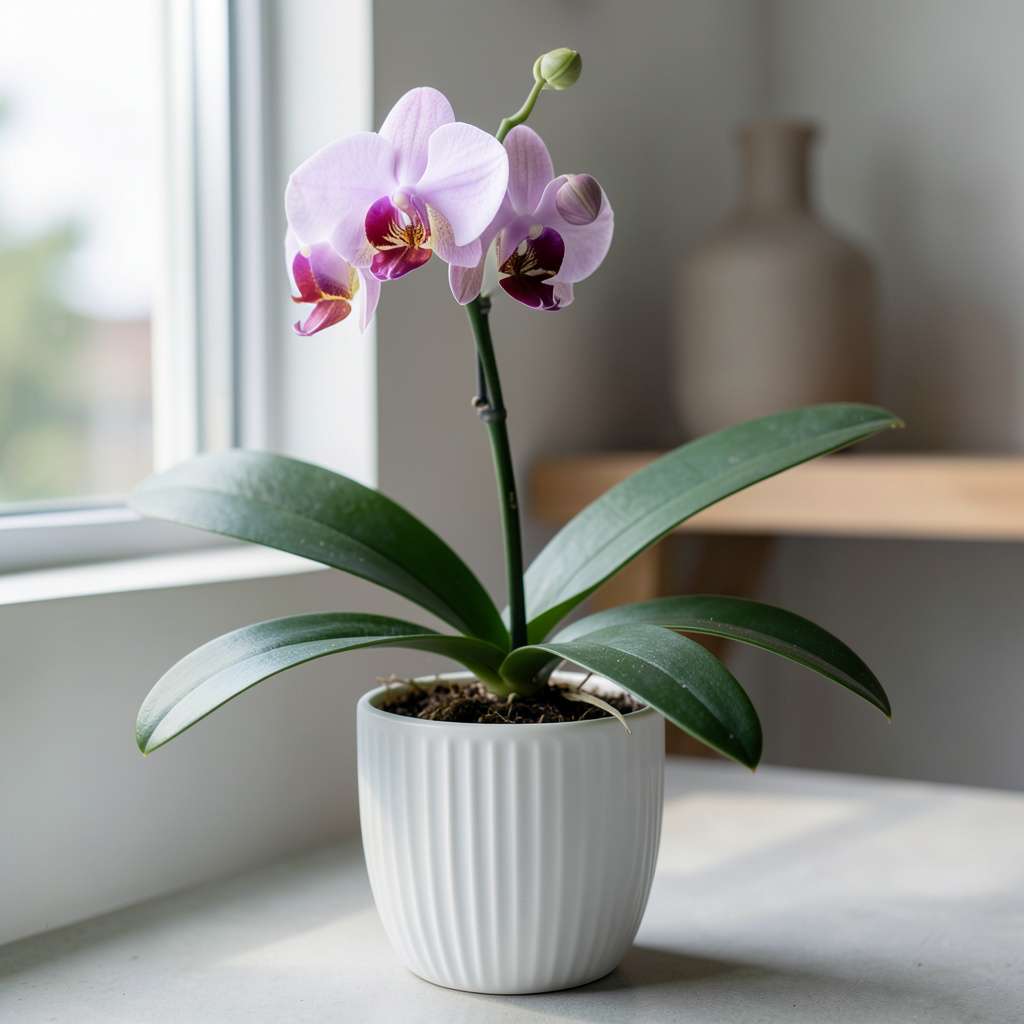
A healthy orchid typically has 3–5 leaves, though this varies by species. Too few may indicate stress, while too many suggests overwatering or poor light.
Understanding the number of leaves on your orchid is crucial for its health. 🌱 Each leaf plays a vital role in the plant’s ability to photosynthesize and store energy. If I notice an orchid with too few leaves, it often signals that the plant is experiencing stress, which might require adjustments in care, such as light or water levels. On the other hand, an excess of leaves could indicate overwatering or inadequate lighting conditions that need to be addressed to promote a balanced growth environment.
By monitoring leaf count and overall health, I can better support my orchids’ specific needs and ensure they thrive beautifully. 🌼
💡 In This Article
The number of leaves on an orchid is not just a cosmetic detail; it directly influences the plant’s health and vitality. Each leaf is essential for photosynthesis, the process that allows plants to convert light into energy. Orchids typically need 3-5 leaves to effectively sustain their growth. 🌱
Photosynthesis efficiency varies among species. For example, monopodial orchids like Phalaenopsis grow vertically with fewer leaves, while sympodial orchids such as Cattleyas expand laterally and can have more foliage. This adaptation helps each type maximize its energy capture based on its environment. 🌞
Moreover, leaf count impacts energy storage. A healthy orchid with an optimal leaf count can store enough energy to bloom and grow new roots. If an orchid has fewer than three leaves, it may be struggling to photosynthesize effectively, indicating potential issues such as insufficient light or water stress. 🌼
On the other hand, too many leaves can signal overwatering or poor light conditions. Excess foliage may prevent adequate air circulation, leading to mold or fungal issues. Thus, understanding these dynamics helps in providing proper care tailored to the specific type of orchid I’m nurturing. 🌿
In essence, the relationship between leaf count and overall health is critical for any orchid enthusiast. Monitoring the number of leaves and their condition allows me to adjust care practices—whether it’s changing watering schedules or repositioning the plant for better light exposure. This way, I can ensure my orchids flourish beautifully! 🌸
