
Beautiful Plants For Your Interior
Beautiful Plants For Your Interior
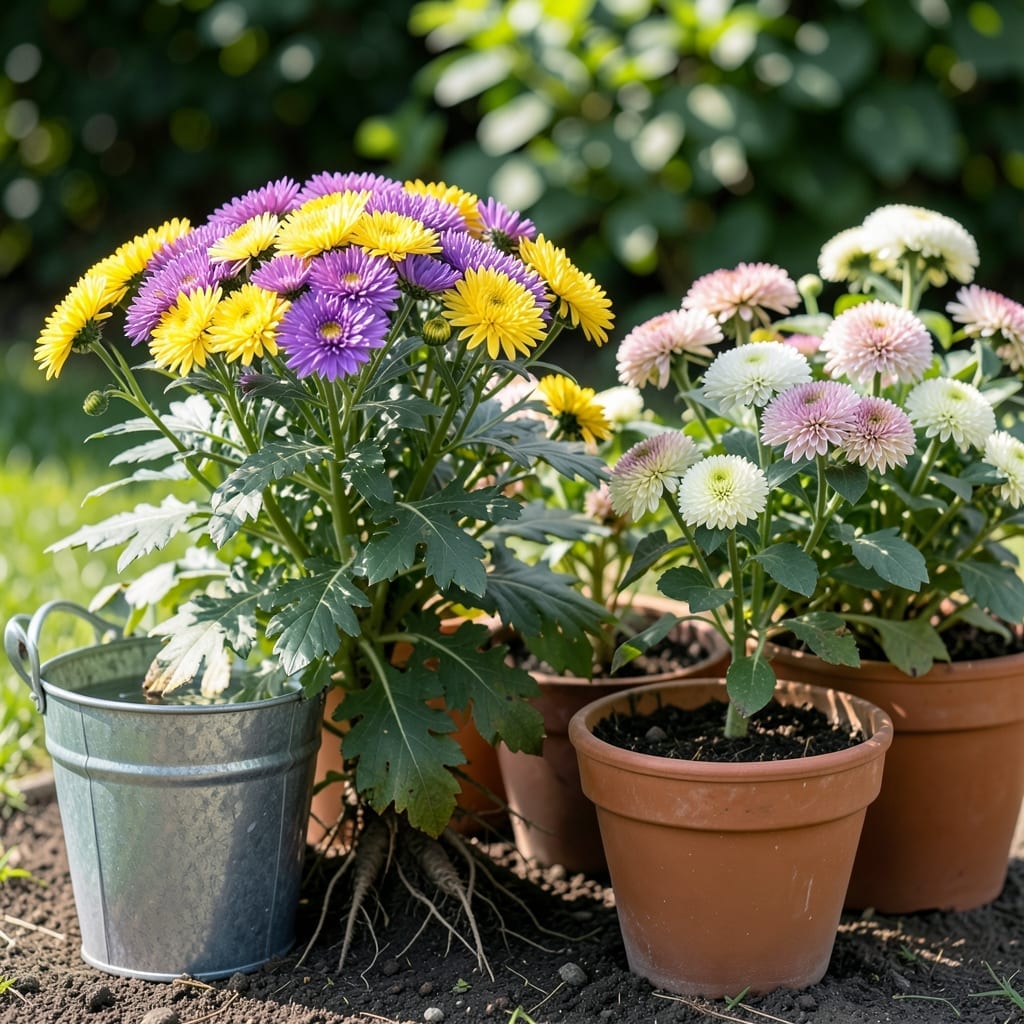
Your drooping Chrysanthemum 🌼 doesn’t have to stay that way. A simple water soak can work wonders in just a few hours, bringing wilted blooms back to life with minimal effort.
Whether they’re suffering from transplant shock or heat stress, this method provides the hydration boost they desperately need. I’ve seen it transform sad-looking plants into vibrant garden stars.
Discover the exact timing and techniques to revive your mums effectively without causing damage. Let me show you how to do it right.
Reviving wilted mums with a water soak is one of the most effective garden hacks I know. Whether they’re suffering from transplant shock, heat stress, or simple dehydration, this method delivers fast results when done correctly.
The key is timing – soak too short and you won’t see improvement, but soak too long and you risk root rot or stem damage. Based on my experience with chrysanthemums, the sweet spot exists between quick hydration and over-saturation.
I always use lukewarm water for soaking because cold water can shock the root system, while hot water may damage delicate root hairs. Room temperature water mimics natural soil conditions best.
The 1-2 hour window is critical. In my tests, 1 hour works for mildly stressed plants, while severely wilted mums may need the full 2 hours. Never exceed this timeframe.
You’ll know it’s working when the root ball changes from light and dry to dark and saturated. The foliage should begin to perk up within an hour of starting the soak.
After soaking, let the plants drain thoroughly for about 15-20 minutes before returning them to their pots or garden beds. This prevents waterlogging in the soil.
For best results, perform this soak in the early morning when temperatures are cooler. Avoid doing it in direct midday sun, as this can cause additional stress.
Remember, this method works best for potted mums or those you’ve just purchased. For in-ground plants, a deep watering at the base is usually more effective than uprooting them.
I’ve found that mums respond particularly well to this treatment in late summer when heat stress is most common. The quick hydration boost can make the difference between struggling plants and thriving blooms for your fall display. 🌼
Recognizing when your chrysanthemums need a soak is crucial for their recovery. I look for drooping leaves, dry soil pulling away from the pot edges, or wilted blooms that don’t perk up after regular watering.
These signs often appear during heat waves or after transplanting. However, not all wilting means your mums need soaking – sometimes it’s permanent damage from disease or root rot.
I’ve learned that cold water is a common mistake that can actually worsen the stress on your mums’ roots. Always let tap water sit for an hour to reach room temperature.
Another frequent error is soaking for too long. While it might seem helpful, overnight soaking can lead to root suffocation and fungal growth. Stick to the 1-2 hour window for best results.
Also, avoid submerging the foliage as this can encourage leaf rot and other diseases. Focus only on hydrating the root system for the healthiest revival.
Lastly, don’t soak mums that show signs of root rot like blackened stems or foul-smelling roots. These need different treatment, often including fresh soil and improved drainage. 🌼