
Beautiful Plants For Your Interior
Beautiful Plants For Your Interior
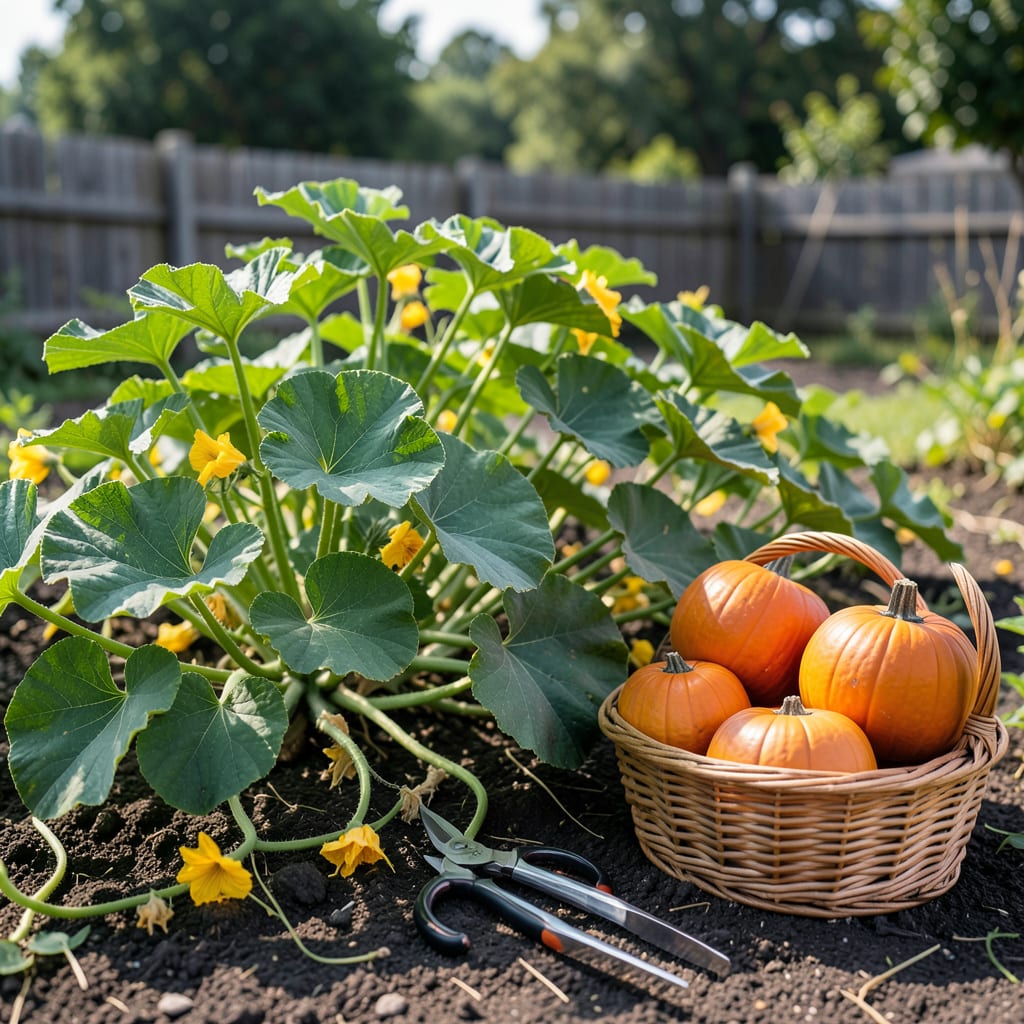
Timing your pumpkin harvest just right makes all the difference between a perfect 🎃 and a disappointing one. Too early and they lack flavor; too late and they spoil quickly.
I’ll show you the exact signs to look for and the ideal timeline from planting to picking. With these tips, you’ll get the sweetest pumpkins every season.


Getting the timing right for pumpkin harvest starts with understanding their growth stages. Most varieties take 75 to 120 days from seed to maturity, depending on the type and growing conditions.
Early varieties like Jack Be Little may be ready in 75 days, while larger types like Atlantic Giant can take 120 days or more. Climate and planting time also play a huge role in determining your harvest window.
| Stage | Duration | Key Signs |
|---|---|---|
| Sprouting | 5-10 days | Seedlings emerge from soil |
| Vine Growth | 4-6 weeks | Vines spread rapidly, leaves develop |
| Flowering | 8-10 weeks | Yellow flowers appear, pollination occurs |
| Fruit Development | 10-12 weeks | Pumpkins form and grow in size |
| Maturation | 12-16 weeks | Rind hardens, color deepens, vines die back |
For the best results, plant pumpkins after the last frost when soil temperature reaches at least 60°F. This ensures strong germination and healthy vine growth from the start.
If you’re growing Sugar Pie pumpkins, expect a 90-day maturity period. These smaller pumpkins are perfect for pies and have a sweeter flavor when fully ripe.
Larger varieties like Howden or Cinderella often need 100-110 days. These are great for carving and can weigh 20-30 pounds at harvest time.
In cooler climates, start seeds indoors 2-3 weeks before the last frost to extend your growing season. This gives your pumpkins a head start and helps them reach maturity before the first fall frost.
Soil conditions also impact growth time. Pumpkins thrive in well-draining soil rich in organic matter. Amend your garden bed with compost before planting for the best results.
Watch for vine dieback as a sign that harvest time is near. When the vines start to turn brown and wither, your pumpkins are likely ready to pick within a week or two.
Finally, remember that consistent watering is key during fruit development. Aim for 1-2 inches per week, especially during dry spells, to support healthy growth and timely maturation 🌱
I always check for 5 key signs before harvesting pumpkins to ensure peak ripeness. The first is rind hardness—press your fingernail into the skin, and it should resist puncturing.
Next, examine the stem. A ready pumpkin has a dry, woody stem, not green or pliable. This indicates the vine has finished supplying nutrients to the fruit.
Another clear indicator is color depth. Most pumpkins turn a deep, solid orange, but some varieties like White Ghost or Blue Hubbard have unique hues.
Tap the pumpkin lightly—it should produce a hollow sound. A dull thud suggests it’s not ripe yet. This test works best with larger varieties like Jack-o’-Lantern.
The final sign is vine condition. When the leaves turn brown and the vines start to die back, your pumpkins are nearly ready. This typically happens 1-2 weeks before harvest.
Avoid harvesting based on size alone, as some small varieties mature quickly while large ones may need more time. Always combine multiple signs for the most accurate timing.
I’ve found that morning harvesting works best, as pumpkins are firmer and less prone to bruising after a cool night 🌱
I love having control over my pumpkin harvest window, and you can too with a few smart strategies. For earlier pumpkins, try starting seeds indoors 2-3 weeks before the last frost date in your area.
Using row covers is another great way to extend your season. These protect young plants from unexpected late frosts and can add 2-4 weeks to your growing window.
Pro Tip: In cooler climates, choose early-maturing varieties like Early Orange (85 days) or Small Sugar (100 days) to ensure a timely harvest before winter sets in.
For a later harvest, plant late-season varieties like Long Island Cheese (110-120 days). These need a longer growing period but can produce well into fall with proper care.
If frost threatens before your pumpkins are ripe, cover them with frost blankets at night. You can also harvest them early and let them ripen indoors at room temperature with good air circulation.
To shorten the harvest time, provide optimal growing conditions: full sun, consistent watering, and rich soil. Healthy, stress-free plants often mature faster than those struggling with poor conditions.
Remember that storage conditions can also affect ripening. Keep harvested pumpkins in a dry, warm place (about 80-85°F) for 10-14 days to complete the ripening process if needed 🌿
Early varieties like Jack Be Little mature in just 75 days. These small pumpkins are perfect for quick harvests or shorter growing seasons.
No, wait for deep, solid color first. Some varieties have unique hues, but most need full color development. A green stem is another sign they’re not ready.
Cover them with frost blankets at night. You can also harvest early and let them ripen indoors at room temperature for 10-14 days.
Morning is ideal, as pumpkins are firmer after a cool night. This reduces bruising during handling and transport.
