
Beautiful Plants For Your Interior
Beautiful Plants For Your Interior
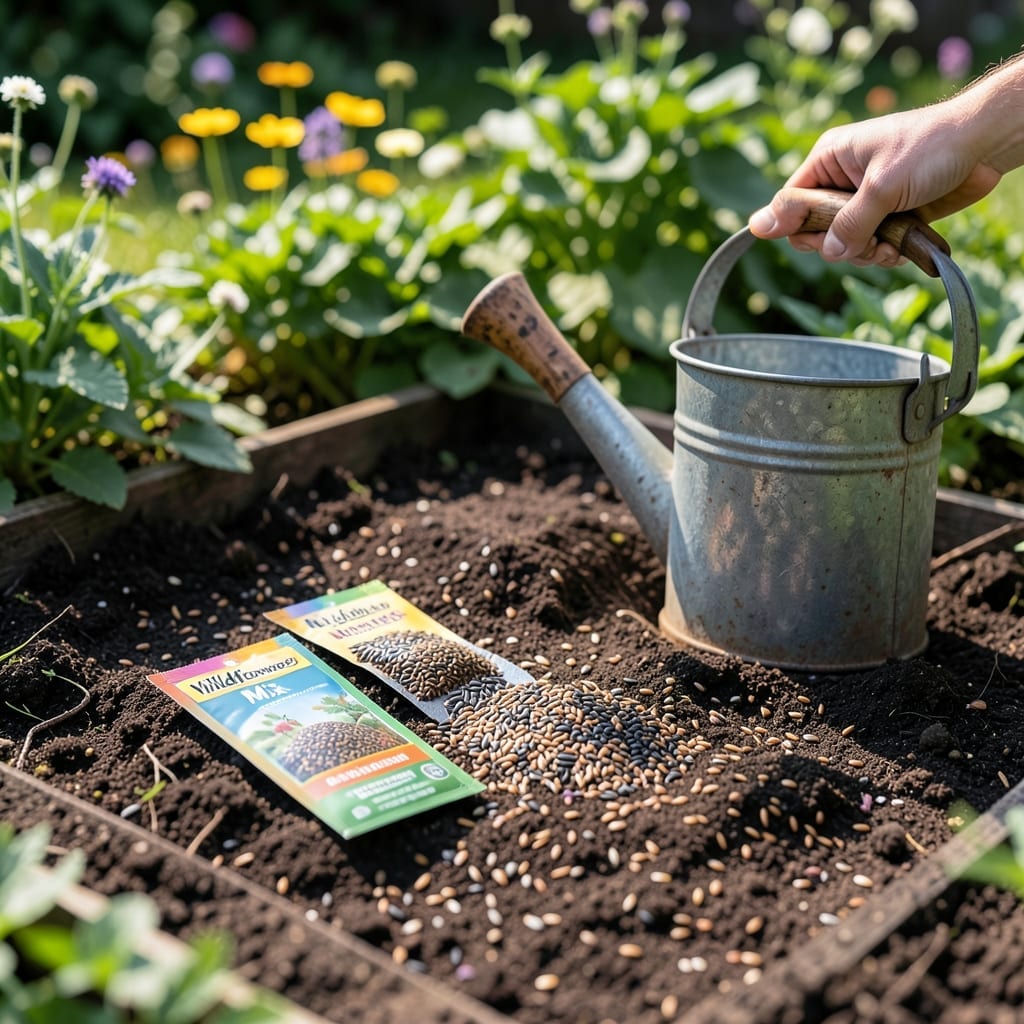
Patience is key when growing 🌸 Wildflower from seed, as germination times can vary dramatically. Some sprouts appear in just a few days, while others take several weeks to break through the soil.
Understanding these timeframes helps you plan your planting schedule and set realistic expectations. Whether you’re dreaming of a vibrant meadow or a small garden patch, knowing what to expect makes the process less stressful.
I’ll walk you through the typical sprouting periods and the factors that influence them. Let’s get started on your wildflower journey.


One of the first questions I get from new gardeners is how long they’ll wait to see wildflower sprouts. The truth is, it varies widely by species. Some wildflowers, like California poppies, can sprout in as little as 5-10 days under ideal conditions.
Others, such as lupines or columbines, may take 2-4 weeks or even longer. Environmental factors like soil temperature, moisture levels, and light exposure play a huge role in speeding up or slowing down the process.
| Wildflower Type | Germination Time | Ideal Conditions |
|---|---|---|
| California Poppy | 5-10 days | ☀️ Full sun, 60-70°F |
| Cosmos | 7-14 days | ☀️ Full sun, well-draining soil |
| Black-Eyed Susan | 10-20 days | ☀️ Full sun to partial shade |
| Lupine | 14-30 days | 🌱Cool soil, stratification helps |
| Columbine | 21-42 days | 🌿 Partial shade, moist soil |
From my experience, fast germinators like cosmos and poppies are perfect for gardeners who want quick results. These seeds often sprout within a week if the soil is warm and consistently moist.
On the other hand, slower germinators such as lupines and columbines require more patience. These seeds often benefit from cold stratification, where they’re exposed to cold, moist conditions before planting to break dormancy.
I’ve found that soil temperature is one of the biggest factors. Most wildflower seeds germinate best when soil temps are between 60-75°F. If it’s too cold, germination slows down or stops altogether.
Moisture is another critical factor. Seeds need consistent moisture to sprout, but overwatering can lead to rot. I recommend keeping the soil evenly damp, not soggy, during the germination period.
Light exposure also matters. While some seeds need light to germinate, others prefer darkness. For most wildflowers, lightly pressing the seeds into the soil without covering them ensures they get the light they need.
If you’re planting a wildflower mix, expect a range of germination times. Some seeds will sprout quickly, while others may take their time. This staggered germination can create a longer blooming season in your garden. 🌼
If you’re eager to see wildflower sprouts sooner, I’ve got some proven techniques to help speed up the process. The key is creating ideal conditions for germination to occur quickly and successfully.
One of the most effective methods I use is stratification. Many wildflower seeds, especially native species, have a natural dormancy that requires cold treatment to break. You can mimic this by placing seeds in a damp paper towel in the fridge for 1-2 weeks before planting.
Another game-changer is consistent moisture. I recommend using a spray bottle to mist the soil surface, which keeps it damp without disturbing the seeds. A plastic cover or dome can also help maintain humidity levels.
Soil temperature is crucial. Most wildflower seeds germinate fastest when soil is between 65-75°F. If you’re starting indoors, a seedling heat mat can provide the warmth needed for faster sprouting.
Don’t underestimate the power of light exposure. While some seeds need darkness, most wildflowers require light to germinate. I always press seeds gently into the soil surface but never cover them completely.
Finally, using a high-quality seed-starting mix can make a big difference. These mixes are specifically formulated to provide the right balance of moisture retention and drainage that seeds need. 🌱