
Beautiful Plants For Your Interior
Beautiful Plants For Your Interior
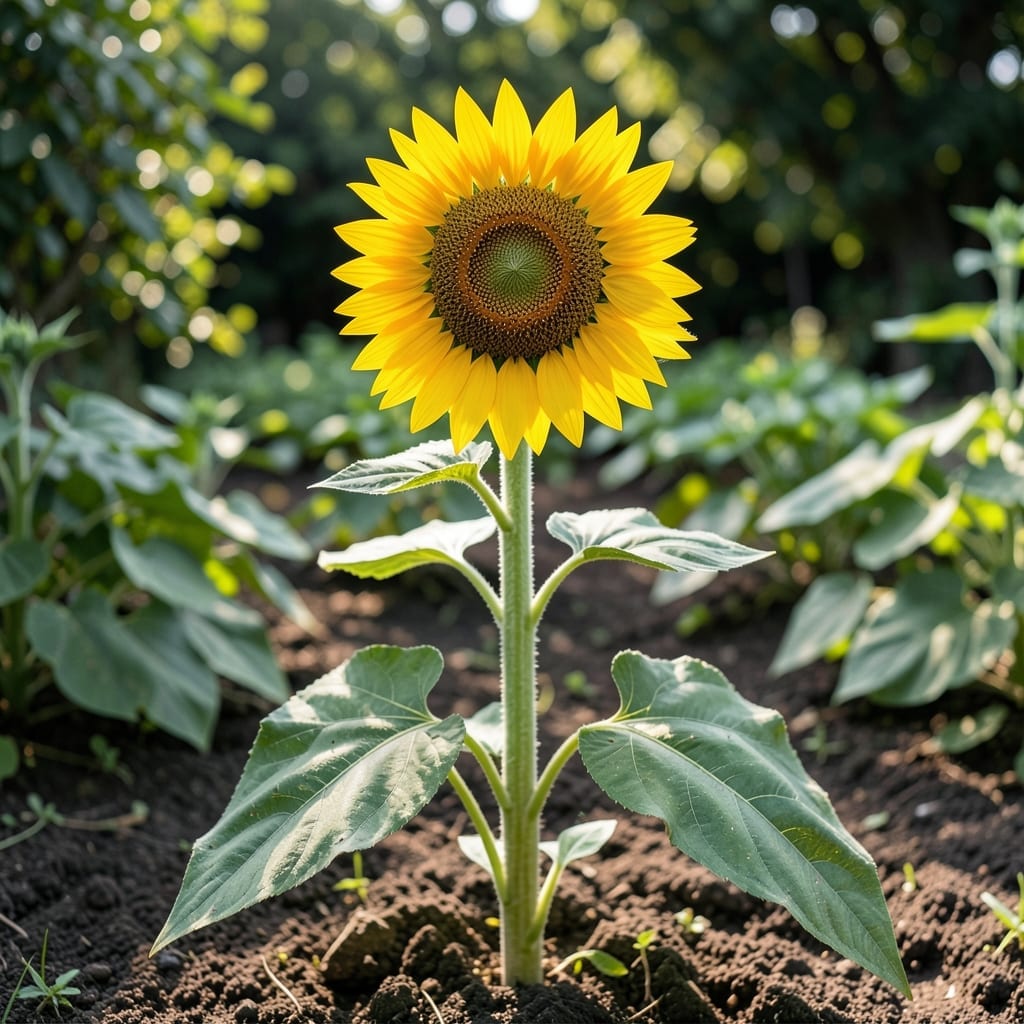
Watching a Sunflower 🌻 transform from a tiny seed to a towering bloom is one of gardening’s most rewarding experiences. But how long does this magical process actually take?
From planting in spring to those cheerful yellow faces brightening your garden, the journey is faster than you might think. Many gardeners are surprised by how quickly these giants grow under the right conditions.
Let me walk you through the Sunflower timeline, from seed to full bloom, and share what affects their growth speed. You’ll be amazed at how soon you can enjoy their beauty.


If you’ve ever planted sunflower seeds and wondered when you’d see those bright yellow faces, I’ve got great news. The growing timeline is surprisingly quick for such tall, majestic plants.
Most sunflower varieties go from seed to bloom in just 60 to 90 days, depending on the type and growing conditions. That means you could be admiring blooms in as little as two months!
| Stage | Timeframe | Key Development |
|---|---|---|
| Germination | 5-12 days | Sprouts emerge from soil |
| Seedling | 2-3 weeks | First true leaves appear |
| Vegetative | 30-45 days | Rapid stem and leaf growth |
| Budding | 45-60 days | Flower buds form |
| Flowering | 60-90 days | Full blooms open |
The germination stage is the first exciting milestone. With warm soil (at least 55°F) and consistent moisture, you’ll see tiny green shoots poking through in 5 to 12 days. ☀️
Once those first true leaves appear, your sunflower enters the seedling phase. This lasts about 2 to 3 weeks, during which the plant establishes its root system and starts growing taller.
The vegetative stage is where things get impressive. For 30 to 45 days, your sunflower will shoot up, sometimes growing an inch per day under ideal conditions. This is when you’ll really notice the height difference!
Next comes budding, typically starting around 45 to 60 days. You’ll see a green bud forming at the top of the stem, gradually swelling as it prepares to burst into bloom. This stage is always exciting to watch.
Finally, the flowering stage arrives at 60 to 90 days. The bud opens to reveal that classic sunflower face. Dwarf varieties may bloom as early as 60 days, while giant sunflowers can take the full 90 days.
I always recommend marking your calendar when you plant. It’s incredibly satisfying to track progress and see how quickly these hardy plants grow. With the right care, you’ll have a stunning display in no time.
Remember, these are average timeframes. Your specific results may vary based on climate, soil, and care. But one thing’s certain: sunflowers grow fast and reward your efforts beautifully. 🌻
While sunflowers typically bloom in 60 to 90 days, several factors can speed up or slow down their growth. I’ve found that understanding these variables helps set realistic expectations for your garden.
The most significant influence is climate. Warm temperatures (70-78°F) accelerate growth, while cooler conditions may extend the timeline. Sunflowers planted in spring often grow faster than those sown in early summer.
Soil quality plays a huge role in growth speed. I always amend my planting beds with compost before sowing seeds. This provides the nutrients needed for rapid development during the vegetative stage.
Sunlight exposure is another critical factor. Sunflowers are full-sun plants, and those receiving less than 6 hours of direct light daily may grow more slowly. If your garden has partial shade, consider dwarf varieties which are more tolerant.
Watering practices also affect growth rates. While sunflowers are drought-tolerant once established, consistent watering (about 1-2 inches per week) keeps them growing steadily. I water deeply in the morning to prevent fungal issues.
Finally, remember that variety selection impacts your timeline. Dwarf sunflowers like ‘Teddy Bear‘ may bloom in 60 days, while giant varieties like ‘Mammoth’ often need the full 90 days. Choose based on your patience and space! 🌻