
Beautiful Plants For Your Interior
Beautiful Plants For Your Interior
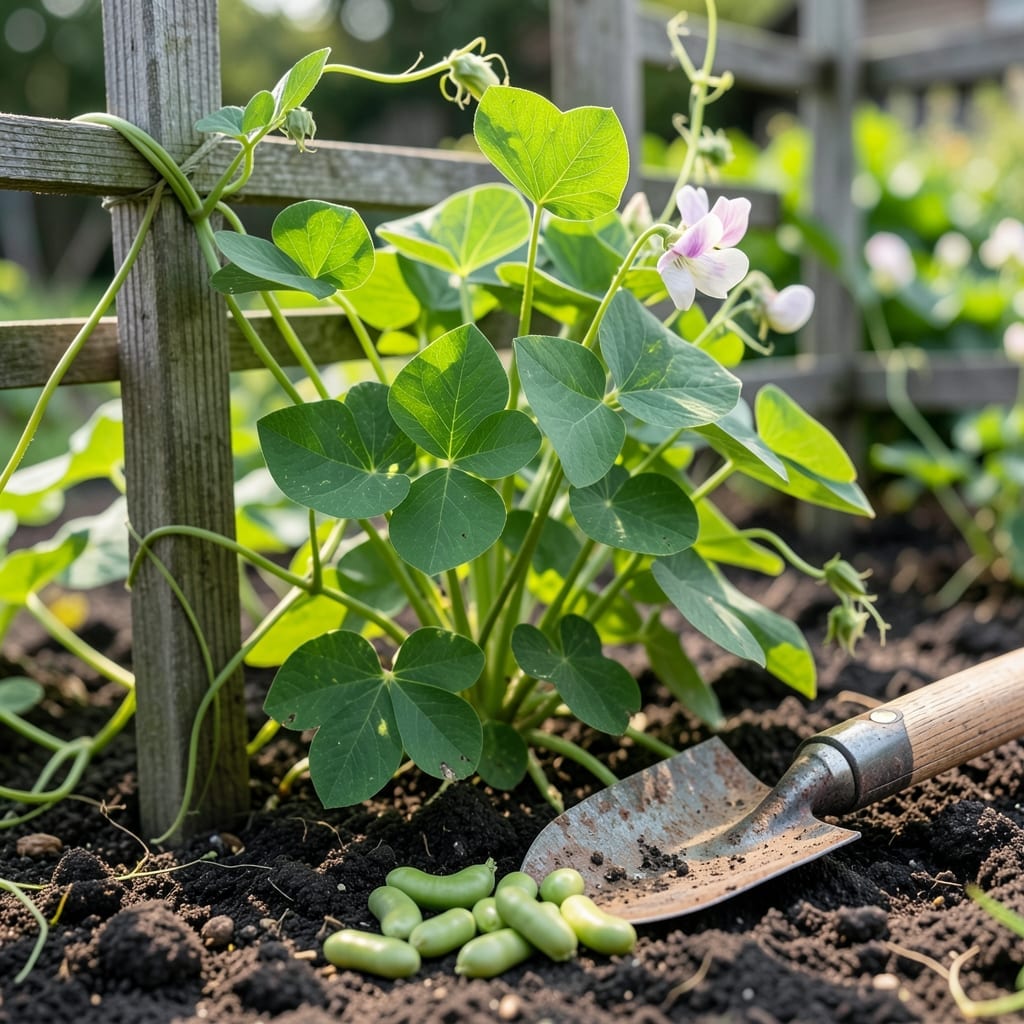
Watching your first pea sprouts emerge from the soil is one of gardening’s most exciting moments. But how long does it actually take for 🌱 Pea seeds to sprout, and what factors can speed up or delay the process?
I remember checking my garden daily, waiting for those first green shoots to appear. The anticipation is real, and understanding the timeline helps set proper expectations.
While Pea germination typically happens within 5-10 days, several variables can influence this. Soil temperature, moisture levels, and seed quality all play crucial roles in determining sprouting speed.
Let me walk you through what to expect and how to create the ideal conditions for your Pea seeds to thrive from the very beginning.
If you’re eager to see those first pea shoots break through the soil, you’re not alone. The germination period for peas is one of the most rewarding phases for gardeners. I’ve found that most varieties sprout within 5 to 10 days under ideal conditions.
However, this timeline can shift based on factors like soil temperature and moisture levels. Peas prefer cool soil—around 40°F to 75°F—and consistent dampness without waterlogging. Too cold or too dry, and the process slows down significantly.
| Stage | Timeframe | Key Conditions |
|---|---|---|
| Seed Planting | Day 0 | Moist soil, 1-inch depth |
| Initial Sprouting | Days 5-7 | 60-70°F soil, consistent moisture |
| Full Germination | Days 7-10 | Avoid waterlogging, partial sun |
| Seedling Stage | Days 10-14 | Full sun, thin seedlings |
To speed up germination, I recommend soaking pea seeds overnight before planting. This softens the seed coat and can shave 1-2 days off the sprouting time. Just be sure to plant them immediately after soaking to prevent rot.
Another pro tip: Pre-warming the soil with black plastic or a cloche can help in cooler climates. Peas are hardy, but they won’t sprout well if the soil is below 40°F. A simple soil thermometer can save you a lot of guesswork.
If your peas aren’t sprouting within 10-14 days, check your planting depth. Peas should be sown 1 to 1.5 inches deep. Any deeper, and the tiny sprouts may struggle to push through the soil.
Seed quality also plays a big role. Older seeds take longer to germinate or may not sprout at all. Always check the pack date on your seed packets and aim to use them within 2-3 years for best results.
For container gardeners, ensure your pots have good drainage and use a light, well-draining potting mix. Peas don’t like soggy roots, and poor drainage is a common culprit for delayed or failed germination.
Finally, keep an eye on pests like birds or rodents, which love to dig up freshly planted pea seeds. Using row covers or netting can protect your seeds until they’re established.
With the right conditions and a little patience, you’ll soon see those first green shoots pushing through the soil. It’s a small but magical moment that makes all the effort worthwhile.
🌱Pea germination speed isn’t just about patience—it’s about optimal conditions. I’ve learned that even small tweaks can make a big difference in how quickly those first shoots appear. Let’s break down the key factors that influence sprouting time.
From soil temperature to seed quality, each element plays a role. Understanding these helps you create the perfect environment for fast, healthy germination.
I always pre-soak my pea seeds for 12-24 hours before planting. This simple step can cut sprouting time by a day or two by softening the seed coat.
In cooler climates, I use black plastic mulch to warm the soil. This trick can boost soil temperature by 5-10°F, which is often enough to get peas sprouting faster.
Seed spacing matters too. Crowded seeds compete for resources, slowing germination. I plant peas 2 inches apart in rows 18-24 inches apart for best results.
Finally, don’t overlook soil quality. Peas thrive in loamy, well-draining soil. Heavy clay or compacted soil can delay sprouting by 3-5 days. Amending with compost helps.
🌱