
Beautiful Plants For Your Interior
Beautiful Plants For Your Interior
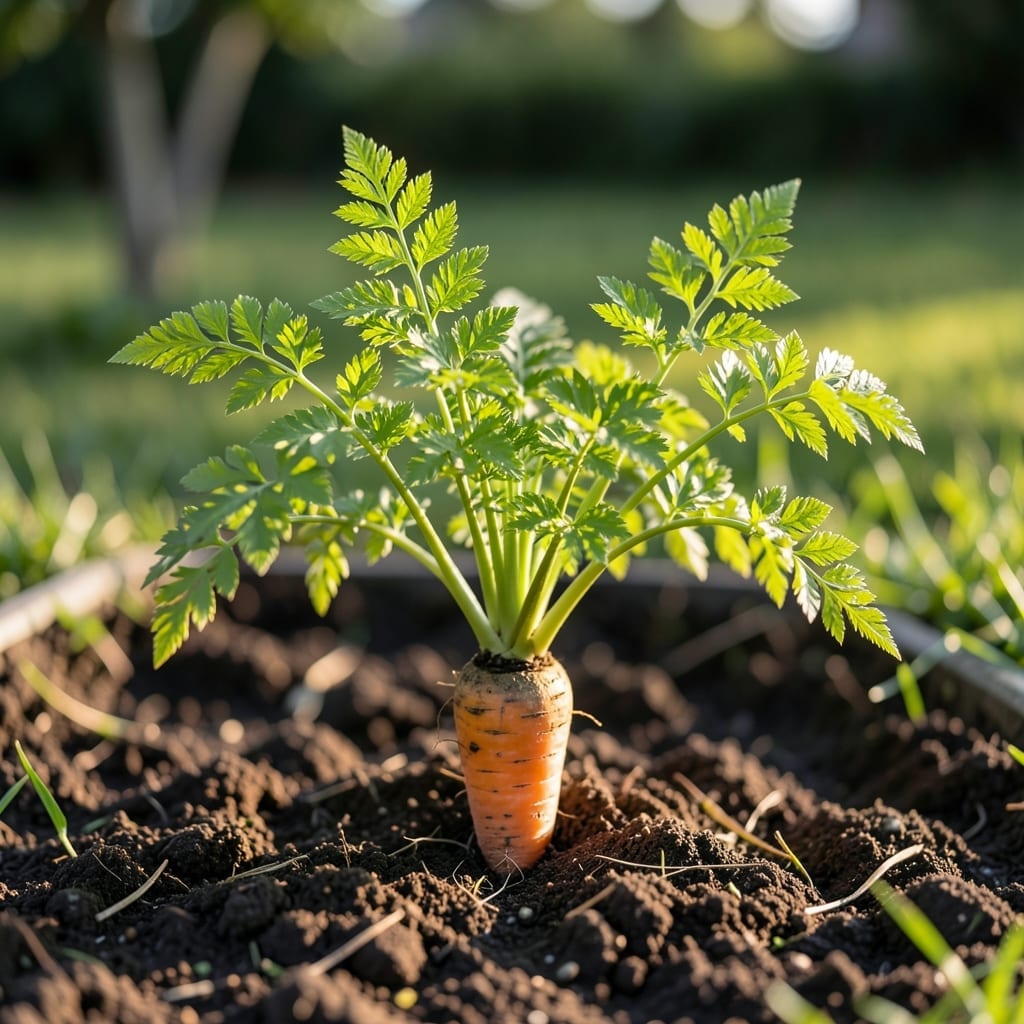
Growing 🥕 Carrot from seed can test even the most patient gardener. One day you’re staring at bare soil, the next you’re celebrating tiny green sprouts—or still waiting.
I’ve learned that the difference between a fast harvest and a slow start often comes down to just a few key factors. Temperature, moisture, and soil prep play huge roles in how quickly those seeds wake up.
Let me walk you through what to expect and how to set your Carrot seeds up for success from day one. The timeline might surprise you.


Carrot seeds are notoriously slow to sprout, but knowing the typical timeline helps ease the wait. Most varieties take 7 to 21 days to germinate, though some can take up to 30 days in cooler conditions.
I’ve found that soil temperature is the biggest game-changer. Seeds sown in 60-85°F soil often sprout in under 10 days, while colder soil can double that time. Consistency is key—fluctuations slow everything down.
| Stage | Timeframe | Key Notes |
|---|---|---|
| Initial Planting | Day 0 | Sow seeds 1/4 inch deep |
| Early Germination | Days 7-10 | First sprouts in warm soil |
| Full Germination | Days 14-21 | Most seeds sprout at 70°F |
| Slow Conditions | Up to 30 days | Below 50°F soil |
Variety matters too. Nantes carrots often sprout faster than Danvers or Chantenay types. If you’re eager for results, check the seed packet—some early varieties promise sprouts in as little as 5 days under perfect conditions.
Moisture is another critical factor. Carrot seeds need consistent dampness to break dormancy, but soggy soil can cause rot. I use a spray bottle to mist the soil lightly, keeping it evenly moist without waterlogging.
Light isn’t a major player at this stage since seeds are buried, but soil texture is. Compact or rocky soil can block sprouts. I always loosen the bed to at least 12 inches deep before planting to give those tiny roots room to grow.
If you’re tracking progress, look for tiny green loops breaking the surface—this is the first sign of life. These loops will straighten into true leaves within a few days, confirming successful germination.
Temperature swings can trick you into thinking seeds aren’t viable. A heat mat can help stabilize soil temps in early spring, shaving days off the wait. Just remove it once sprouts appear to avoid overheating.
Patience pays off. Once germination starts, growth accelerates quickly. Those first true leaves signal it’s time to thin seedlings to 2 inches apart, giving each carrot space to develop properly.
Remember, slower germination doesn’t mean failure. Even if it takes 3 weeks, healthy sprouts will catch up quickly with the right care. Keep the soil warm, moist, and loose, and those carrots will reward your patience.
🌱I’ve learned that carrot seeds sprout faster with a few simple tweaks to their environment. Pre-soaking seeds for 2-3 hours before planting can cut germination time nearly in half by softening the seed coat.
Consistent moisture is non-negotiable. I cover my rows with burlap or row fabric to retain humidity without waterlogging. This keeps the top inch of soil evenly damp, which is critical for those first 7-10 days.
Soil temperature is another lever I pull. A seedling heat mat under the row can maintain that optimal 70°F range, especially in early spring. Just
Shallow planting helps too. I sow seeds just 1/4 inch deep—any deeper and the tiny sprouts exhaust their energy reserves before breaking the surface. Fine soil texture is equally important to prevent crusting that can block emergence.
I’ve also had success with companion planting. Radishes planted alongside carrots germinate in 3-4 days, breaking the soil crust and marking the rows. By the time you harvest the radishes, the carrots are well on their way.
Finally, avoid the urge to dig or poke around for sprouts. This can damage the delicate roots. Instead, I mark my rows with popsicle sticks and trust the process—patience with these methods always pays off.
🌱