
Beautiful Plants For Your Interior
Beautiful Plants For Your Interior
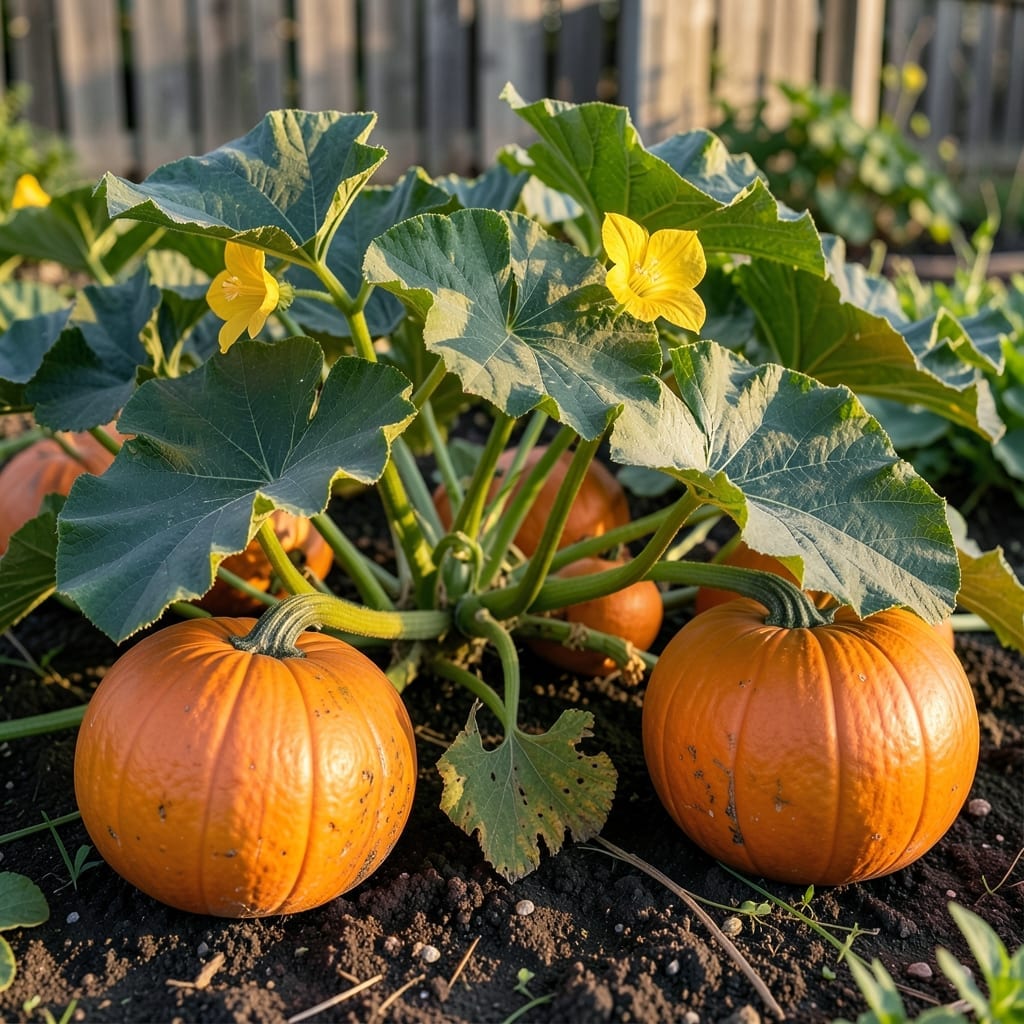
Growing 🎃 Pumpkin is a rewarding journey from seed to harvest, but timing is everything. Whether you’re aiming for jack-o’-lanterns or pie pumpkins, knowing the exact growth stages ensures a bountiful yield.
From germination to vine development, each phase plays a critical role in the process. The right timing can mean the difference between a thriving patch and a disappointing harvest.
Discover how to align your planting with the seasons and set yourself up for success. Let me walk you through what to expect every step of the way.


If you’re wondering how long for a pumpkin to grow, the answer depends on the variety. Most standard pumpkins take 75-100 days from seed to harvest, but some mini varieties mature in as few as 60 days. 🌱
The journey begins with germination, which typically takes 5-10 days in warm, moist soil. I always recommend planting after the last frost when soil temperatures reach at least 60°F for best results. ☀️
| Growth Stage | Duration | Key Signs |
|---|---|---|
| Germination | 5-10 days | Sprouts emerge from soil |
| Vine Growth | 30-45 days | Long runners develop leaves |
| Flowering | 45-55 days | Bright yellow blooms appear |
| Fruit Maturation | 50-100 days | Pumpkins grow and change color |
After vines establish, you’ll notice yellow flowers forming around 45-55 days. These blossoms are crucial for pollination, which must occur for fruit set to begin. I hand-pollinate mine in the morning when flowers are open. 🌿
The fruit maturation stage is the longest, often taking 50-60 days after pollination. During this time, your pumpkins will grow rapidly in size. Giant varieties may take up to 120 days total from seed to harvest.
Watch for color changes as your pumpkins mature. Most turn from green to deep orange, but some heirloom varieties display unique hues. The rind hardening is another key indicator that harvest time is near.
I check my pumpkins daily during the final weeks. A hard rind that resists puncture from a fingernail means they’re ready. Also look for a dry, woody stem and vines that begin to die back.
Climate affects your timeline significantly. In cooler zones, I start seeds indoors 2-3 weeks before transplanting. Warmer regions allow direct sowing. Remember, consistent watering is vital during fruit development. 💧
For the best results, plant in well-draining soil enriched with compost. I space my pumpkin hills about 6 feet apart to give vines room to sprawl. This spacing also improves air circulation, reducing disease risk.
Finally, be patient! Rushing the process often leads to smaller or poorer-quality pumpkins. Trust the timeline, and you’ll be rewarded with a spectacular harvest just in time for fall decorations or your favorite pumpkin patch activities. 🎃
The growth duration of pumpkins varies based on several key factors. I’ve found that variety selection is the biggest game-changer, with mini pumpkins maturing in 60 days while giants need 120+ days. ☀️
Soil temperature also plays a critical role. Pumpkins thrive in warm soil—ideally 70-90°F. Cooler soils slow germination and stall growth, which is why I always wait until after the last frost to plant. 🌱
Sunlight exposure directly impacts growth rate. Pumpkins need 6-8 hours of direct sun daily. In shadier spots, I’ve noticed vines grow slower and produce smaller fruits. Position your patch where it gets full sun for best results. 🌿
Watering consistency is non-negotiable, especially during fruit development. I aim for 1-2 inches weekly, more in extreme heat. Inconsistent watering leads to cracked pumpkins or stunted growth.
Don’t overlook fertilization. A balanced feed early on supports vine growth, but I switch to high-phosphorus as flowers form to boost fruit production. Too much nitrogen gives you leafy vines but fewer pumpkins.
Finally, spacing matters. Crowded plants compete for resources, slowing growth. I space hills 6 feet apart for standard varieties, giving vines room to sprawl and access to nutrients and sunlight. 💧