
Beautiful Plants For Your Interior
Beautiful Plants For Your Interior
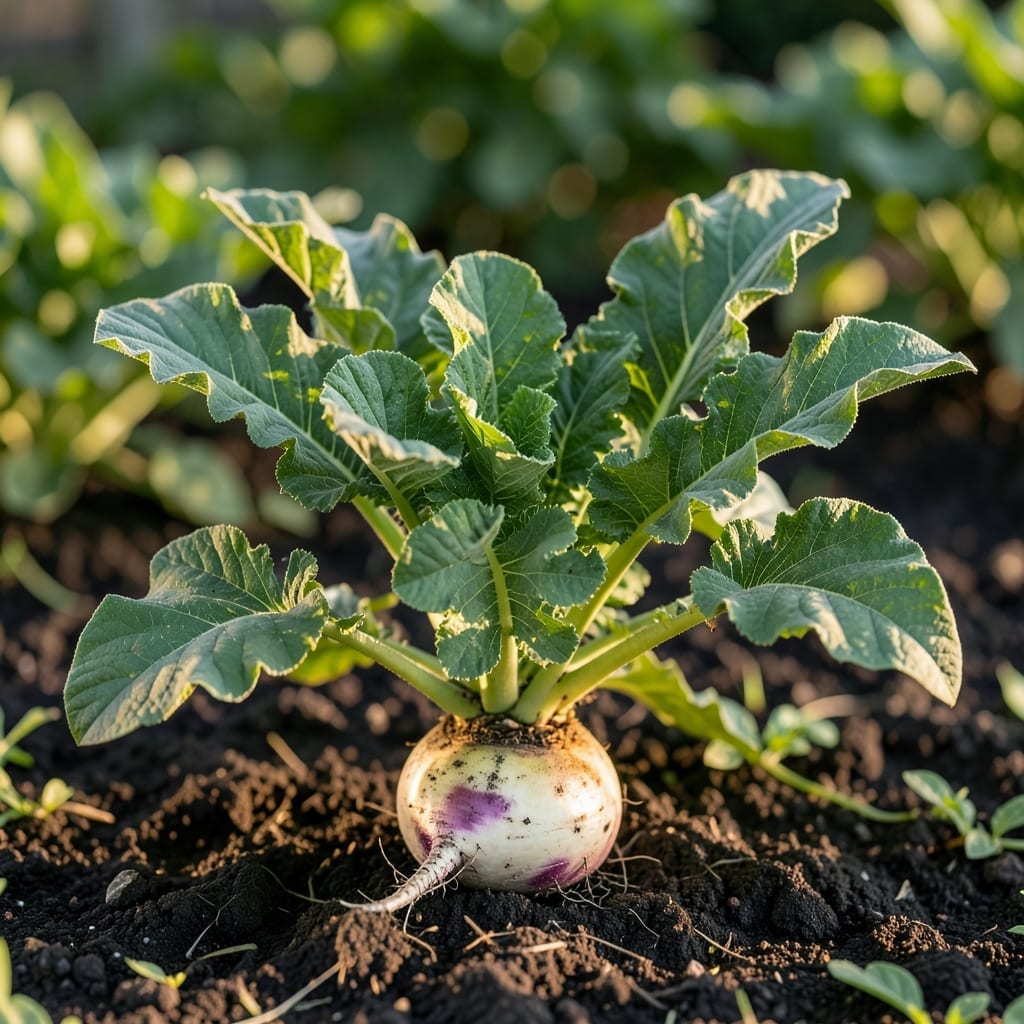
Growing Turnip 🥬 in your garden is a rewarding experience, but knowing exactly how long they take to mature is the key to a successful harvest.
Whether you’re planting for the roots or the greens, timing makes all the difference. In zone 6a, the spring season offers the perfect window to get started.
From seed to harvest, the journey is faster than you might think. With the right conditions, you could be pulling fresh turnips from the soil in just a few weeks.
Discover the growth stages and what to expect along the way. Let me walk you through the timeline that turns tiny seeds into a bountiful harvest.

If you’re eager to grow turnips in your garden, understanding their growth stages is essential. From planting to harvest, turnips follow a predictable timeline that varies slightly based on climate and care conditions. I’ll walk you through each phase so you know exactly what to expect.
Turnips are a cool-season crop, thriving in temperatures between 40°F and 75°F. They grow quickly, making them a great choice for gardeners who want a fast harvest. Whether you’re growing them for their roots or greens, the timeline is surprisingly straightforward.
| Stage | Duration | Key Development |
| Germination | 5-10 days | Sprouts emerge from soil |
| Leaf Development | 3-4 weeks | True leaves form, rapid growth |
| Root Maturation | 40-60 days | Roots reach harvestable size |
| Full Maturity | 50-70 days | Peak flavor and size achieved |
During the germination stage, turnip seeds sprout quickly in moist soil with temperatures between 50°F and 85°F. Keep the soil consistently damp but not waterlogged to encourage strong, healthy sprouts. I’ve found that using a seed-starting mix can improve germination rates significantly.
Once the true leaves appear, your turnips enter the leaf development stage. This is when the plant focuses on growing its foliage, which is edible and delicious. If you’re growing turnips for greens, you can start harvesting the outer leaves at this point, but leave the center to keep growing.
Thin seedlings to 2-4 inches apart to give each plant enough space to develop properly. Crowded turnips won’t form good roots, so this step is crucial for a bountiful harvest.
The root maturation stage is when the magic happens underground. Turnip roots begin to swell and grow, reaching their full size in 40-60 days after planting. For the best flavor and texture, harvest when the roots are 2-3 inches in diameter. Larger roots can become woody and bitter.
Finally, full maturity is reached in 50-70 days, depending on the variety and growing conditions. Turnips grown in cooler weather tend to be sweeter and more tender. If you live in a warmer climate, consider planting in early spring or late summer to avoid the heat.
I always check the soil moisture regularly during the growing season. Turnips need consistent watering, especially during dry spells, to prevent the roots from becoming tough or cracked. A layer of mulch can help retain moisture and keep the soil temperature stable.
By following this timeline and providing the right conditions, you’ll be rewarded with a healthy turnip harvest in just a couple of months. It’s one of the most satisfying crops to grow because it’s so quick and versatile.
Happy gardening, and enjoy your homegrown turnips! 🌱
If you want to harvest turnips faster, understanding what affects their growth is essential. Temperature, sunlight, and soil conditions play huge roles in how quickly they mature.
I’ve found that cool weather between 40-75°F is ideal, while extreme heat can stunt growth. Consistent watering and loose soil also prevent delays in development.
Key Growth Accelerators
On the flip side, poor drainage or overcrowding can slow things down. I always thin seedlings to avoid competition for nutrients.
Pests and diseases like flea beetles or root maggots can also delay growth. Using row covers and crop rotation helps keep them at bay.
In my experience, early spring or fall planting yields the best results. Avoid summer heat, which can make turnips bitter and woody. ☀️
Finally, choosing the right variety matters. Some early-maturing types can be ready in 30 days, while others take up to 70 days. 🌱