
Beautiful Plants For Your Interior
Beautiful Plants For Your Interior
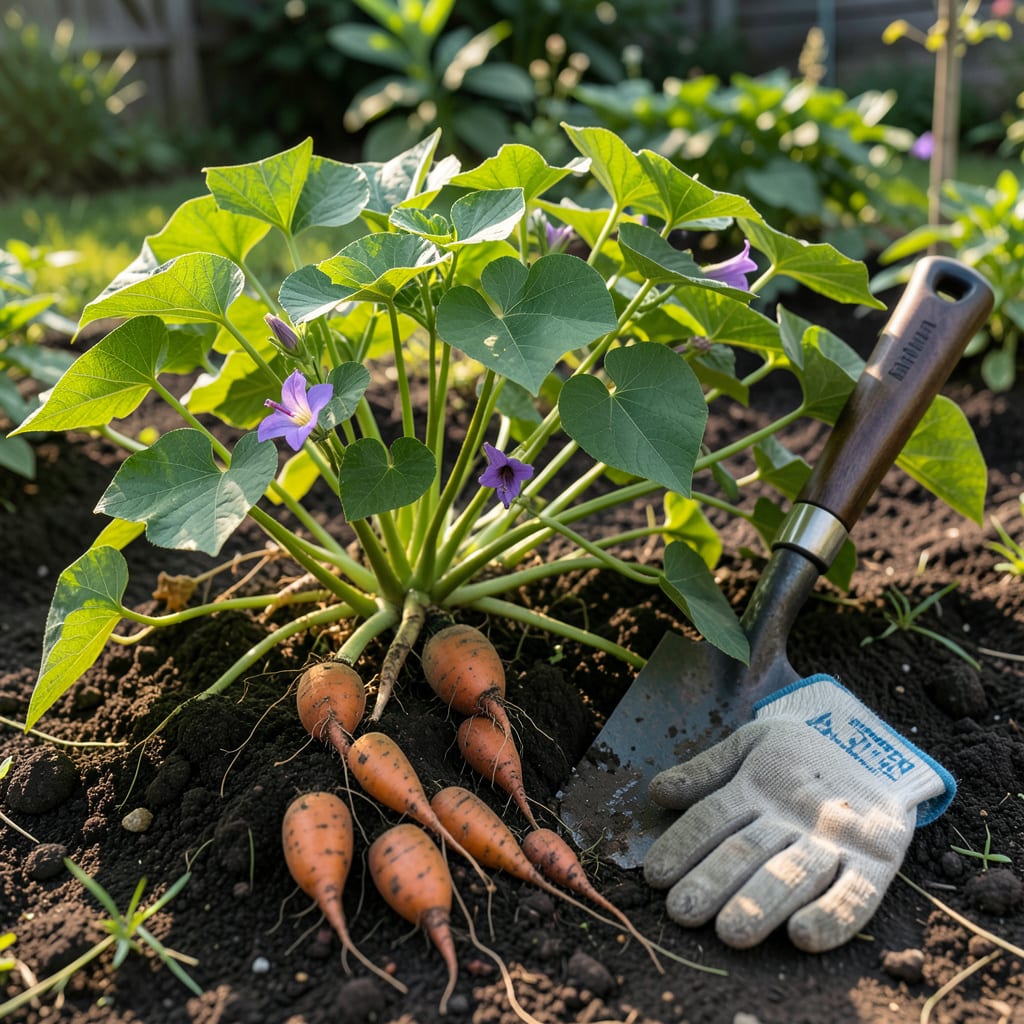
Ever planted 🍠 Sweet Potato slips and wondered when you’ll see results? Patience is key with this spring crop, but the wait is worth it.
From planting in May – June to harvest time, I’ll walk you through the timeline and signs that your Sweet Potatoes are ready to dig up. Let’s get growing!


If you’re growing sweet potatoes, understanding their timeline is crucial. Most varieties take 90-170 days to mature, depending on your climate and care. The process begins with slips and ends with plump tubers.
I’ve found that warm soil and consistent watering speed up growth. In cooler regions, expect a longer wait. Let’s break down the stages so you know what to expect.
| header-cell” style=”background-color: #6fd544;”>Key Details |
| cell”>Slips root in warm soil |
| cell”>Rapid foliage development |
| cell”>Tubers begin to swell underground |
| cell”>Harvest before frost |
In the first month, your slips will focus on establishing roots. This is when consistent moisture is most critical. I recommend using a drip irrigation system to avoid overwatering.
By 6-8 weeks, the vines will explode with growth. This is a sign that the underground tubers are starting to form. Keep an eye out for yellowing leaves, which can signal nutrient deficiencies.
At the 3-month mark, your sweet potatoes are likely sizing up. I’ve learned that Beauregard varieties often mature faster, around 90-100 days, while others may need the full 170 days.
As harvest time nears, watch for vines dying back and leaves turning yellow. These are nature’s way of telling you the tubers are ready. I always check a few by gently digging to confirm size.
Remember, frost is the enemy of sweet potatoes. In my Zone 6 garden, I aim to harvest by mid-October to avoid cold damage. If frost threatens early, cover plants with row covers.
For the best flavor, I let my sweet potatoes cure in warm conditions for about 10 days after harvesting. This step enhances their natural sweetness and extends storage life significantly.
Whether you’re growing in raised beds or traditional rows, proper spacing is key. I give each plant 12-18 inches of room to ensure good tuber development without competition.
Your sweet potato harvest time isn’t set in stone—it shifts with climate and variety. In warm regions, slips may mature in 90 days, while cooler areas often need the full 170 days. I’ve seen this firsthand in my garden.
Different sweet potato varieties have unique timelines. For example, Beauregard typically matures in 100 days, while Georgia Jet can be ready in 90 days. Choosing the right type for your zone makes a big difference.
| Variety | Days to Maturity | Best Climate |
| Beauregard | 90-100 days | Warm climates |
| Georgia Jet | 90 days | Short seasons |
| Centennial | 100-110 days | Moderate climates |
In warmer climates, sweet potatoes grow faster due to consistent heat. I’ve noticed southern gardeners often harvest earlier, sometimes in late summer. The soil stays warm, promoting rapid tuber development.
Cooler regions pose a challenge. I recommend starting slips indoors or using black plastic mulch to warm the soil. Even then, expect a longer growing season and plan to harvest before the first frost.
Early-season varieties like Georgia Jet are perfect for northern gardens. They mature quickly, often beating the first frost date. I always plant these if my season is short.
For longer seasons, I prefer Centennial or Jewel varieties. They take their time but produce larger, sweeter tubers. Patience pays off with these late-season favorites.
Remember, soil temperature is key. I wait until mine reaches at least 60°F before planting. Cold soil slows growth and can delay your harvest by weeks.
Knowing when to harvest sweet potatoes can be tricky, but your plants will give you clear signals. I look for visual cues and environmental changes to determine the perfect time to dig.
Timing is everything—harvest too early and the tubers may be small, but waiting too long risks frost damage. Here are the top signs I watch for in my garden.
The first sign I notice is leaf yellowing. As the tubers mature, the plant diverts energy from the leaves to the underground storage roots. This is nature’s way of signaling the harvest window.
Next, the vines begin to die back. This doesn’t mean your plant is sick—it’s a natural part of the maturation process. I check by gently lifting a vine to see if the tubers are sizing up.
I also feel for firm tubers in the soil. If they’re 3-4 inches wide and the skin resists scratching, they’re ready. In my experience, Beauregard varieties show these signs earlier than others.
Finally, I track the days since planting. Even if the foliage looks healthy, I start checking at 90 days. In cooler climates, I might wait up to 170 days for full maturity. ☀️
Georgia Jet reaches maturity in as little as 90 days, making it ideal for short growing seasons. It thrives in warmer climates but can adapt to cooler areas with proper care.
Yes, overripe tubers may split or develop stringy textures. Harvest by 170 days or before the first frost to avoid damage. Check vines for die-back as a natural signal.
If vines are still green and healthy, or tubers are under 2 inches wide with thin skin, they need more time. Wait for leaves to yellow and vines to wilt.
Soil below 60°F slows growth, potentially adding weeks. Use black plastic mulch to warm soil in cooler climates for faster development.
