
Beautiful Plants For Your Interior
Beautiful Plants For Your Interior
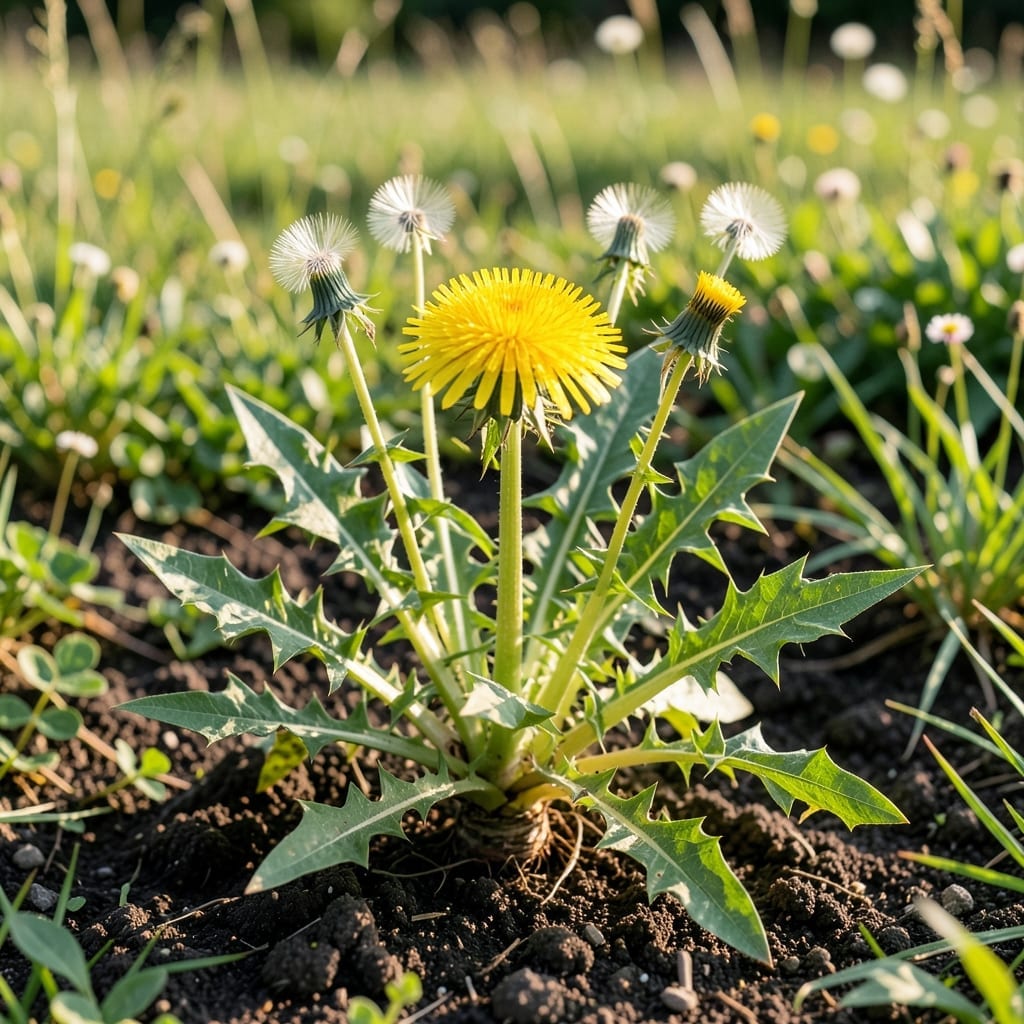
Dandelions may seem like stubborn weeds, but their growth timeline is surprisingly fast and fascinating. These resilient plants can transform your lawn almost overnight.
Understanding the 🌼 Dandelion life cycle helps you manage or even appreciate their presence. From seed to bright yellow flower, the process moves quickly under the right conditions.
Let me walk you through the stages and what affects their speed. You might be amazed at how rapidly these plants establish themselves.


Dandelions grow with remarkable speed that often surprises gardeners. From the moment a seed touches the soil, these plants begin a rapid transformation. I’ve watched dandelions sprout and bloom in as little as 5-7 weeks under ideal conditions.
This quick timeline is what makes dandelions so ubiquitous in lawns and gardens. Their ability to grow almost anywhere, from cracks in pavement to fertile garden beds, showcases their adaptability. Let me break down each stage so you can recognize their progress.
| Stage | Timeframe | Key Changes |
|---|---|---|
| Germination | 7-10 days | Seed sprouts tiny leaves |
| Seedling | 2-3 weeks | Forms a small rosette of leaves |
| Rosette | 3-4 weeks | Leaves grow larger, deep taproot forms |
| Flowering | 5-7 weeks | Bright yellow flowers appear |
The germination stage is incredibly fast. With moist soil and warm temperatures (around 60-75°F), dandelion seeds can sprout in just over a week. This is why they seem to pop up overnight after a spring rain.
Once the seedling emerges, it quickly forms a rosette of jagged leaves. This stage is critical for establishing the plant’s deep taproot, which makes dandelions so hard to pull later. The rosette phase typically lasts 2-3 weeks before flowering begins.
The flowering stage is what most people notice. Those cheerful yellow blooms can appear as early as 5 weeks after germination. Each flower can produce hundreds of seeds, ensuring the cycle continues endlessly.
After flowering, the plant enters the seed dispersal phase. The iconic white puffball forms within days of the flower wilting. A single dandelion can release up to 200 seeds, which are carried by the wind to start the process anew.
I’ve noticed that dandelions grow even faster in disturbed soil. Whether it’s a freshly tilled garden bed or a crack in the driveway, these plants thrive in areas where other plants might struggle. Their adaptability is truly remarkable.
One fascinating aspect is their ability to grow year-round in mild climates. In colder zones, they may die back in winter but quickly regrow from the taproot in spring. This resilience is why they’re so difficult to eradicate completely.
If you’re trying to manage dandelions, understanding this timeline helps. Pulling them before they flower can prevent seed spread. However, because they grow so quickly, you’ll need to be vigilant to stay ahead of their life cycle. 🌼
Several environmental factors can significantly impact how quickly dandelions grow. Understanding these variables helps explain why you might see faster growth in some areas of your yard compared to others. I’ve noticed these plants thrive under specific conditions.
Temperature plays a major role, with dandelions growing fastest in 60-75°F conditions. Cooler temperatures slow germination, while extreme heat can stress the plants. Spring and fall often provide the ideal climate for rapid development.
Soil conditions also make a big difference. Dandelions prefer well-draining soil but can grow in almost any type, including poor or compacted soil. In fact, they often appear first in disturbed areas where other plants struggle to establish.
Sunlight exposure is another key factor. While dandelions can grow in partial shade, they develop most rapidly in full sun conditions. This is why they often flourish in open lawns rather than under dense tree canopies.
Water availability affects growth speed, but dandelions are remarkably drought-tolerant. They can survive with minimal watering, though consistent moisture will accelerate their growth. I’ve seen them thrive even in dry, cracked soil.
Finally, competition with other plants can slow dandelion growth. In a crowded garden bed, they may take longer to establish. But in bare spots of your lawn, they’ll often sprout and spread with impressive speed. This adaptability is why they’re so successful as weeds.
Seasonal changes also play a role. In mild climates, dandelions can grow year-round, while in colder areas, growth slows in winter but resumes vigorously in spring. Their ability to adapt to changing conditions makes them persistent garden visitors. 🌼