
Beautiful Plants For Your Interior
Beautiful Plants For Your Interior
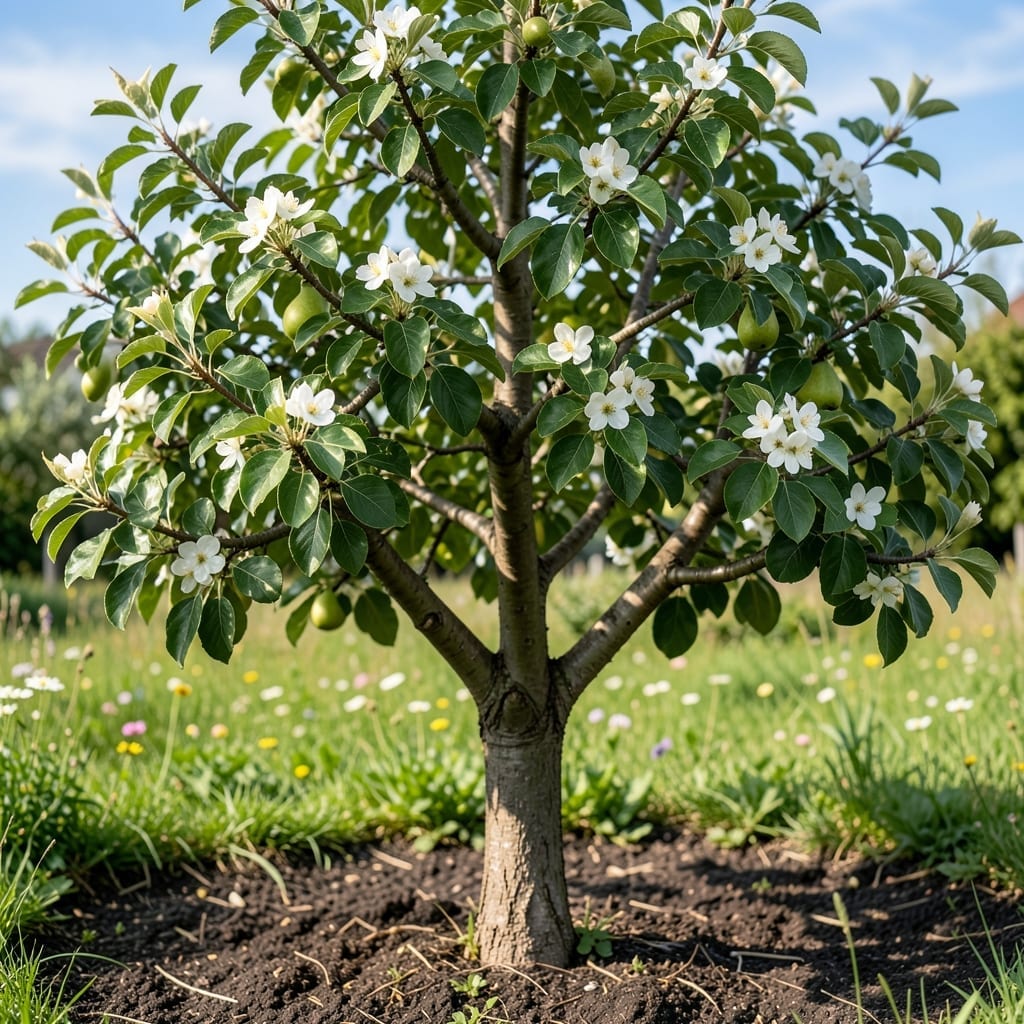
Growing a pear tree is a rewarding long-term investment, but patience is key. Most varieties take years before bearing their first delicious fruit.
Understanding the growth timeline helps set realistic expectations for your home orchard. The 🍐 Pear Tree doesn’t rush its process, but the wait is worth it.
Discover what to expect from planting to harvest, and how to nurture your tree through each stage. Let’s explore the journey together.


When I planted my first pear tree, I quickly learned that this isn’t a fast-growing plant. The journey from sapling to fruit-bearing tree takes significant time and care.
Most pear trees follow a predictable growth pattern, with distinct stages that each require different attention. Understanding these phases helps me plan my orchard care effectively.
| Stage | Timeline | Key Development |
|---|---|---|
| Root Establishment | Year 1-2 | Develops strong root system |
| Structural Growth | Year 3-5 | Branches form, canopy develops |
| First Fruit | Year 5-7 | Produces initial fruit crop |
| Full Maturity | Year 7-10 | Consistent annual harvests |
In the first two years, my pear tree focused entirely on root development. I made sure to keep the soil consistently moist but not waterlogged, as this is critical for young trees.
The structural growth phase from years three to five was fascinating to watch. I pruned carefully to shape the tree and encourage strong branch formation, which is essential for future fruit production.
By year five, I started seeing flower buds form, which was exciting. However, I learned that many trees will produce fewer fruits in their first bearing year as they conserve energy.
The variety of pear tree significantly affects this timeline. Some dwarf varieties may bear fruit as early as year three, while standard trees often take seven or more years to reach full productivity.
I found that proper care can accelerate growth. Regular watering, especially during dry spells, and annual balanced fertilization in early spring made a noticeable difference in my tree’s development.
Climate conditions also play a crucial role. Pear trees in warmer zones (USDA 5-7) often mature faster than those in cooler areas. I noticed my tree grew more vigorously in years with consistent warmth.
Remember that fruit quality improves as the tree matures. While you might get a few pears in year five or six, the most flavorful and abundant harvests typically come after year seven.
🌳
Not all pear trees grow at the same pace. I’ve found that choosing the right variety can significantly impact how soon you’ll enjoy homegrown pears.
Early-bearing types like Bartlett or Anjou can produce fruit in as little as 3-4 years, while standard varieties often take much longer.
| Variety | Years to Fruit | Notes |
|---|---|---|
| Bartlett | 3-4 years | Early producer, sweet flavor |
| Anjou | 4-5 years | Cold-hardy, egg-shaped fruit |
| Bosc | 5-7 years | Firm texture, great for baking |
| Standard Types | 7+ years | Longer wait, larger harvests |
Dwarf varieties often bear fruit sooner due to their smaller size. I’ve seen dwarf Bartlett trees produce pears in just 2-3 years with proper care.
Semi-dwarf types typically take 4-6 years to fruit. They offer a good balance between manageable size and reasonable production time.
I’ve learned that proper pruning and consistent watering can help accelerate fruiting. Removing dead or crossing branches allows the tree to focus energy on fruit production.
Remember that even fast-growing varieties need ideal conditions. Full sun, well-draining soil, and protection from pests will give your pear tree the best chance to fruit early.
🌳