
Beautiful Plants For Your Interior
Beautiful Plants For Your Interior
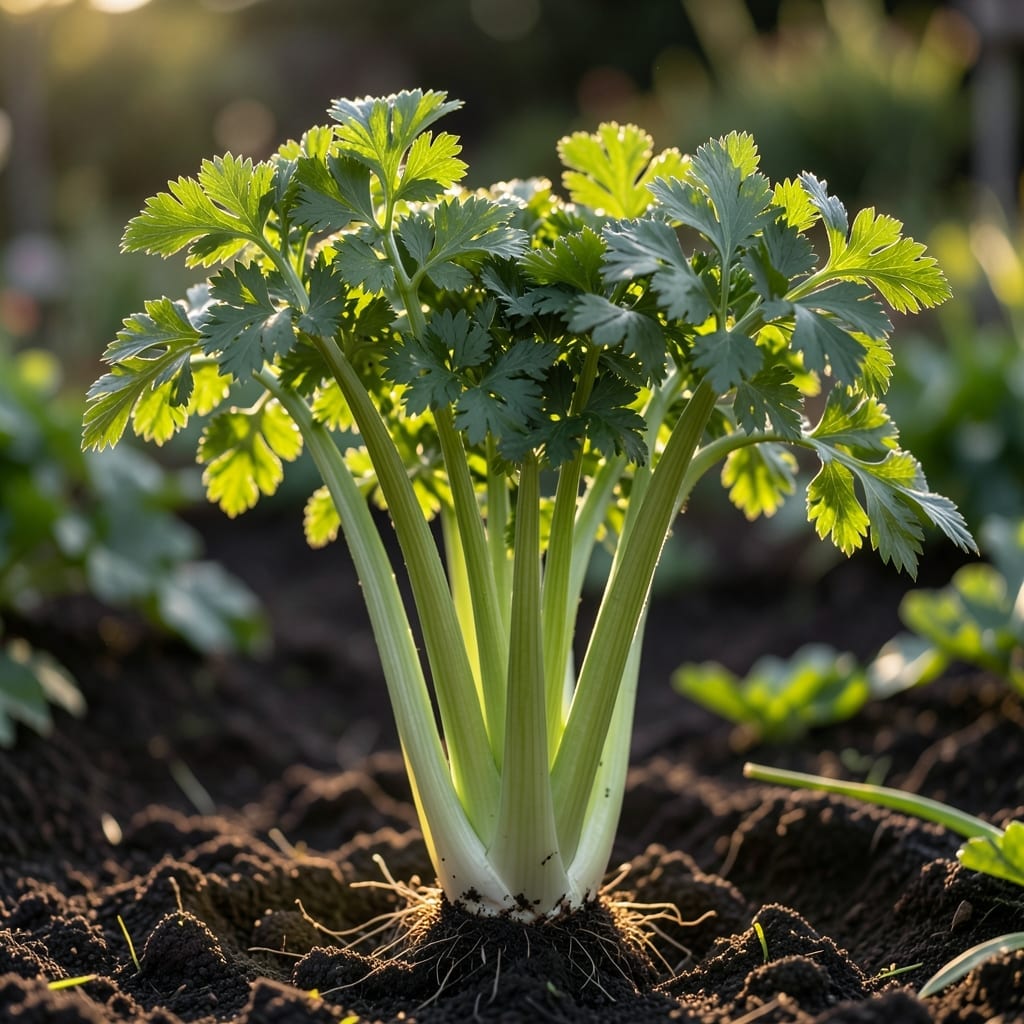
Patience is the key when growing 🥬 Celery—this slow-growing vegetable rewards careful gardeners with crisp, flavorful stalks.
Unlike quick-harvest crops, Celery demands a long-term commitment from seed to harvest. Understanding its unique timeline can make all the difference in your garden’s success.
Let me walk you through what to expect and how to optimize each stage. You’ll discover why this plant is worth the wait.


Growing celery from seed is a test of patience, as this vegetable has one of the longest growth timelines among common garden crops. From the moment you plant those tiny seeds, you’re looking at a 130-160 day journey to harvest.
This slow growth is due to celery’s unique biological needs, including cool temperatures and consistent moisture. I’ve found that understanding each stage helps manage expectations and improves success rates.
| Stage | Timeframe | Key Requirements |
|---|---|---|
| Germination | 14-21 days | Moist soil, 70°F, darkness |
| Seedling | 60-70 days | Cool temps, 12-14 hours light |
| Transplant | 70-80 days | Hardened off, 50-60°F soil |
| Maturation | 100-130 days | Consistent moisture, fertile soil |
| Harvest | 130-160 days | 6-8 inch stalks, firm base |
The germination stage is particularly tricky with celery. Unlike faster-sprouting seeds, celery seeds need constant moisture and warmth to break dormancy. I recommend using a seedling heat mat to maintain soil temps around 70°F.
Once sprouted, the seedling phase requires cool temperatures between 60-70°F. This is why many gardeners start seeds indoors 10-12 weeks before the last frost, giving them a head start before outdoor transplanting.
The transplanting stage is critical. Celery hates root disturbance, so I always use peat pots that can be planted directly into the soil. This prevents the shock that can stunt growth for weeks.
During maturation, celery needs consistent moisture and rich, well-draining soil. I’ve seen plants suffer when soil dries out, as this leads to stringy, bitter stalks. A layer of organic mulch helps maintain even moisture levels.
Finally, harvest time arrives when stalks reach 6-8 inches tall and are thick and crisp. The entire process from seed to harvest typically takes 4-5 months, making celery a true labor of love for dedicated gardeners.
In my experience, the longest delays come from poor germination conditions or transplant shock. Getting these early stages right sets the foundation for a successful 130-160 day growing season.
Remember that temperature fluctuations can significantly impact your timeline. Celery prefers cool weather and may bolt in heat, so timing your planting for spring or fall is ideal in most regions 🌱
While celery’s 130-160 day timeline can’t be drastically shortened, I’ve found several ways to optimize growth and avoid common delays. The key is creating ideal conditions at each stage of development.
Start by pre-soaking seeds for 24 hours before planting. This simple step can reduce germination time by several days, giving your plants a head start on the long journey ahead.
I always recommend using a seedling heat mat during germination. Celery seeds are notoriously slow to sprout, and maintaining a consistent 70°F can cut germination time from 21 days to as little as 10-14 days.
During the seedling phase, provide 14-16 hours of light daily. I use grow lights on a timer to ensure my seedlings get enough light, especially when starting them indoors during winter months.
The transplant stage is where many gardeners lose time. Celery has a sensitive root system, so I always use biodegradable peat pots. This allows me to plant the entire pot, minimizing root disturbance.
For the maturation phase, focus on consistent moisture and rich soil. I add a 2-inch layer of compost around my plants and water deeply twice weekly. This prevents the stringy stalks that result from uneven watering.
Remember that temperature control is crucial. Celery thrives in 60-70°F and may bolt in heat. In warm climates, I plant in partial shade to protect from afternoon sun 🌱