
Beautiful Plants For Your Interior
Beautiful Plants For Your Interior
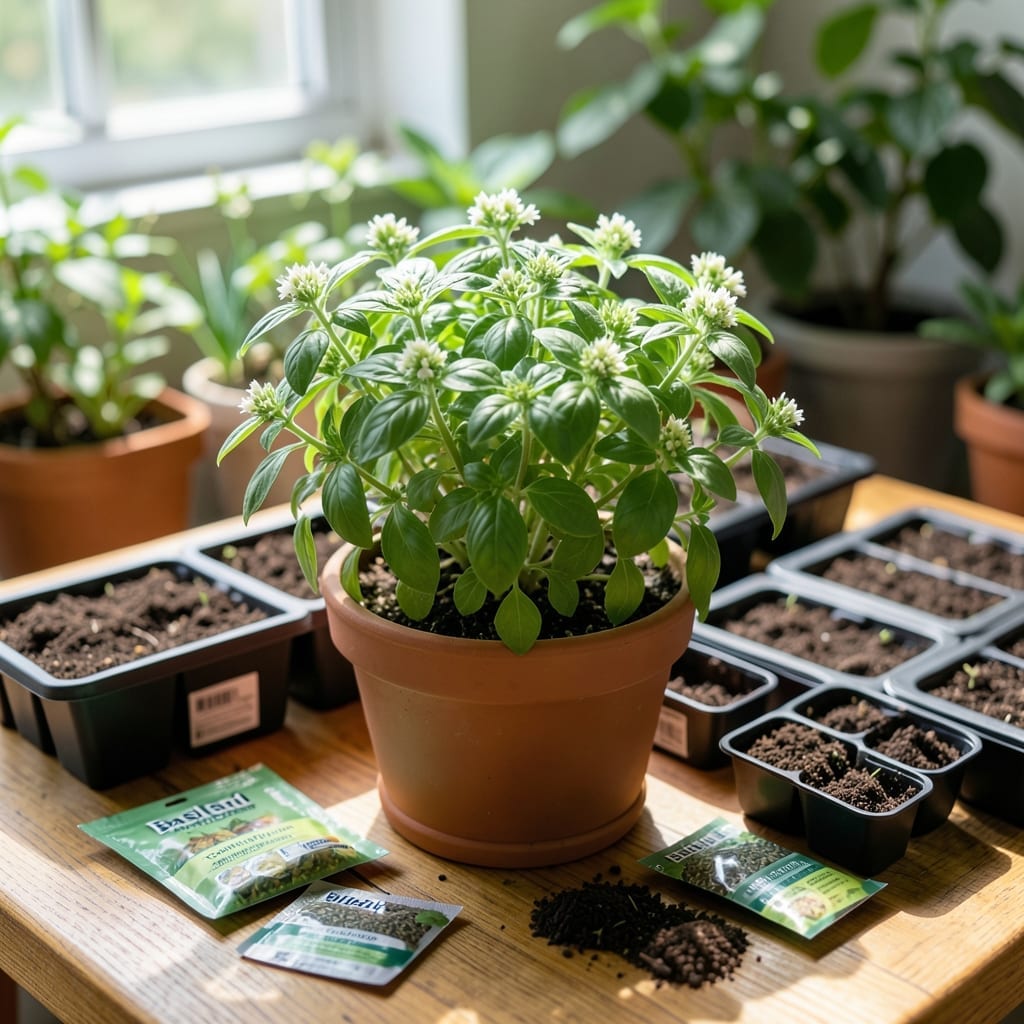
Growing 🌿 Basil from seed is a rewarding experience, but timing is everything. Whether you’re a seasoned gardener or a beginner, knowing the exact timeline helps you plan for a bountiful harvest of this aromatic herb.
I’ve watched countless gardeners struggle with slow growth, only to realize they missed key conditions during the early stages. The difference between a thriving plant and a struggling one often comes down to those first few weeks.
Discover the most efficient way to nurture your Basil from seed to harvest, with practical tips that ensure success every time. Let’s break it down step by step.


If you’re wondering how long basil takes to grow from seed, the answer depends on several factors. Under ideal conditions, you can expect germination in 5-10 days, with the entire process taking 6-8 weeks to reach maturity.
I’ve found that temperature, light exposure, and soil quality play huge roles in speeding up or slowing down this timeline. Let’s break it down stage by stage.
| Stage | Timeframe | Key Conditions |
|---|---|---|
| Germination | 5-10 days | 70-80°F soil, moist |
| Seedling | 2-3 weeks | Bright light, consistent moisture |
| Vegetative | 3-4 weeks | 6+ hours sun, well-draining soil |
| Maturity | 6-8 weeks | Regular water, light feeding |
During germination, keep the soil consistently moist but not soggy. A heat mat can help maintain the ideal 70-80°F temperature for faster sprouting.
Once seedlings emerge, they’ll need plenty of light. I recommend using a grow light if natural sunlight is limited, as leggy seedlings often result from insufficient light.
The vegetative stage is where your basil really starts to take off. At this point, ensure it’s getting 6+ hours of sun daily and that the soil is well-draining to prevent root rot.
By week 6-8, your basil should be 6-8 inches tall with multiple sets of true leaves. This is when you can start harvesting leaves for use, though regular pruning encourages bushier growth.
If you’re growing basil indoors, be mindful that it may take a bit longer due to lower light intensity. A south-facing window is ideal, but supplement with grow lights if needed.
Outdoors, basil thrives in warm weather. Plant after the last frost when soil temperatures are consistently above 50°F. Cold soil will significantly delay germination.
Remember, patience is key. Even under perfect conditions, basil won’t rush its growth. But with the right care, you’ll be rewarded with aromatic leaves in just a couple of months. 🌿
If you want to accelerate basil growth from seed, I’ve got some tried-and-true methods. With the right techniques, you can shave days off the standard 6-8 week timeline and enjoy fresh leaves sooner.
I always start by pre-soaking seeds for 8-12 hours before planting. This softens the seed coat, allowing moisture to penetrate faster and kickstarting germination.
A heat mat is my secret weapon for faster sprouting. Basil seeds germinate best at 70-80°F, and a heat mat ensures the soil stays in this optimal range, especially in cooler homes.
Thinning seedlings is another crucial step. Once true leaves appear, I thin to leave only the strongest plants spaced 6-8 inches apart. This prevents competition for light and nutrients.
For light exposure, don’t rely on a sunny windowsill alone. I use grow lights set 2-3 inches above seedlings for 12-14 hours daily. This mimics ideal sunlight and prevents leggy growth.
Finally, watering technique matters. I use a spray bottle to keep soil moist without disturbing seeds. Once seedlings emerge, I water at the base to keep leaves dry and prevent disease. 🌿