
Beautiful Plants For Your Interior
Beautiful Plants For Your Interior
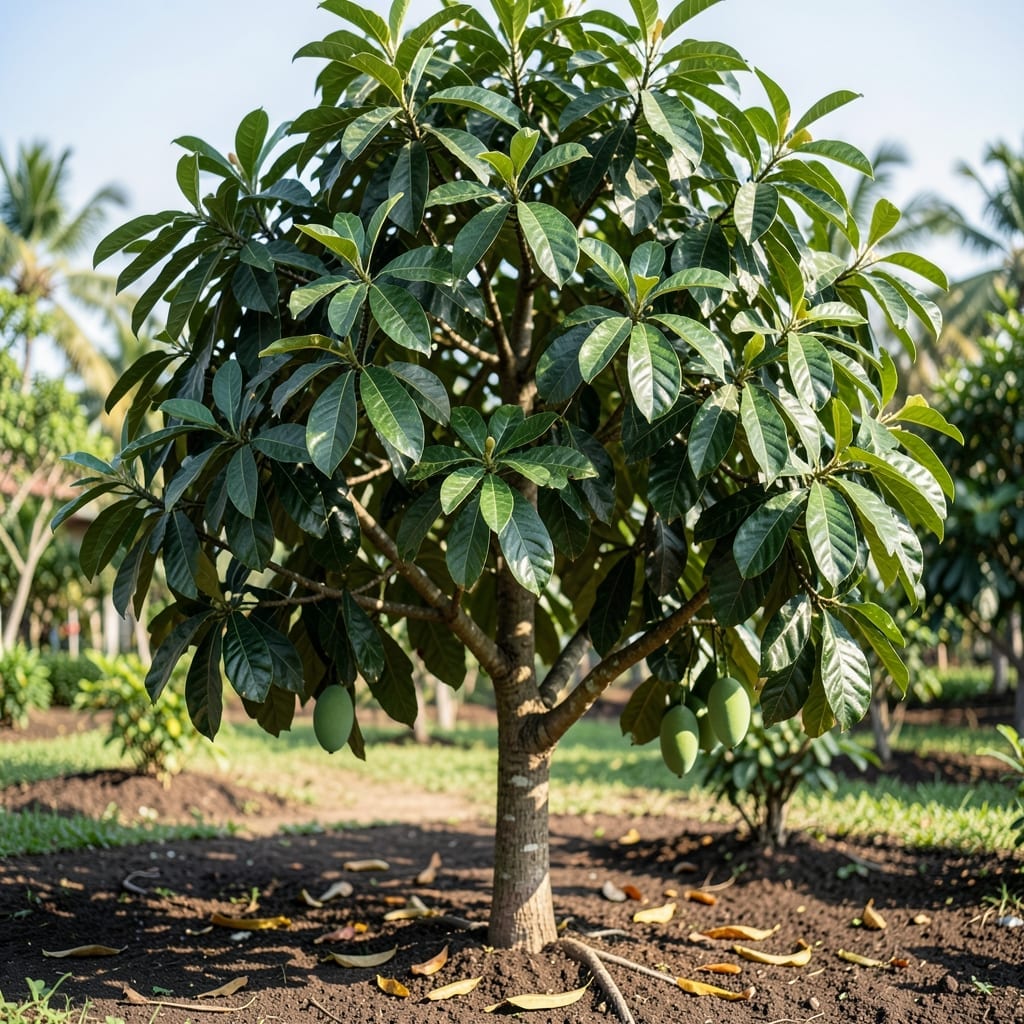
Growing a 🥭 Mango Tree from seed is a test of patience, but the payoff is incredibly sweet. Most people don’t realize these tropical beauties can take 5 years or more before producing their first fruit.
I’ve watched many gardeners plant mango seeds with high hopes, only to be surprised by the slow progress. The truth is, this tree has its own timeline, and understanding it makes the wait far more rewarding.
Discover what to expect during each growth stage and how to give your Mango Tree the best start in zones 10-11. The journey from seed to fruit is longer than you might think, but absolutely worth it.


If you’re wondering how long a mango tree takes to grow, the answer depends on your starting point. From seed, expect a 3-6 year wait before fruit appears. Grafted trees can shave years off this timeline.
Climate plays a huge role in growth speed. In ideal tropical conditions, your tree may fruit faster. Cooler zones will slow progress significantly, making proper site selection crucial.
| Stage | Timeframe | Key Development |
|---|---|---|
| Germination | 2-4 weeks | Sprout emerges from seed |
| Seedling | 1-2 years | Reaches 3-6 feet tall |
| Juvenile | 3-5 years | Develops strong branches |
| First Fruit | 5-8 years | Produces first mangoes |
| Mature Tree | 10+ years | Full production (30-100 ft tall) |
The first two years focus on establishing a strong root system. During this time, your mango tree grows rapidly in height but won’t produce fruit yet. Proper watering and fertilization are critical.
From years 3-5, the tree develops its branching structure. This is when you’ll see significant growth in width. Pruning during this phase helps shape the tree for better fruit production later.
Most mango trees begin flowering in year 4 or 5, but don’t expect a full harvest immediately. The first fruits may be sparse and smaller than mature yields. This is normal as the tree conserves energy for growth.
By year 6-8, your patience pays off with regular fruiting. A mature tree can produce hundreds of mangoes annually. Remember that grafted trees often fruit 2-3 years earlier than seed-grown ones.
Dwarf varieties like ‘Cogshall’ or ‘Ice Cream’ may fruit sooner, sometimes in as little as 3-4 years. These are great for containers or smaller spaces while still delivering delicious fruit.
Throughout all stages, consistent sunlight and well-draining soil are non-negotiable. Mango trees thrive in USDA zones 10-11 and need protection from frost. In cooler areas, consider growing in large containers that can be moved indoors.
I’ve found that trees given proper care from the start establish faster and fruit more reliably. The timeline can vary, but these benchmarks help set realistic expectations for your mango growing journey. 🌳
While mango trees naturally take 5-8 years to bear fruit, I’ve found several ways to accelerate growth and shave years off that timeline. The key lies in providing optimal conditions from day one.
Starting with a grafted tree instead of a seed is the fastest shortcut. These trees often fruit in 3-4 years since they skip the juvenile phase. Choose dwarf varieties like ‘Cogshall’ for quicker results in containers.
I always recommend planting in spring to give your tree the longest growing season. In USDA zones 10-11, this timing helps roots establish before summer heat. Mulching around the base retains moisture and regulates soil temperature.
Another trick is using a heat mat during germination to speed up sprouting. Once planted, staking young trees prevents wind damage and allows them to focus energy on growth rather than recovery.
For fertilization, I follow a seasonal schedule: feed heavily in spring and fall, and light feeding in summer. This mimics the tree’s natural growth cycles and promotes faster maturation.
Finally, avoid overpruning—remove only dead or crossing branches. Too much pruning can delay fruiting. With these tips, I’ve seen mango trees fruit a full 1-2 years earlier than average. 🌱