
Beautiful Plants For Your Interior
Beautiful Plants For Your Interior
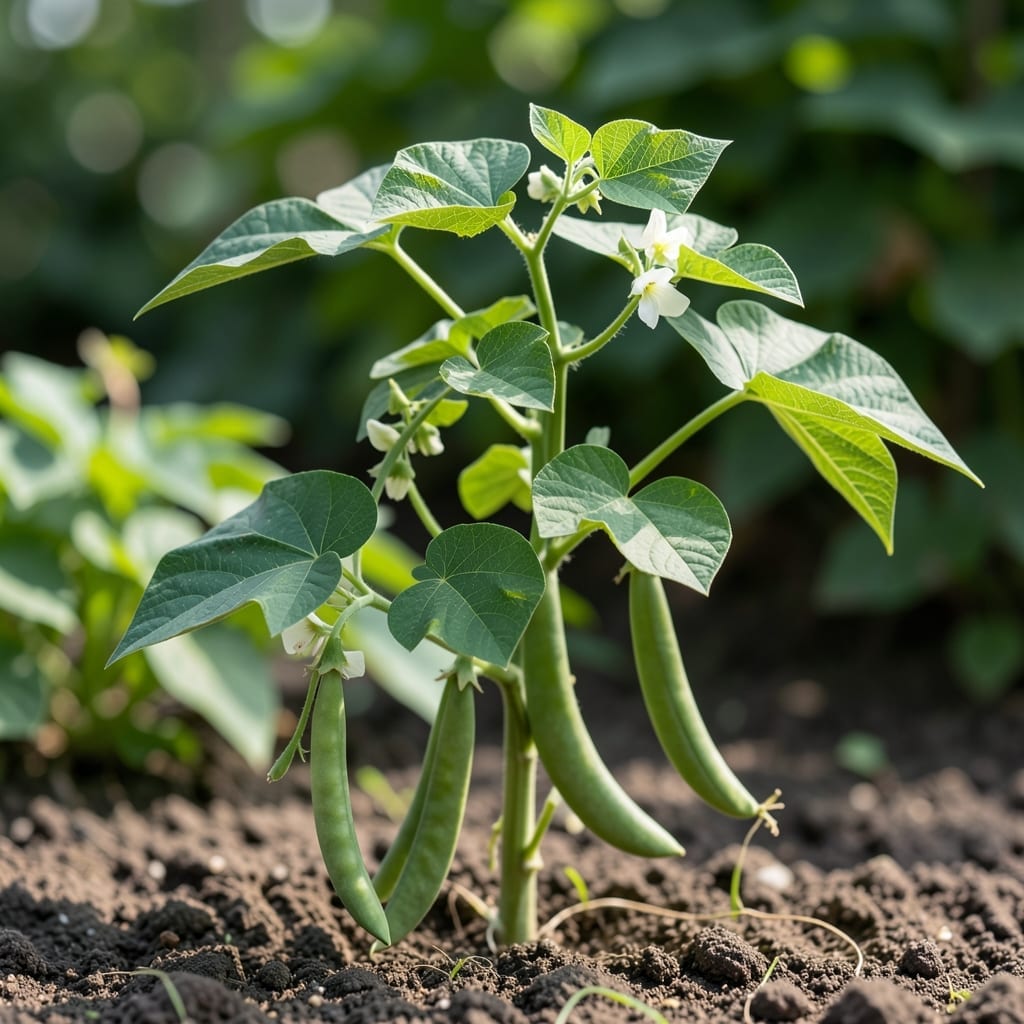
Watching a Bean 🌱 grow from a tiny seed to a towering plant is one of gardening’s most magical experiences. As someone who’s planted countless seeds, I can tell you there’s nothing quite like it.
But how long does this transformation actually take? The answer might surprise you, as it’s not just about planting and waiting. Several key factors come into play.
From the moment you put that first seed in the soil in spring, to the day you harvest fresh pods, the journey is filled with important milestones. I’ll walk you through what to expect.
Discover the typical timeline and learn how to give your Bean plants the best start possible. The results will be worth the wait.

If you’re wondering how long it takes for a beanstalk to grow, the answer depends on the variety. Most bush beans mature in 50-60 days, while pole beans can take 60-70 days to reach harvest stage.
Each growth phase has its own timeline, from the first sprouts breaking through the soil to the flowering stage and finally the development of edible pods. Let me break it down for you.
| Stage | Duration | Key Development |
|---|---|---|
| Germination | 7-14 days | Sprouts emerge from soil |
| Vegetative | 14-21 days | Leaves and stems develop |
| Flowering | 21-28 days | Blossoms appear |
| Pod Formation | 14-21 days | Pods grow and mature |
| Harvest | 50-70 days | Ready to pick |
Pole beans like Kentucky Wonder may take a bit longer because they need to climb. I’ve found they grow 1-2 inches per day once they get going, which is quite impressive to watch.
Bush beans such as Blue Lake are more compact and typically ready for harvest in about 55 days. They don’t require trellising, making them great for small spaces.
For runner beans, expect a timeline of about 60-90 days. These vigorous climbers can reach 6-8 feet tall and produce an abundant crop if given proper support.
The germination stage is critical. I always ensure my soil is warm (at least 60°F) and moist but not waterlogged. This encourages quick and healthy sprouting.
Once the first true leaves appear, your bean plants will start growing rapidly. This is when they need consistent watering and full sun to thrive. I make it a point to check on them daily.
From flowering to pod development, the plant focuses its energy on producing beans. This stage is exciting because you can literally see the pods forming and growing each day.
Remember, these are average timelines. Your local climate, soil conditions, and care routine can all influence how fast your beanstalk grows. But with the right conditions, you’ll be enjoying fresh beans in no time 🌱
If you’re wondering how long your beanstalk will take to grow, the answer depends on several key factors. From my experience, the right conditions can make all the difference in speed and health.
Climate and soil quality are the biggest influencers. Beans thrive in warm soil (above 60°F) and need consistent moisture to avoid stunted growth.
Sunlight is non-negotiable for fast growth. I’ve seen bean plants struggle in shady spots, producing weak stems and fewer pods. Aim for a south-facing location.
Watering is another critical factor. Overwatering causes root rot, while underwatering stresses the plant. I recommend a morning watering routine to keep foliage dry.
Don’t overlook bean variety. Pole beans typically mature in 60-70 days, while bush beans may take 50-60 days. Runner beans often need 70-80 days. 🌿
Finally, soil temperature matters more than you think. I always wait until after the last frost when soil is at least 60°F before planting. This prevents slow germination.
Pro tip: Use a soil thermometer to check conditions before planting. This small step can speed up your timeline significantly. ☀️