
Beautiful Plants For Your Interior
Beautiful Plants For Your Interior
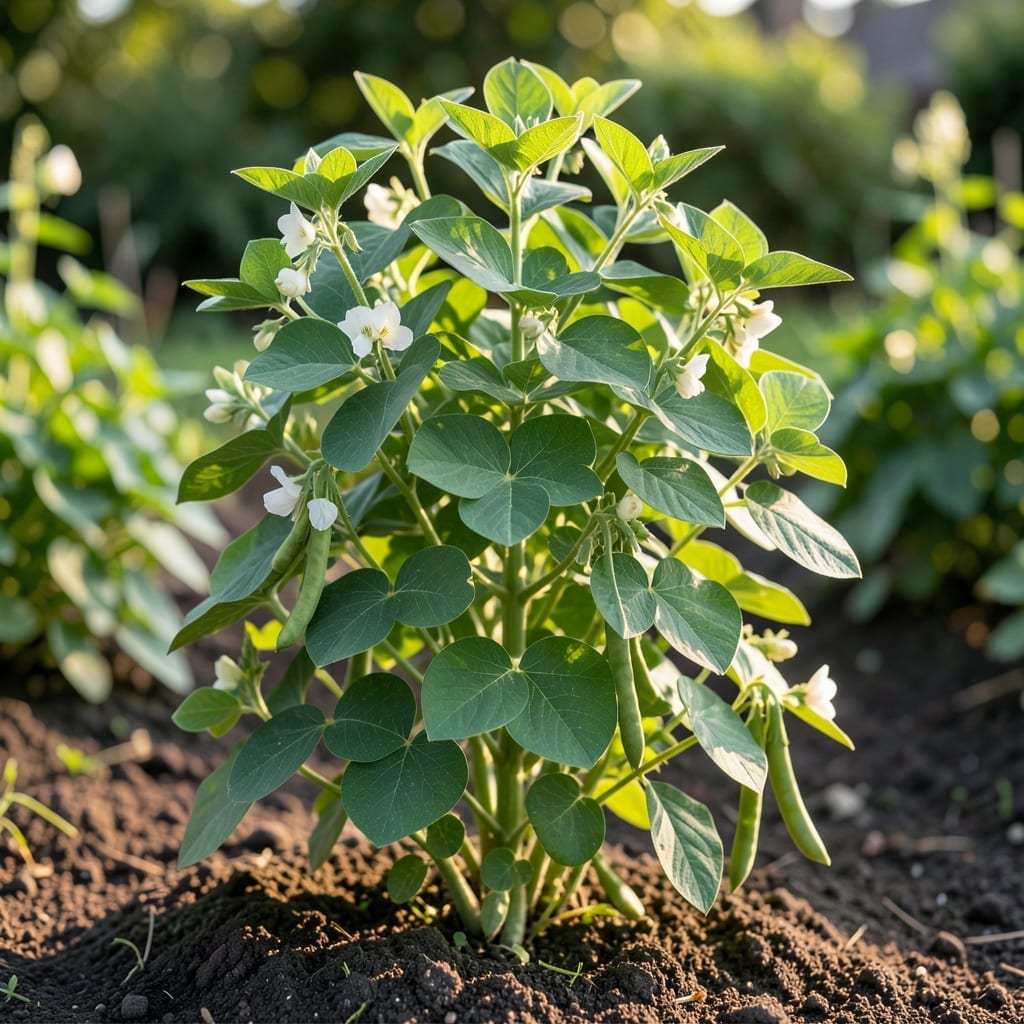
Whether you’re a first-time gardener or a seasoned green thumb, timing is everything when it comes to growing Bean plants. The journey from seed to harvest is both exciting and rewarding, but knowing what to expect makes all the difference.
I remember the first time I planted 🌱 Bean seeds in my garden. Watching those first sprouts emerge was magical, but I quickly learned that patience and planning are key. The growth process isn’t just about waiting—it’s about understanding each stage.
From germination to that first harvest, every phase has its own timeline. Some varieties surprise you with their speed, while others take a little longer to reach their full potential. The good news? You can influence the pace.
Let me walk you through the entire process, so you’ll know exactly when to expect those fresh, crisp pods. Trust me, the wait is worth it.
If you’re wondering how long does a bean plant take to grow, the answer depends on the variety. Bush beans typically mature in 50-60 days, while pole beans may take 60-70 days to reach harvest stage.
From my experience, the journey starts with germination, which takes about 7-10 days in warm soil. The seedlings then develop leaves and vines before flowering begins around 30-40 days after planting.
| Growth Stage | Timeframe | Key Development |
| Germination | 7-10 days | Sprouts emerge from soil |
| Seedling | 10-20 days | First true leaves appear |
| Vegetative | 20-40 days | Vines and foliage grow |
| Flowering | 30-40 days | Blossoms form on plants |
| Pod Development | 40-50 days | Young pods begin to form |
| Harvest Ready | 50-70 days | Pods reach full size |
The flowering stage is crucial because it signals the start of pod formation. I’ve noticed that snap beans often produce their first flowers around 35 days after sowing, with harvestable pods following about 10-15 days later.
For lima beans, the timeline is a bit longer. These varieties usually take 70-90 days to mature, especially in cooler climates. I recommend checking the seed packet for exact days to maturity for your specific variety.
Pole beans grow taller and need support, but they often produce for a longer period than bush beans. While they may take a few extra days to start producing, their vining habit can extend your harvest window by several weeks.
In my garden, I’ve found that soil temperature plays a huge role. Beans planted in 60-70°F soil germinate faster and grow more vigorously than those in cooler conditions. A soil thermometer can be a handy tool here.
The harvest stage begins when pods are 4-6 inches long and firm to the touch. I pick my beans every 2-3 days during peak production to encourage more pod development and prevent the plant from focusing on seed production.
Remember that these timeframes are for ideal conditions. In cooler climates or with less-than-perfect care, your beans might take a bit longer. But with proper sunlight, water, and nutrients, you’ll be enjoying fresh beans in no time.
🌱If you’re wondering how long does a bean plant take to grow, the answer isn’t one-size-fits-all. While most beans mature in 50-70 days, several factors can speed up or slow down the process. I’ve seen bush beans ready in 50 days, while pole beans often need 60-70 days to reach harvest.
Growth speed depends on temperature, soil quality, watering, and sunlight. Beans thrive in warm soil—at least 60°F—and need full sun for at least 6-8 hours daily. Poor soil or inconsistent watering can delay development significantly.
I always recommend testing your soil pH—beans prefer a slightly acidic to neutral pH (around 6.0-7.0). If your soil is too alkaline, amending it with compost or organic matter can make a noticeable difference in growth speed.
Watering consistency is another critical factor. Beans need about 1-2 inches of water per week, but overwatering can lead to root rot. I water my beans in the early morning to allow foliage to dry before evening, reducing disease risk.
Don’t overlook companion planting. Growing beans near corn or cucumbers can improve soil health and growth rates. Corn provides natural support for climbing beans, while beans fix nitrogen in the soil, benefiting nearby plants.
Finally, spacing matters. Crowded plants compete for nutrients and sunlight, slowing growth. I plant bush beans 4-6 inches apart and pole beans 4-8 inches apart with trellises for support. This ensures each plant has room to thrive. 🌱