
Beautiful Plants For Your Interior
Beautiful Plants For Your Interior
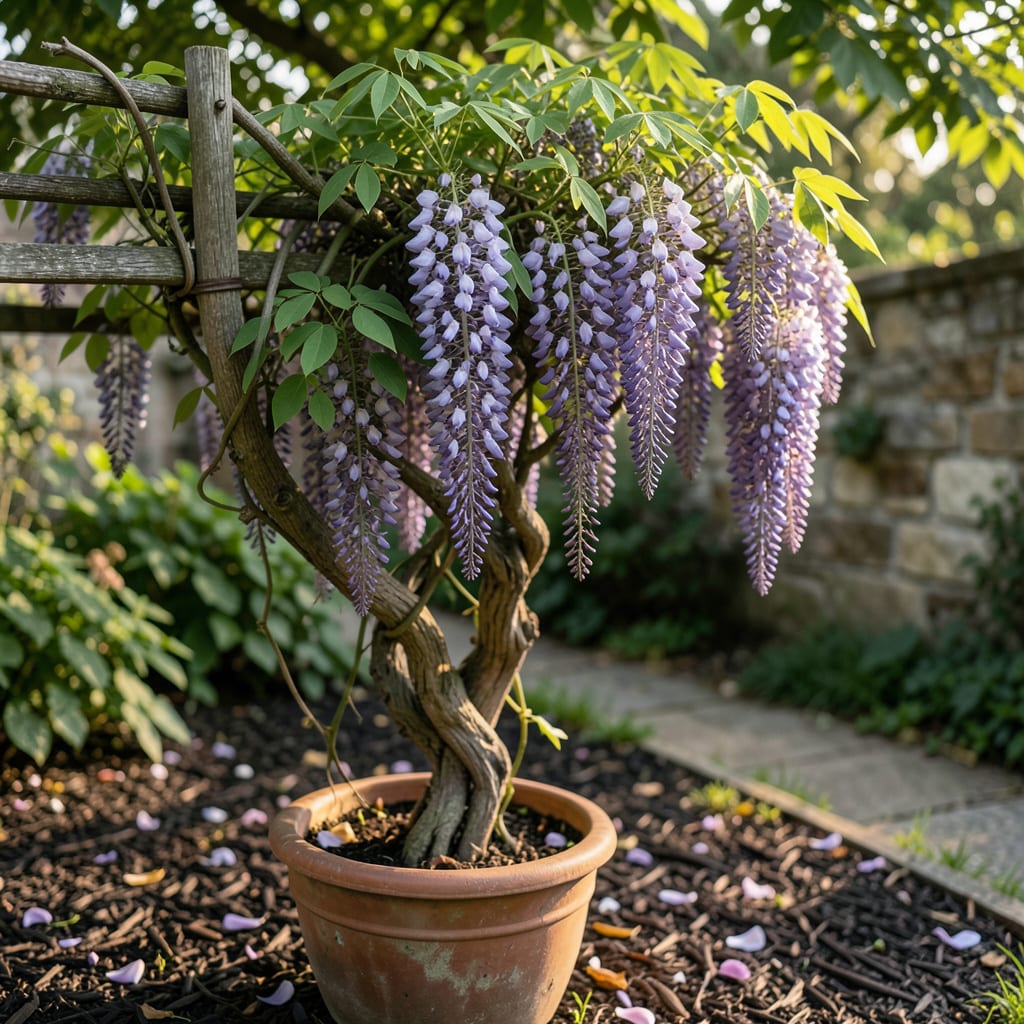
As spring arrives, Wisteria 🌺 bursts into bloom, creating a breathtaking floral display that’s a highlight of the season. But how long can you expect this beauty to last in your garden in USDA Zone 6?
Understanding the blooming cycle of Wisteria is key to maximizing its beauty – let’s explore the factors that affect its flowering duration and how to make the most of this stunning spring spectacle.
Wisteria’s blooming period is a highly anticipated event in spring gardening, typically lasting between 3 to 4 weeks depending on various factors. The exact duration can vary based on the specific variety, climate conditions, and care practices 🌺.
The blooming cycle of Wisteria is influenced by factors such as temperature, sunlight exposure, and soil quality. In general, Wisteria plants produce flowers in late spring, with the exact timing varying by region and climate conditions.
The blooming cycle of Wisteria begins with the formation of flower buds in the previous growing season. These buds remain dormant through winter and burst into bloom when temperatures rise in spring. The flowering period is typically followed by a brief dormant phase before the plant resumes its active growth.
Variety-specific bloom durations can vary significantly. For example, Japanese Wisteria tends to bloom for a shorter period compared to Chinese Wisteria. Understanding these differences is crucial for gardeners looking to maximize their Wisteria’s blooming potential 🌼.
The climate plays a significant role in determining the exact timing and duration of Wisteria blooms. In warmer regions, Wisteria may begin blooming as early as late March, while in cooler areas, the blooming may be delayed until late April or early May.
To fully appreciate Wisteria’s blooming cycle, gardeners should consider both the variety-specific characteristics and the local climate conditions. This understanding will help in planning garden care and maintenance strategies to optimize the blooming period.
By combining knowledge of Wisteria’s natural blooming cycle with appropriate care practices, gardeners can enjoy these stunning flowers for their full potential duration, typically around 3-4 weeks 🌺.
Proper care and maintenance are essential for maximizing the blooming period. Factors such as soil quality, watering practices, and pruning techniques all contribute to the overall health and flowering capacity of the plant.
In conclusion, understanding the factors that influence Wisteria’s bloom duration is key to enjoying these beautiful flowers to their fullest potential. By providing optimal growing conditions and appropriate care, gardeners can maximize their Wisteria’s blooming period 🌼.
To maximize your Wisteria’s blooming season, it’s essential to understand the factors that influence its flowering duration. By implementing the right care practices, you can enjoy these beautiful flowers for a longer period 🌺.
Proper care and maintenance are crucial for extending the blooming season. This includes providing optimal growing conditions, such as full sun and well-draining soil. Wisteria plants thrive in USDA Zone 6, where they can receive the necessary chill hours to produce abundant flowers 🌼.
Prune your Wisteria immediately after it finishes blooming to encourage new growth and promote future flowering. Remove any dead or damaged branches to maintain the plant’s overall health.
Feed your Wisteria with a balanced fertilizer (10-10-10 NPK) during the growing season to promote healthy growth and flowering. Avoid over-fertilizing, as this can lead to excessive vegetative growth at the expense of flowers.
Ensure your Wisteria receives full sun (6+ hours of direct sunlight) to promote healthy growth and flowering. In USDA Zone 6, Wisteria can tolerate the local climate conditions, but adequate sunlight is essential for optimal blooming 🌞.
By following these tips, you can enjoy a longer and more vibrant blooming season from your Wisteria.
In addition to proper care, understanding the specific needs of your Wisteria variety is crucial for maximizing its blooming potential. Different varieties may have unique requirements, so be sure to research the specific needs of your plant 🌺.
With the right combination of care and attention, you can enjoy your Wisteria’s beautiful flowers for an extended period. By implementing these strategies, you can make the most of your Wisteria’s blooming season and enjoy its stunning floral displays 🌼.
Regular maintenance is key to extending the blooming season. This includes regular watering, mulching, and monitoring for pests and diseases. By keeping your Wisteria healthy and thriving, you can enjoy a longer and more vibrant blooming season 🌺.
When growing Wisteria, gardeners often make mistakes that can significantly shorten the blooming period. Understanding these common errors is crucial for maximizing the flowering season 🌺.
One of the most critical mistakes is improper pruning timing. Pruning at the wrong time can remove flower buds, reducing the blooming display. It’s essential to prune Wisteria immediately after it finishes blooming to avoid cutting off next year’s flowers.
Prune Wisteria immediately after blooming. Avoid pruning in fall or spring before flowering, as this can remove flower buds.
Inadequate care is another factor that can shorten Wisteria’s blooming period. This includes poor soil quality, inadequate watering, and insufficient sunlight. Wisteria requires full sun and well-draining soil to produce abundant flowers 🌼.
Environmental stressors such as extreme temperatures, drought, or excessive rain can also impact Wisteria’s blooming. Gardeners should take steps to protect their plants from these stressors to ensure a healthy and prolonged blooming season.
By avoiding these common mistakes, gardeners can help ensure that their Wisteria blooms for its full potential duration. Proper care and attention to the plant’s needs are essential for maximizing the flowering season 🌺.
Regular monitoring and maintenance are key to preventing issues that can shorten the blooming period. This includes checking for pests and diseases and taking action promptly if any problems are detected.
With the right care and attention, Wisteria can provide a stunning floral display that lasts for several weeks. By understanding and avoiding common mistakes, gardeners can enjoy a longer and more vibrant blooming season 🌼.
Wisteria usually blooms for 3 to 4 weeks in late spring. The exact duration can vary depending on factors like the specific variety, climate conditions, and care practices. Proper care can help maximize the blooming period .
Several factors influence Wisteria’s blooming duration, including variety, climate, sunlight exposure, and soil quality. Understanding these factors can help gardeners optimize their Wisteria’s blooming potential .
Yes, you can extend your Wisteria’s blooming season by providing optimal growing conditions, such as full sun and well-draining soil, and proper care practices like pruning immediately after blooming and fertilizing with a balanced fertilizer during the growing season. Regular maintenance is also key to a longer blooming period .
Common mistakes that can shorten Wisteria’s bloom period include improper pruning timing, inadequate care (such as poor soil quality or insufficient sunlight), and environmental stressors like extreme temperatures or drought. Avoiding these mistakes can help ensure a longer blooming season .
