
Beautiful Plants For Your Interior
Beautiful Plants For Your Interior
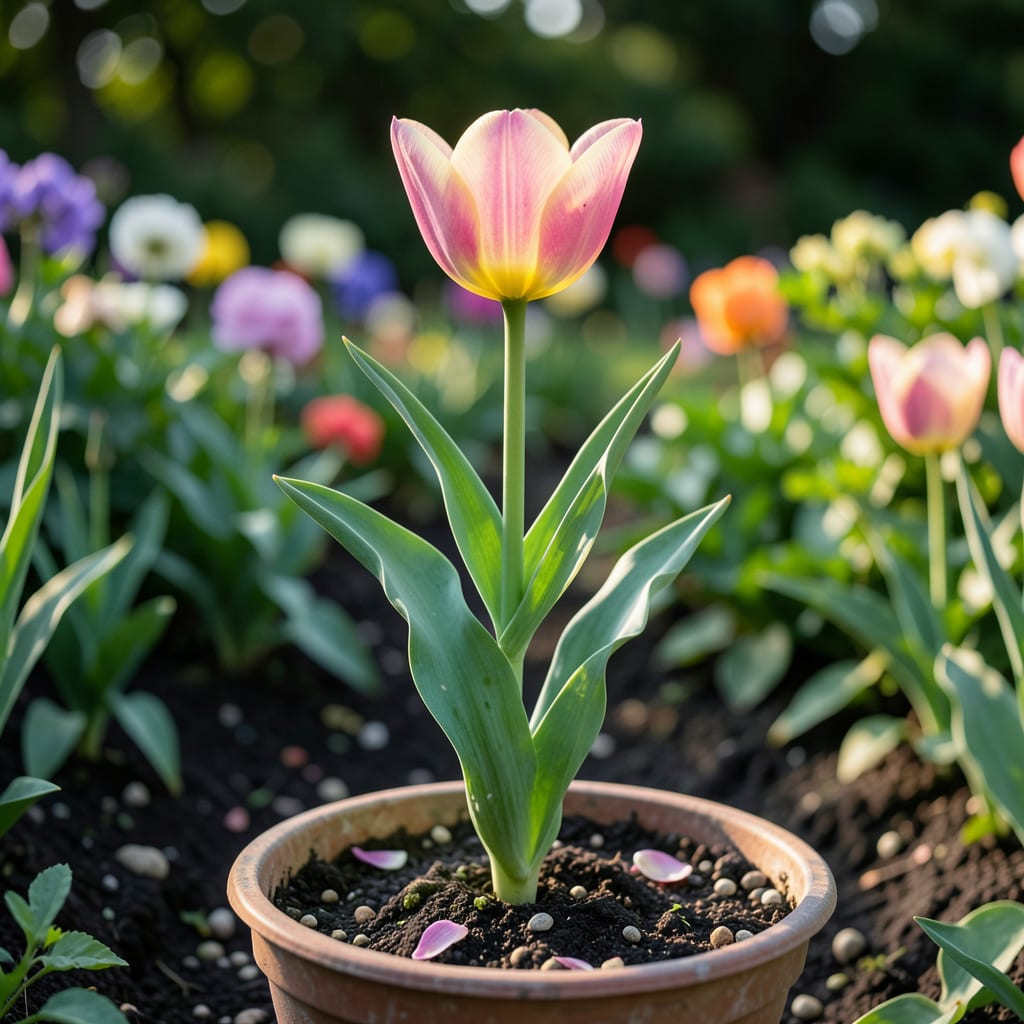
As spring arrives, tulips 💐 burst into bloom, bringing vibrant color to gardens everywhere. But their beauty is fleeting – typically lasting just 3-4 weeks in USDA Zone 6.
Understanding the factors that affect tulip blooming periods can help you make the most of these gorgeous flowers. Let’s explore how to maximize their spring display.
Tulips are one of spring’s most vibrant flowers, but their blooming period can be quite short. The duration of their bloom depends on several factors, including climate, variety, and care practices. Generally, tulips bloom for 1-3 weeks in the spring.
The exact blooming period can vary based on the specific tulip variety, weather conditions, and how well they are cared for. Some tulip varieties are bred to have longer blooming periods, while others may bloom for just a few days.
To maximize the blooming period, tulips should be planted in a location that receives full sun to partial shade and has well-draining soil. Regular watering during their growth period is also crucial. Deadheading, or removing the spent flowers, can help direct the plant’s energy towards re-growing and storing energy for the next year’s bloom rather than seed production.
Different tulip varieties have different blooming periods. Some of the earliest bloomers include species tulips and Fosteriana tulips, which can start blooming as early as late March in USDA Zone 6. Darwin Hybrids and Lily-flowered tulips tend to bloom a bit later, often in mid-to-late spring.
Understanding these factors and choosing a mix of early, mid-season, and late-blooming tulip varieties can help extend the overall tulip blooming season in your garden. By selecting the right varieties and providing optimal growing conditions, you can enjoy tulips for a longer period each spring 🌼.
It’s also worth noting that tulips are perennial in many climates, meaning they will come back year after year if properly cared for. However, in warmer climates, they may need to be treated as annuals or require special care to ensure they return the following year.
For gardeners looking to extend the tulip blooming season, planting a variety of tulips with different blooming times is key. This strategy, combined with good cultural practices like proper planting depth, adequate watering, and appropriate fertilization, can help maximize the bloom duration 🌺.
In addition to choosing the right tulip varieties, gardeners can also take steps to protect their tulips from extreme weather conditions. Late frosts, for example, can damage tulip blooms. Using frost cloth or other protective measures can help safeguard the flowers.
By understanding the factors that influence tulip bloom duration and implementing strategies to extend the blooming period, gardeners can enjoy these beautiful flowers for a longer time each spring. With proper care and planning, tulips can be a stunning addition to any spring garden 💐.
Regular maintenance, such as removing foliage only after it has died back naturally, allows the bulb to store energy for the next year’s bloom. This post-bloom care is crucial for ensuring that tulips continue to thrive and bloom well in subsequent years.
In conclusion, while tulips typically bloom for a few weeks in the spring, their blooming period can be influenced by a variety of factors. By choosing the right varieties and providing optimal care, gardeners can enjoy tulips for as long as possible during the spring season 🌻.
To maximize tulip blooming periods, gardeners can implement several strategies that help extend the flowering season. One effective method is to plant multiple tulip varieties with different blooming times, creating a staggered bloom effect throughout the spring 🌼.
Selecting a mix of tulip types extends the overall blooming season. Early bloomers like species tulips start in early spring, while Darwin Hybrids bloom later.
Planting bulbs 8-10 inches deep protects them from extreme temperatures and prolongs bloom.
Full sun to partial shade and well-draining soil help tulips thrive and bloom longer.
Another critical factor is post-bloom care. Deadheading, or removing spent flowers, helps direct the plant’s energy towards re-growing and storing energy for the next year’s bloom. Allowing the foliage to die back naturally after blooming is also essential, as it enables the bulb to store energy for future blooms 🌺.
By implementing these strategies, gardeners can enjoy a longer tulip blooming season and make the most of these beautiful spring flowers 💐.
Regular maintenance is key to ensuring tulips continue to thrive. This includes proper watering during the growing season and avoiding excessive fertilization, which can negatively impact bloom duration.
For gardeners in colder climates, protecting tulips from late frosts can help preserve the blooms. Using frost cloth or other protective measures can safeguard the flowers and extend their blooming period 🌻.
In conclusion, extending the tulip blooming season requires a combination of careful planning, proper care, and strategic planting. By following these expert tips, gardeners can enjoy tulips for a longer period each spring.
Gardeners often make several common mistakes that can significantly shorten their tulip blooming periods. One of the most critical errors is planting bulbs at the wrong depth. Tulips need to be planted 8-10 inches deep to protect them from extreme temperatures and ensure proper root development.
Avoid common gardening errors that can shorten tulip bloom periods, such as improper planting depth and inadequate watering.
Another mistake is inadequate watering during the growing season. Tulips need regular moisture, especially during their active growth period in spring. Inconsistent watering can lead to weaker bulbs and shorter blooming periods.
Poor post-bloom care is another common error. Failing to deadhead spent flowers can divert the bulb’s energy towards seed production, reducing its energy storage for the next year’s bloom. Additionally, removing foliage too early can prevent the bulb from storing energy for future blooms.
Gardeners should also avoid excessive fertilization, particularly with high-nitrogen fertilizers, as this can promote weak growth and reduce flowering. A low-nitrogen, high-phosphorus fertilizer applied after planting and in spring is more beneficial for tulips.
By avoiding these common mistakes and following proper care practices, gardeners can help ensure their tulips bloom for as long as possible each spring 🌼.
Regular maintenance and attention to detail are crucial for maximizing tulip bloom duration. This includes monitoring weather conditions and protecting tulips from extreme weather events like late frosts using frost cloth or other protective measures.
By being aware of these potential pitfalls and taking steps to avoid them, gardeners can enjoy a longer and more vibrant tulip blooming season 🌻.
Tulips usually bloom for 1-3 weeks in the spring, depending on factors like climate, variety, and care practices. Some varieties bloom longer than others, with species tulips being among the earliest.
Yes, you can extend the tulip blooming season by planting multiple tulip varieties with different blooming times. This creates a staggered bloom effect throughout the spring. Choose early, mid, and late-blooming varieties for the best results.
To maximize bloom duration, ensure tulips receive full sun to partial shade and are planted in well-draining soil. Regular watering during their growth period and deadheading spent flowers can also help. Proper post-bloom care is crucial for future blooms.
Common mistakes include planting bulbs too shallow, inadequate watering, poor post-bloom care, and excessive fertilization. Plant tulips 8-10 inches deep and avoid removing foliage too early to ensure optimal bloom duration.
