
Beautiful Plants For Your Interior
Beautiful Plants For Your Interior
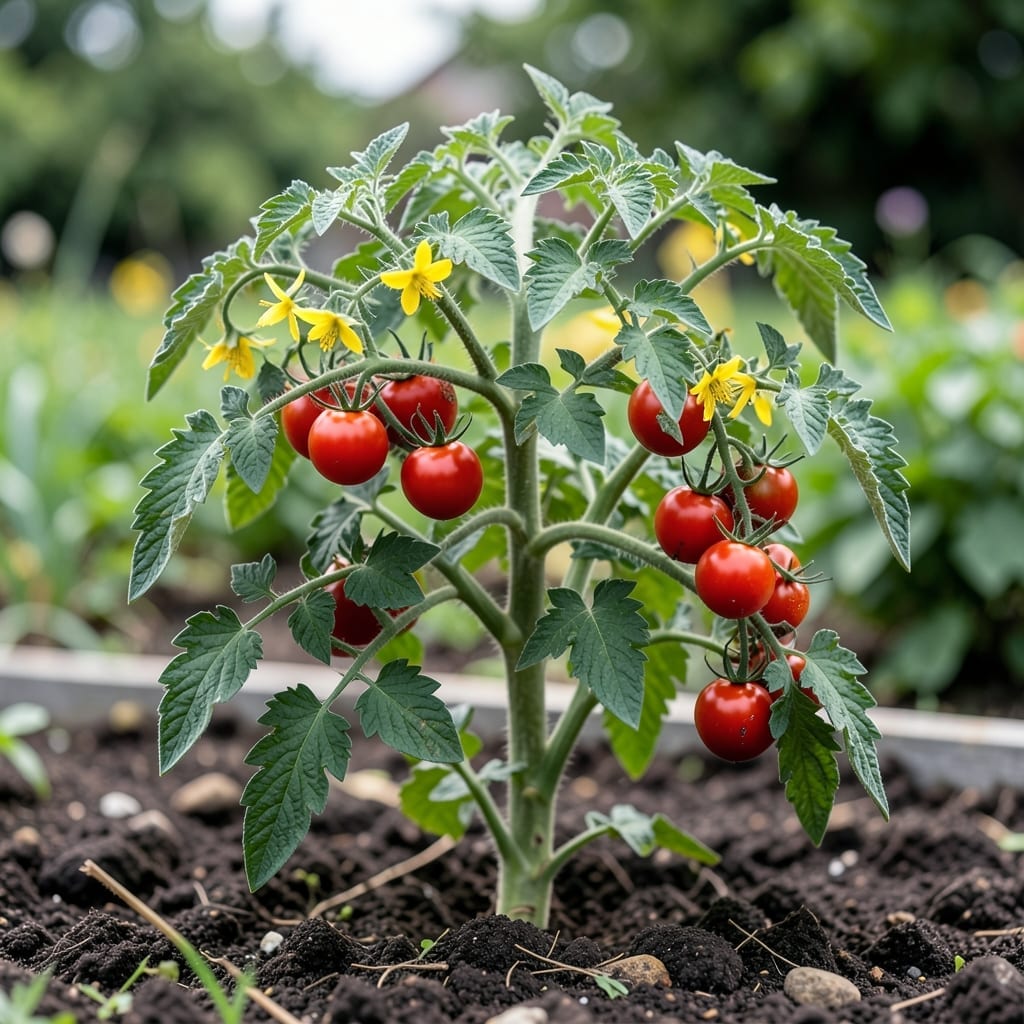
Waiting for your Tomato 🍅 to ripen can test any gardener’s patience. Some varieties surprise you with quick maturity, while others take their sweet time.
I’ve learned that understanding your specific type makes all the difference. Whether you planted early-season or heirloom varieties, knowing their natural timeline helps manage expectations.
Discover how to tell when your plants are ready and what factors might be slowing them down. This knowledge could be the game-changer for your harvest.


Understanding tomato ripening times starts with knowing your variety. Early-season tomatoes like Stupice or Siberian can mature in as few as 50-60 days. These are perfect for cooler climates.
For most gardeners, mid-season varieties such as Brandywine or Better Boy take about 70-80 days to ripen. They offer a balance between quick harvests and rich flavor development.
| Variety | Days to Ripen | Climate Suitability |
|---|---|---|
| Cherry Tomatoes | 50-65 days | Warm climates |
| Beefsteak Tomatoes | 70-85 days | Moderate to warm |
| Heirloom Tomatoes | 75-90 days | Warm climates |
| Paste Tomatoes | 60-75 days | Moderate climates |
Late-season varieties like San Marzano or Black Krim can take up to 85-90 days. These need longer growing seasons but often deliver the most complex flavors. I always plant these in early spring.
Climate impacts ripening times significantly. In cooler regions, even early varieties may take 5-10 extra days. Conversely, in hot climates, tomatoes often ripen faster than expected. ☀️
Watch for visual cues too. Most tomatoes start green and transition through yellow or orange before reaching their final color. Cherry tomatoes often ripen from the inside out, so check their texture.
For paste tomatoes, they typically ripen all at once. I find Roma varieties are ready when they develop a deep red color and feel slightly softer to the touch.
Remember that days to maturity counts from when you transplant seedlings, not from seed. If you started from seed, add about 6-8 weeks to these timelines for accurate planning.
In my experience, consistent watering and proper sunlight are key to hitting these ripening windows. Even the fastest varieties will lag if they’re stressed by drought or poor soil conditions.
Don’t forget that container-grown tomatoes might ripen a bit faster due to warmer soil in pots. Just ensure they get 6-8 hours of sun daily for best results. 🌱
Controlling your tomato ripening speed is easier than you think. I’ve found that temperature adjustments work wonders—warmer conditions (70-75°F) accelerate ripening, while cooler temps (50-55°F) slow it down.
For faster results, try ethylene exposure. Place a ripe banana or apple in a paper bag with green tomatoes. The natural ethylene gas they emit speeds up the process dramatically.
Pruning techniques can also help. I remove lower leaves and suckers to direct more energy to the developing fruit. This often shaves 3-5 days off ripening time.
For slowing ripening, shade cloth works well in hot climates. I use 30-40% shade during peak afternoon hours to prevent sun scald and delay over-ripening.
Remember that inconsistent watering causes blossom end rot and uneven ripening. I maintain steady moisture but reduce water slightly as fruits approach maturity.
Indoor ripening is my secret weapon for late-season tomatoes. I harvest mature green tomatoes before frost and place them in cardboard boxes with a ripe banana. They’ll ripen gradually over 1-2 weeks. 🌱