
Beautiful Plants For Your Interior
Beautiful Plants For Your Interior
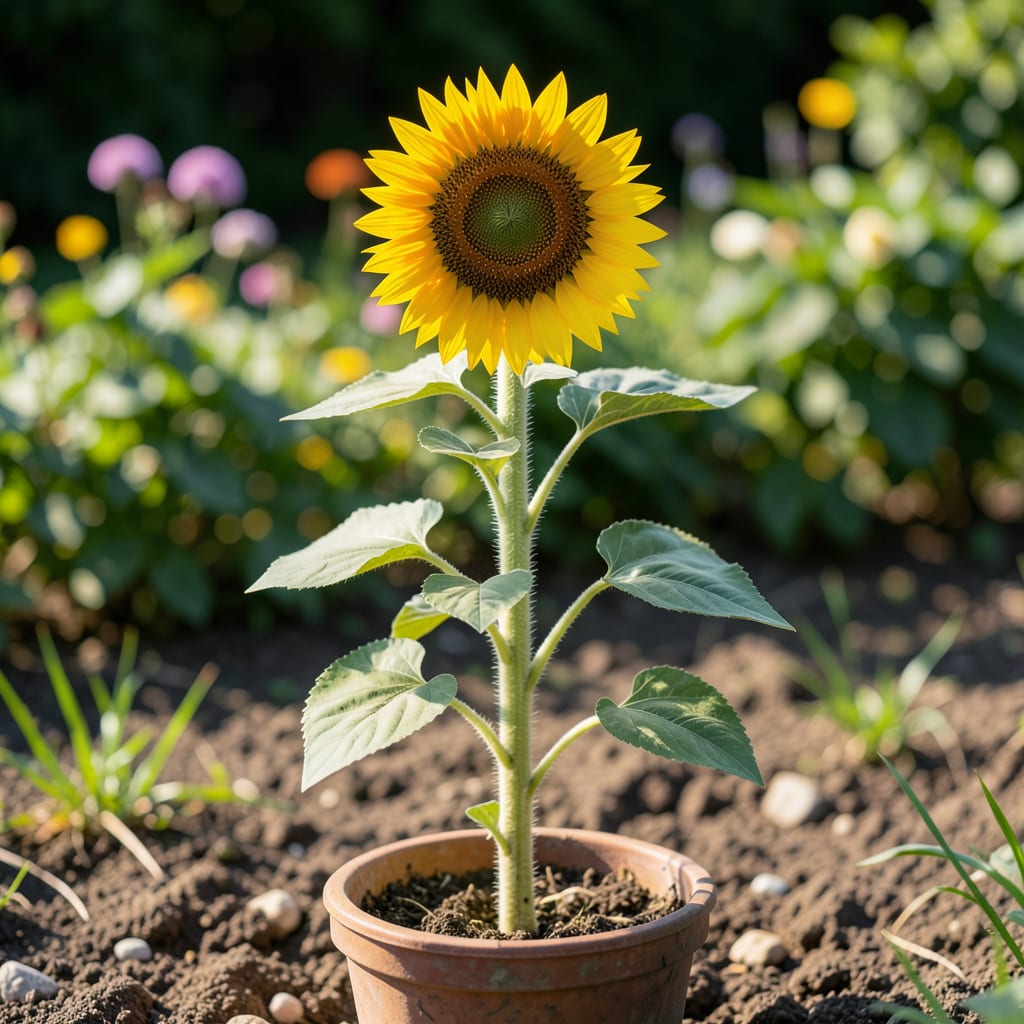
Sunflowers 🌻 bring vibrant beauty to gardens, but their lifespan after blooming is often a mystery. I’ve found that understanding how long they last after blooming helps with garden maintenance and seed harvesting.
Let’s explore what to expect and how to care for your sunflowers after they bloom, ensuring you get the most out of these stunning plants in USDA Zone 6.
Sunflowers typically bloom for 1-3 weeks, but their lifespan after blooming varies depending on factors like weather, soil quality, and variety. Generally, sunflowers can last up to 30 days after blooming before they start to wilt and die 🌻.
The post-bloom period is crucial for seed development and maturation. During this time, the flower head will begin to droop, and the petals will drop off. It’s essential to understand that sunflowers are annual plants, meaning they complete their life cycle within a year.
The seed development stage is critical for gardeners who want to harvest seeds. It’s essential to wait until the seeds are fully mature and dry before harvesting. This usually occurs 10-20 days after the petals have dropped off 🌼.
Weather conditions, such as rainfall and temperature, can significantly impact the lifespan of sunflowers after blooming. For example, excessive rain can cause the plant to rot, while drought can cause it to dry out too quickly.
Different sunflower varieties have varying lifespans after blooming. Some mammoth varieties can last longer than dwarf varieties, for instance. Understanding the specific needs and characteristics of your sunflower variety is crucial for optimal care.
Soil quality also plays a significant role in determining the lifespan of sunflowers after blooming. Nutrient-rich soil with good drainage can help support healthy plant growth and extend the lifespan of the plant.
In USDA Zone 6, sunflowers typically bloom in mid-summer and can last until early fall. Gardeners in this zone should be prepared to provide adequate moisture and support for the plants during this period.
To maximize the lifespan of sunflowers after blooming, gardeners can take several steps, including providing regular watering, fertilizing, and supporting the plants. By following these tips, gardeners can enjoy their sunflowers for a longer period and harvest high-quality seeds.
Overall, understanding the lifespan of sunflowers after blooming is essential for effective garden maintenance and seed harvesting. By recognizing the different stages of the plant’s life cycle and taking steps to support healthy growth, gardeners can get the most out of these beautiful plants 🌻.
Sunflowers can be used as a natural screen or windbreak in gardens, providing a unique benefit for gardeners. Their tall stature and bright blooms make them a popular choice for gardeners looking to add visual interest to their outdoor spaces.
By following the tips outlined above and understanding the lifespan of sunflowers after blooming, gardeners can enjoy these stunning plants for weeks to come and reap the rewards of their beautiful blooms and nutritious seeds.
After sunflowers have bloomed, they require specific care to maximize their lifespan and seed production. I’ve found that proper post-bloom care is crucial for gardeners who want to enjoy their sunflowers for a longer period and harvest high-quality seeds 🌻.
One of the most effective ways to care for sunflowers after they bloom is to provide regular watering and fertilizing. This helps support healthy plant growth and extends the lifespan of the plant.
Remove spent blooms to encourage the plant to focus energy on seed production rather than seed dispersal.
Allow the flower head to dry completely on the stem before harvesting seeds for future planting.
Cut back the stalk to about 6 inches from the ground after the plant has dried out completely to prepare for next year’s growth.
By following these post-bloom care tips, gardeners can enjoy their sunflowers for a longer period and maximize their seed production. Regular maintenance is key to getting the most out of these beautiful plants 🌼.
In addition to deadheading, seed saving, and stalk management, gardeners should also be aware of potential pests and diseases that can affect sunflowers after they bloom. Regular monitoring and organic pest control methods can help prevent damage to the plants.
It’s also important to note that different sunflower varieties have varying needs when it comes to post-bloom care. Some varieties may require more frequent watering or fertilization, while others may be more resistant to pests and diseases.
By understanding the specific needs of your sunflower variety and following the tips outlined above, you can enjoy a bountiful harvest of seeds and beautiful blooms for years to come 🌻.
To maximize sunflower seed production after blooming, it’s essential to understand the factors that affect seed development and maturation. I’ve found that proper care and attention to detail can significantly impact seed quality and yield 🌼.
By understanding these factors and taking steps to optimize them, gardeners can maximize their sunflower seed production and enjoy a bountiful harvest 🌻.
In addition to these factors, gardeners can also take several steps to maximize sunflower seed production, including providing support for the plants, monitoring for pests and diseases, and harvesting seeds at the right time.
By following these tips and understanding the factors that affect seed production, gardeners can enjoy a successful harvest and make the most of their sunflower plants 🌼.
Maximizing sunflower seed production requires attention to detail and a commitment to providing optimal growing conditions. By following these guidelines, gardeners can enjoy a bountiful harvest and share their seeds with friends and family 🌻.
Sunflowers usually bloom for 1-3 weeks, depending on factors like weather and variety. This blooming period is relatively short, but the plants can last longer after blooming.
After blooming, sunflowers enter a seed development stage that lasts 10-20 days. During this time, the petals drop off, and the flower head begins to droop. The seeds will mature and dry, making them ready for harvest.
Yes, proper post-bloom care is crucial for maximizing seed production and extending the plant’s lifespan. This includes regular watering, fertilizing, and monitoring for pests and diseases. By following these tips, you can enjoy your sunflowers for a longer period.
Sunflower seeds are ready to harvest when the back of the flower head turns yellow, the petals have dropped off, and the seeds are plump and dry. This typically occurs 10-20 days after the petals have dropped. Check the seeds regularly to ensure they’re not too dry or damaged.
