
Beautiful Plants For Your Interior
Beautiful Plants For Your Interior
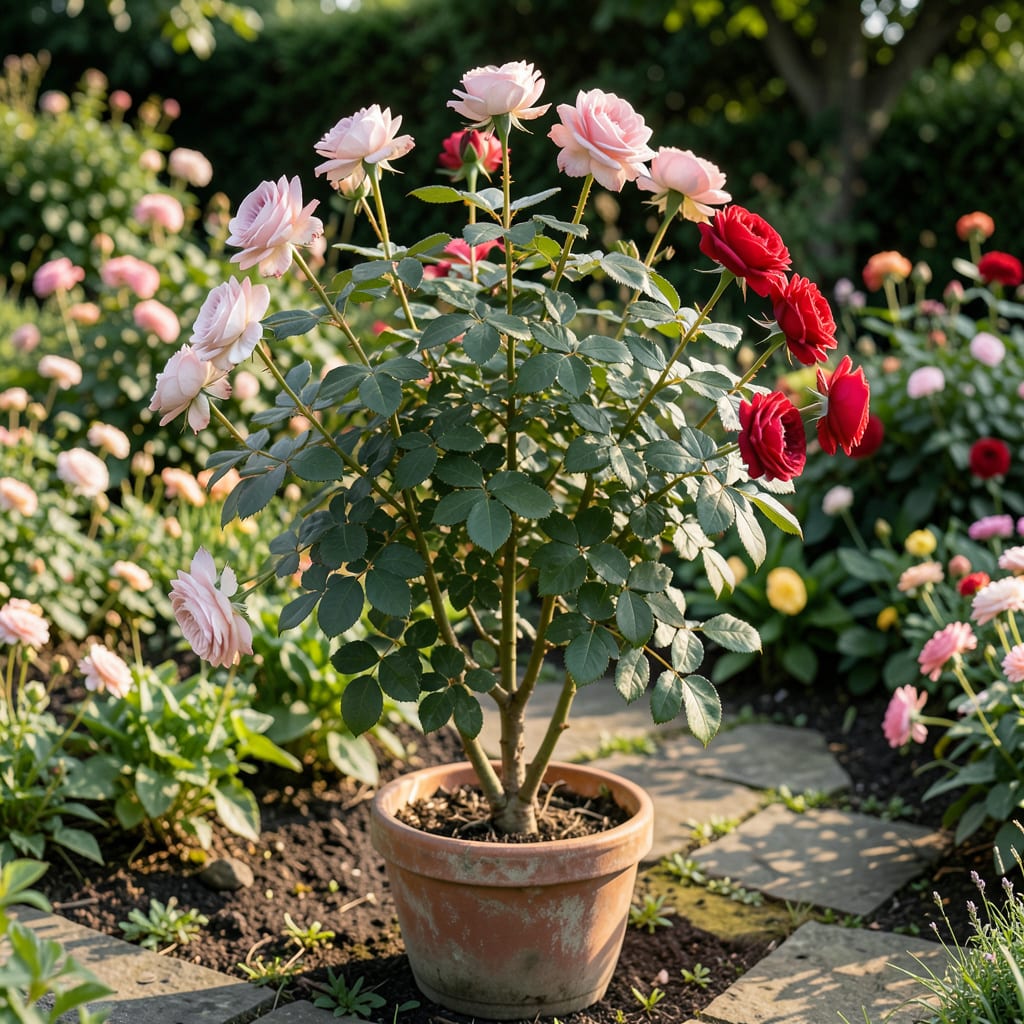
As a rose enthusiast, I’ve often wondered: how long do these beautiful 🌹 flowers take to bloom? The waiting game can be challenging, but understanding the factors that influence blooming time can help you plan and care for your roses more effectively.
Roses typically take 60-120 days to bloom after planting, depending on factors like variety, growing conditions, and care practices in your General location within USDA Zone 6. Let’s explore what you can do to encourage these gorgeous flowers to bloom faster.
Understanding how long roses take to bloom requires examining several critical factors that influence their growth and flowering. The blooming period of roses can vary significantly based on the type of rose, growing conditions, and care practices 🌹.
Different rose varieties have distinct blooming periods. For instance, hybrid tea roses typically take longer to bloom compared to floribunda roses. The average blooming time for roses ranges from 60 to 120 days after planting.
The climate and weather conditions play a significant role in determining how long roses take to bloom. Roses thrive in temperatures between 65°F to 75°F (18°C to 24°C). Extreme weather can delay or accelerate blooming 🌼.
Soil quality is another crucial factor. Roses prefer well-draining, nutrient-rich soil with a pH between 6.0 and 6.5. Proper soil preparation can significantly impact the blooming time.
Watering practices also affect rose blooming. Consistent moisture, especially during the growing season, is vital. Roses generally require 1-2 inches of water per week, either from rainfall or irrigation 💧.
Sunlight exposure is essential for rose blooming. Roses need at least 6 hours of direct sunlight daily. Insufficient sunlight can lead to weak and sparse blooming.
Fertilization is key to promoting healthy blooms. Using a balanced fertilizer (10-10-10 NPK) every 4-6 weeks during the growing season can enhance bloom production.
Regular pruning is necessary to encourage new growth and blooming. Pruning should be done in early spring, removing dead and diseased wood to promote healthy development 🌿.
By understanding and managing these factors, gardeners can optimize conditions for their roses to bloom more quickly and abundantly. Proper care and attention to these details can make a significant difference in the blooming period of roses.
Monitoring and adjusting these factors according to the specific needs of your roses will help achieve the best blooming results. With the right conditions and care, you can enjoy beautiful rose blooms throughout the growing season 🌸.
To encourage faster blooming in roses, it’s essential to understand the key factors that influence their growth and flowering. By implementing the right care practices, you can significantly reduce the time it takes for your roses to bloom 🌹.
First, proper pruning is crucial. Pruning your roses in early spring helps remove dead and diseased wood, promoting healthy new growth that leads to more blooms. This process also shapes the plant and encourages better air circulation, which can prevent diseases 🌿.
Ensure your roses receive at least 6 hours of direct sunlight daily. More sunlight typically means more blooms, as roses thrive in full sun conditions ☀️.
Keep the soil consistently moist, especially during the growing season. Roses generally need 1-2 inches of water per week, either from rainfall or irrigation 💧.
Use a balanced fertilizer (10-10-10 NPK) every 4-6 weeks during the growing season. This provides essential nutrients that promote healthy growth and abundant blooming 🌼.
In addition to these practices, maintaining good soil quality is vital. Roses prefer well-draining, nutrient-rich soil with a pH between 6.0 and 6.5. Regularly check your soil condition and amend it as necessary to support optimal rose growth 🌱.
By following these tips, you can create an ideal environment for your roses to bloom more quickly and abundantly. Consistent care and attention to these details will help you enjoy beautiful rose blooms throughout the growing season 🌸.
Monitoring your roses’ response to these care practices and making adjustments as needed will further enhance their blooming performance. With the right conditions and care, your roses will flourish and reward you with stunning blooms 🌹.
Remember, patience and consistent care are key to achieving the best results. By understanding and implementing these strategies, you’ll be well on your way to enjoying a vibrant rose garden 🌺.
When growing roses, it’s essential to avoid common mistakes that can delay or prevent blooming. By understanding these pitfalls, you can take corrective action to ensure your roses bloom beautifully 🌹.
One of the most significant errors gardeners make is improper pruning. Pruning at the wrong time or cutting too much of the plant can stress the rose bush, delaying blooming. It’s crucial to prune roses in early spring, removing dead and diseased wood to promote healthy growth 🌿.
Common errors like overwatering, insufficient sunlight, and poor soil quality can significantly delay rose blooming.
Inadequate sunlight is another common mistake. Roses need at least 6 hours of direct sunlight daily to bloom well. If your roses are not receiving enough sunlight, consider relocating them to a sunnier spot ☀️.
Poor soil quality can also hinder blooming. Roses prefer well-draining, nutrient-rich soil with a pH between 6.0 and 6.5. Regularly check your soil condition and amend it as necessary to support healthy rose growth 🌱.
Overwatering or underwatering can stress the plant and delay blooming. Ensure consistent moisture levels, especially during the growing season. Roses generally require 1-2 inches of water per week, either from rainfall or irrigation 💧.
Incorrect fertilization practices can also impact blooming. Using the wrong type or amount of fertilizer can harm your roses. Use a balanced fertilizer (10-10-10 NPK) every 4-6 weeks during the growing season to promote healthy growth and blooming 🌼.
By avoiding these common mistakes and providing optimal care, you can encourage your roses to bloom more quickly and abundantly. Regular monitoring and adjustments to your care routine will help you achieve the best blooming results 🌸.
With the right conditions and care, your roses will flourish and reward you with stunning blooms. By understanding and addressing these common mistakes, you’ll be well on your way to enjoying a vibrant rose garden 🌺.
Roses typically take 60-120 days to bloom after planting, depending on factors like variety, growing conditions, and care practices. Some rose varieties, like hybrid tea roses, may take longer than others, such as floribunda roses. Proper care can help speed up the blooming process .
Several factors influence rose blooming time, including rose variety, climate, soil quality, watering practices, sunlight exposure, fertilization, and pruning. Understanding and managing these factors can help optimize blooming time .
Yes, you can encourage faster blooming by providing optimal care. This includes proper pruning in early spring, ensuring at least 6 hours of direct sunlight daily, maintaining consistent moisture levels, and using a balanced fertilizer (10-10-10 NPK) every 4-6 weeks during the growing season. These practices promote healthy growth and blooming .
Common errors that can delay blooming include improper pruning, inadequate sunlight, poor soil quality, overwatering or underwatering, and incorrect fertilization practices. Avoiding these mistakes and providing optimal care can help encourage your roses to bloom more quickly and abundantly .
