
Beautiful Plants For Your Interior
Beautiful Plants For Your Interior
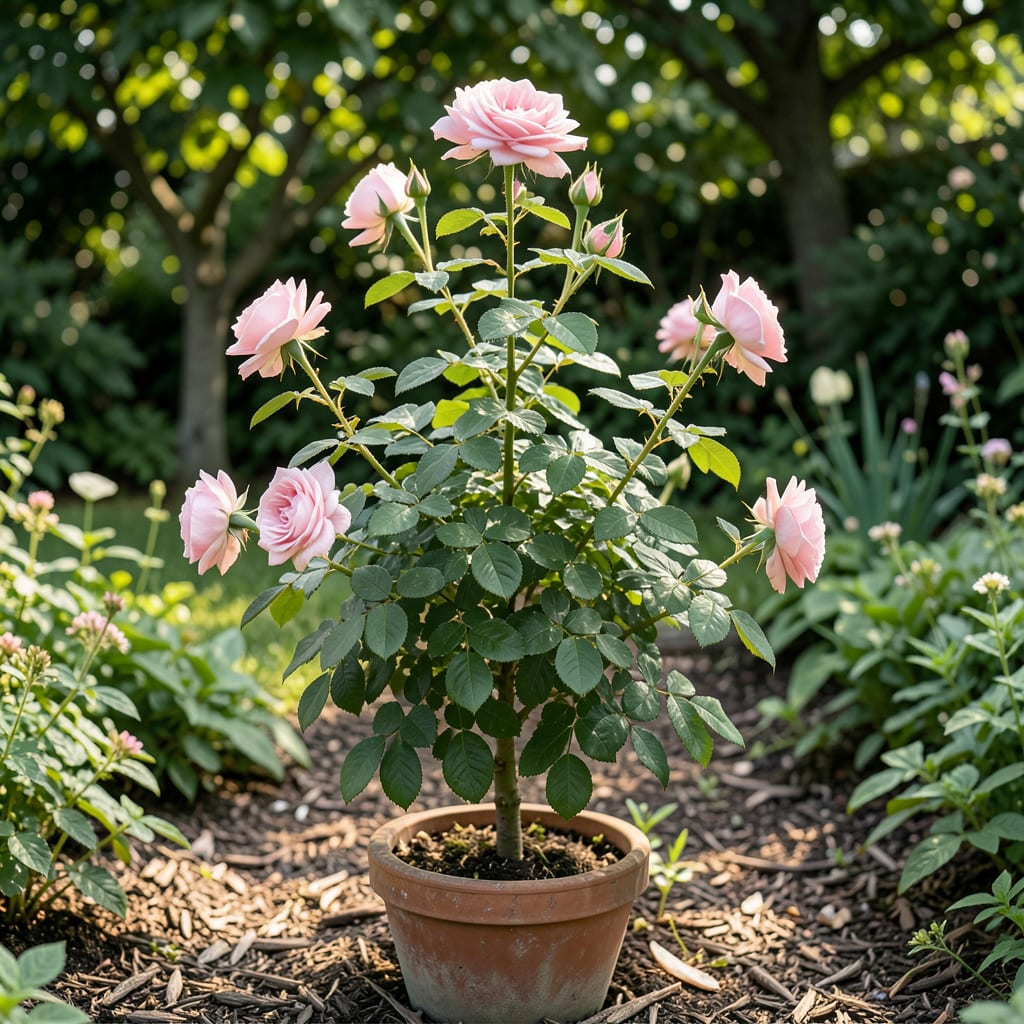
As a rose enthusiast, I’ve always been fascinated by these beautiful flowers 🌹. The blooming period of roses can vary significantly based on factors like variety, care, and growing conditions in your General location.
Understanding what affects their blooming time is key to enjoying these gorgeous blooms for longer – and I’m here to share the essential insights you’ve been looking for about rose blooming duration.
The duration for which roses bloom is a common query among gardeners and rose enthusiasts. As someone who’s spent considerable time tending to these beautiful flowers, I’ve observed that the blooming period can vary significantly based on several factors.
Roses are one of the most beloved garden flowers, and their blooming period is influenced by factors such as variety, care, and growing conditions. Different types of roses have different blooming durations, and understanding these differences is key to enjoying these gorgeous blooms for longer 🌹.
The blooming duration of roses is influenced by various factors including climate, soil quality, and maintenance practices. For instance, roses grown in warmer climates tend to have a longer blooming season compared to those in cooler climates. Similarly, well-draining soil and regular fertilization can promote healthier plants that bloom more profusely.
Understanding the specific needs of your rose variety and providing optimal care can significantly impact their blooming duration. Factors such as sunlight exposure, watering practices, and pruning techniques all play a crucial role in determining how long your roses will bloom 🌼.
Different rose varieties have adapted to various environmental conditions, and their blooming periods reflect these adaptations. By choosing the right variety for your garden and providing appropriate care, you can enjoy a longer and more vibrant blooming season.
For example, English roses are known for their repeated flushes of bloom throughout the growing season, while some climbing roses may bloom only once but with spectacular results. Understanding these characteristics helps gardeners plan their rose gardens effectively.
The care and maintenance of roses also significantly affect their blooming duration. Practices such as deadheading, where spent blooms are removed, can encourage more frequent blooming in certain varieties.
Additionally, fertilization plays a crucial role in promoting healthy growth and abundant blooms. A balanced fertilizer applied at the right time can support the nutritional needs of rose plants, leading to a more prolonged and vibrant blooming period.
It’s also worth noting that pest and disease management is vital for maintaining healthy rose plants. Regular monitoring and appropriate interventions can prevent issues that might otherwise shorten the blooming season.
In conclusion, the blooming duration of roses is influenced by a combination of factors including variety, care, and environmental conditions. By understanding and addressing these factors, gardeners can enjoy a longer and more spectacular rose blooming season 🌹.
By providing optimal growing conditions and following expert gardening advice, you can maximize the blooming duration of your roses and enjoy their beauty for a longer period.
To maximize the blooming duration of your roses, it’s essential to understand the right gardening practices. As someone who’s spent considerable time tending to these beautiful flowers, I’ve found that proper care can significantly impact their blooming period. By following expert tips, you can enjoy a longer and more vibrant blooming season 🌹.
Here are some practical gardening tips to help you extend your rose blooming season. These tips include deadheading, fertilization, pruning techniques, and optimal growing conditions. By implementing these strategies, you can promote healthier plants that bloom more profusely.
Regularly remove spent blooms to encourage more frequent blooming in certain rose varieties. This practice directs the plant’s energy towards producing new flowers rather than seed production.
Use a balanced fertilizer applied at the right time to support the nutritional needs of rose plants. This promotes healthy growth and abundant blooms, leading to a more prolonged and vibrant blooming period.
Prune your roses correctly to optimize bloom production. Remove dead, diseased, or damaged wood, and shape the plant to allow for good air circulation and sunlight penetration.
By implementing these expert tips, you can significantly extend the blooming duration of your roses.
In addition to these tips, it’s essential to be aware of common mistakes that can shorten the blooming period of roses. By avoiding these errors and following best practices, you can maximize the blooming duration of your roses and enjoy their beauty for a longer period.
Regular maintenance, including pest and disease management, is also crucial for maintaining healthy rose plants. By taking a proactive approach to care for your roses, you can promote a longer and more vibrant blooming season.
By following these expert tips and providing optimal care, you can enjoy a longer and more spectacular rose blooming season. With the right strategies and attention to detail, you can maximize the blooming duration of your roses and enjoy their beauty for a longer period 🌹.
As a rose enthusiast, I’ve seen many gardeners unintentionally shorten their rose blooming periods through common mistakes. Understanding these errors and how to correct them is crucial for maximizing your rose blooming season 🌹.
One of the most significant factors affecting rose blooming duration is improper care. By avoiding common gardening mistakes, you can promote healthier plants that bloom more profusely and enjoy a longer blooming season.
Watch out for improper watering, insufficient sunlight, and poor soil quality as these can significantly shorten your rose blooming period.
Improper watering is a common mistake that can negatively impact rose blooming duration. Roses need consistent moisture, especially during their first year of growth. However, overwatering can be just as harmful as underwatering, leading to root rot and other issues 🌿.
Insufficient sunlight is another critical factor that can shorten the blooming period of roses. Most rose varieties require at least 6 hours of direct sunlight per day to bloom well. If your roses are not receiving enough sunlight, consider relocating them to a sunnier spot 🔆.
Poor soil quality can also affect the blooming duration of roses. Roses thrive in well-draining soil that is rich in organic matter. Amending your soil with compost or other organic materials can improve its quality and support healthier rose plants 🌱.
By being aware of these common mistakes and taking steps to correct them, you can promote a longer and more vibrant blooming season for your roses. Regular maintenance and attention to detail are key to maximizing your rose blooming duration 🌹.
In addition to avoiding these mistakes, following the expert tips provided earlier, such as deadheading, fertilization, and pruning techniques, can further enhance the blooming duration of your roses.
By combining these strategies and providing optimal care, you can enjoy a longer and more spectacular rose blooming season. With the right approach and attention to detail, you can maximize the blooming duration of your roses and enjoy their beauty for a longer period.
Different rose varieties have different blooming durations. For example, hybrid tea roses typically bloom for 3-4 weeks per cycle, while floribunda roses are often continuous bloomers throughout the season. Climbing roses usually bloom once in spring or early summer. The blooming duration can vary based on factors like climate, soil quality, and maintenance practices .
Several factors can influence the blooming duration of roses, including climate, soil quality, and maintenance practices. Roses grown in warmer climates tend to have a longer blooming season compared to those in cooler climates. Well-draining soil and regular fertilization can also promote healthier plants that bloom more profusely. Proper care practices like deadheading and pruning can further enhance blooming duration .
Yes, you can extend the blooming season of your roses by following expert tips. Practices like deadheading, fertilization, and pruning techniques can promote healthier plants that bloom more profusely. Additionally, ensuring optimal growing conditions, such as providing at least 6 hours of direct sunlight and maintaining well-draining soil, can also help maximize the blooming duration of your roses .
Common mistakes that can shorten the blooming period of roses include improper watering, insufficient sunlight, and poor soil quality. Overwatering can lead to root rot, while underwatering can stress the plant. Most rose varieties require at least 6 hours of direct sunlight per day to bloom well. Amending your soil with compost or other organic materials can improve its quality and support healthier rose plants .
