
Beautiful Plants For Your Interior
Beautiful Plants For Your Interior
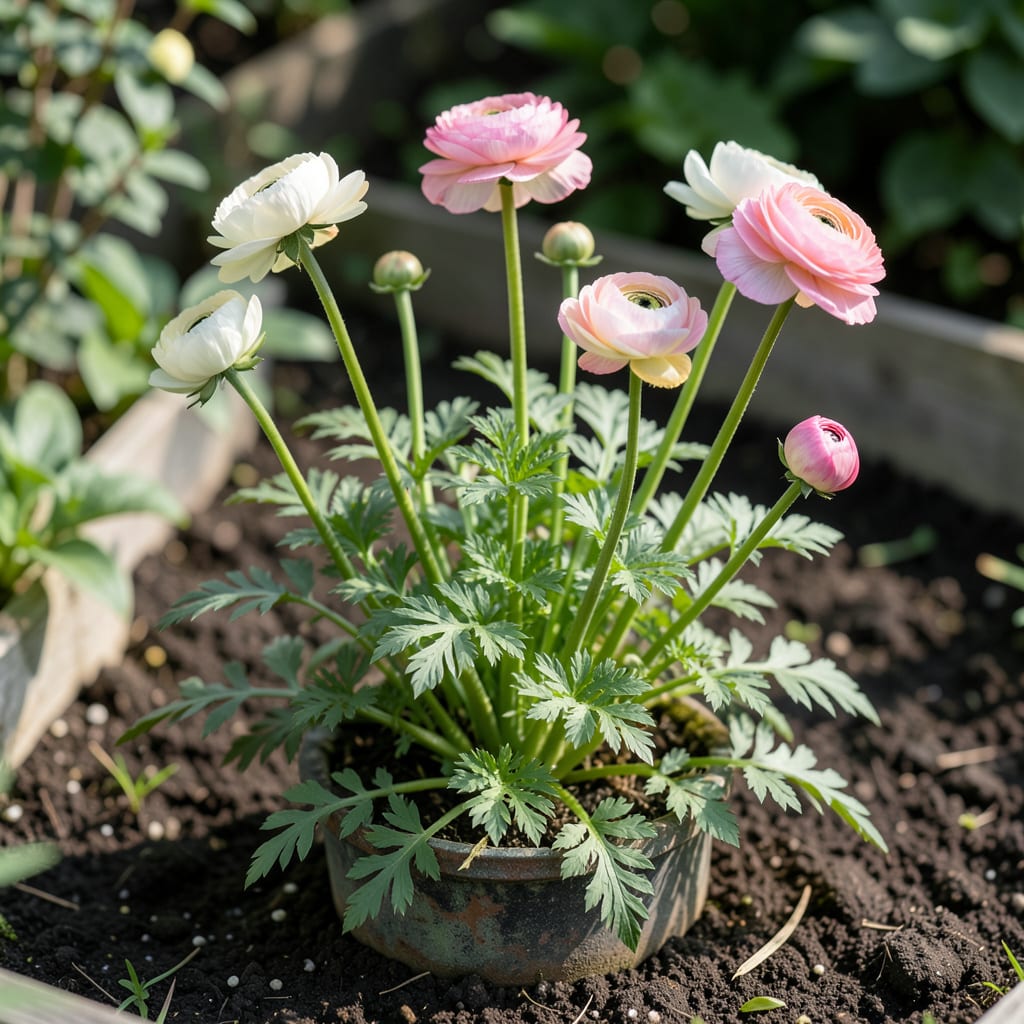
Ranunculus flowers 💐 are a gardener’s delight with their layers of delicate petals and vibrant colors. Understanding their blooming timeline is crucial for successful cultivation in USDA Zone 6.
I’ll guide you through what to expect from planting to blooming, including the typical time frame and factors that affect their bloom time. Let’s dive into the details to help you grow these beautiful flowers.
Understanding how long ranunculus take to bloom is essential for gardeners who want to cultivate these beautiful flowers. Typically, ranunculus take 90 to 120 days to bloom after planting the tubers. This period can vary depending on several factors, including the variety of ranunculus, growing conditions, and care practices.
I recommend planting ranunculus tubers in early spring or fall, when the weather is cooler. In USDA Zone 6, the ideal planting times are September to November or March to May. During this time, the tubers will start to grow, and with proper care, they’ll bloom in about 3 to 4 months 🌼.
The growth cycle of ranunculus can be broken down into several stages. First, the tubers sprout, which usually takes 2 to 4 weeks. During this time, it’s essential to keep the soil consistently moist but not waterlogged. As the plants grow, they’ll start to produce leaves and stems, and eventually, they’ll form buds.
After the buds have formed, it’ll take another 2 to 4 weeks for them to bloom. The blooming period is the most rewarding part of growing ranunculus, as the flowers will be in full display for several weeks. With proper care, ranunculus can bloom for 4 to 6 weeks, providing a beautiful display of color in your garden 🌺.
To ensure that your ranunculus bloom on time, it’s crucial to provide them with the right growing conditions. This includes full sun to partial shade, well-draining soil, and regular watering. I also recommend fertilizing your ranunculus with a balanced fertilizer every 2 weeks during the growing season to promote healthy growth and blooming.
In addition to these factors, the variety of ranunculus you’re growing can also impact the bloom time. Some varieties, like ranunculus asiaticus, are known to bloom earlier than others. Researching the specific variety you’re growing can help you better understand what to expect.
Another critical factor is the quality of the tubers. Healthy, firm tubers will produce better results than old or damaged ones. I always recommend purchasing tubers from reputable suppliers to ensure the best chance of success.
By understanding the growth cycle of ranunculus and providing the right conditions, you can enjoy a beautiful display of blooms in your garden. Whether you’re a seasoned gardener or just starting out, ranunculus are a great choice for adding color and beauty to your outdoor space.
It’s also worth noting that ranunculus are sensitive to extreme weather conditions. Frost can damage or kill the plants, so it’s essential to protect them during the winter months. In areas with cold winters, it’s best to lift the tubers after the first frost and store them in a cool, dry place until the next growing season.
Overall, growing ranunculus requires patience and attention to detail, but the reward is well worth the effort. With the right care and conditions, you can enjoy a stunning display of ranunculus blooms in your garden for weeks to come 🌼.
By following these guidelines and tips, you’ll be well on your way to growing beautiful ranunculus that will bloom on time and provide a vibrant display of color in your garden. Happy gardening! 🌺
Several factors can influence how long ranunculus take to bloom. Understanding these factors is crucial for gardeners who want to optimize their blooming period. The variety of ranunculus, growing conditions, and care practices all play a significant role in determining the bloom time.
I recommend considering these factors when growing ranunculus. For instance, temperature and light exposure can significantly impact the blooming period. Ranunculus typically thrive in cooler temperatures between 40°F to 70°F (4°C to 21°C).
To optimize ranunculus bloom time, ensure they receive full sun to partial shade and maintain consistent moisture during the growing season.
Soil quality is another critical factor. Ranunculus prefer well-draining soil that’s rich in organic matter. I recommend amending the soil with compost or well-rotted manure to improve its fertility and drainage 🌿.
Watering practices also impact the blooming period. Ranunculus need consistent moisture during the growing season, but overwatering can be detrimental. I recommend watering them once a week, depending on weather conditions 💧.
Fertilization is another essential factor. Feeding ranunculus with a balanced fertilizer every 2 weeks during the growing season can promote healthy growth and blooming. I recommend using a fertilizer with a 5-10-10 NPK ratio for optimal results 🌼.
By understanding and controlling these factors, you can optimize the blooming period of your ranunculus and enjoy a beautiful display of flowers in your garden. Whether you’re a seasoned gardener or just starting out, paying attention to these details can make a significant difference in the success of your ranunculus 🌺.
In summary, the key factors that affect how long ranunculus take to bloom include temperature, light exposure, soil quality, watering practices, and fertilization. By optimizing these factors, you can promote healthy growth and blooming in your ranunculus.
To get the most out of your ranunculus, it’s essential to optimize their growing conditions. I’ll share some expert tips on how to encourage timely and abundant blooming 🌼.
Plant ranunculus tubers in early spring or fall when the weather is cooler. In USDA Zone 6, the ideal planting times are September to November or March to May.
Ensure ranunculus receive full sun to partial shade and maintain consistent moisture during the growing season. Use well-draining soil that’s rich in organic matter.
Feed ranunculus with a balanced fertilizer every 2 weeks during the growing season. Use a fertilizer with a 5-10-10 NPK ratio for optimal results.
By following these tips, you can optimize the blooming period of your ranunculus and enjoy a beautiful display of flowers in your garden 🌺.
Another critical factor is deadheading. Removing spent flowers can encourage the plant to produce more blooms. I recommend deadheading your ranunculus regularly to promote continuous blooming 💐.
Monitoring for pests and diseases is also crucial. Keep an eye out for signs of pests or diseases, and take action promptly if you notice any issues. This will help prevent damage to your plants and ensure they continue to bloom beautifully 🌿.
In summary, optimizing ranunculus bloom time requires attention to detail and proper care. By planting at the right time, providing optimal growing conditions, fertilizing regularly, deadheading, and monitoring for pests and diseases, you can enjoy a stunning display of ranunculus blooms in your garden 🌼.
Ranunculus typically take 90 to 120 days to bloom after planting the tubers. This timeframe can vary depending on factors like the variety, growing conditions, and care practices. Proper care can help ensure they bloom on time .
Several factors influence ranunculus blooming time, including temperature, light exposure, soil quality, watering practices, and fertilization. Optimizing these factors can promote healthy growth and timely blooming .
While you can’t drastically speed up the blooming process, you can optimize growing conditions to encourage timely blooming. This includes providing full sun to partial shade, maintaining consistent moisture, and fertilizing regularly with a balanced fertilizer .
Common mistakes that can delay blooming include overwatering, inadequate light, and poor soil quality. Avoiding these mistakes and providing optimal care can help ensure your ranunculus bloom on time .
