
Beautiful Plants For Your Interior
Beautiful Plants For Your Interior
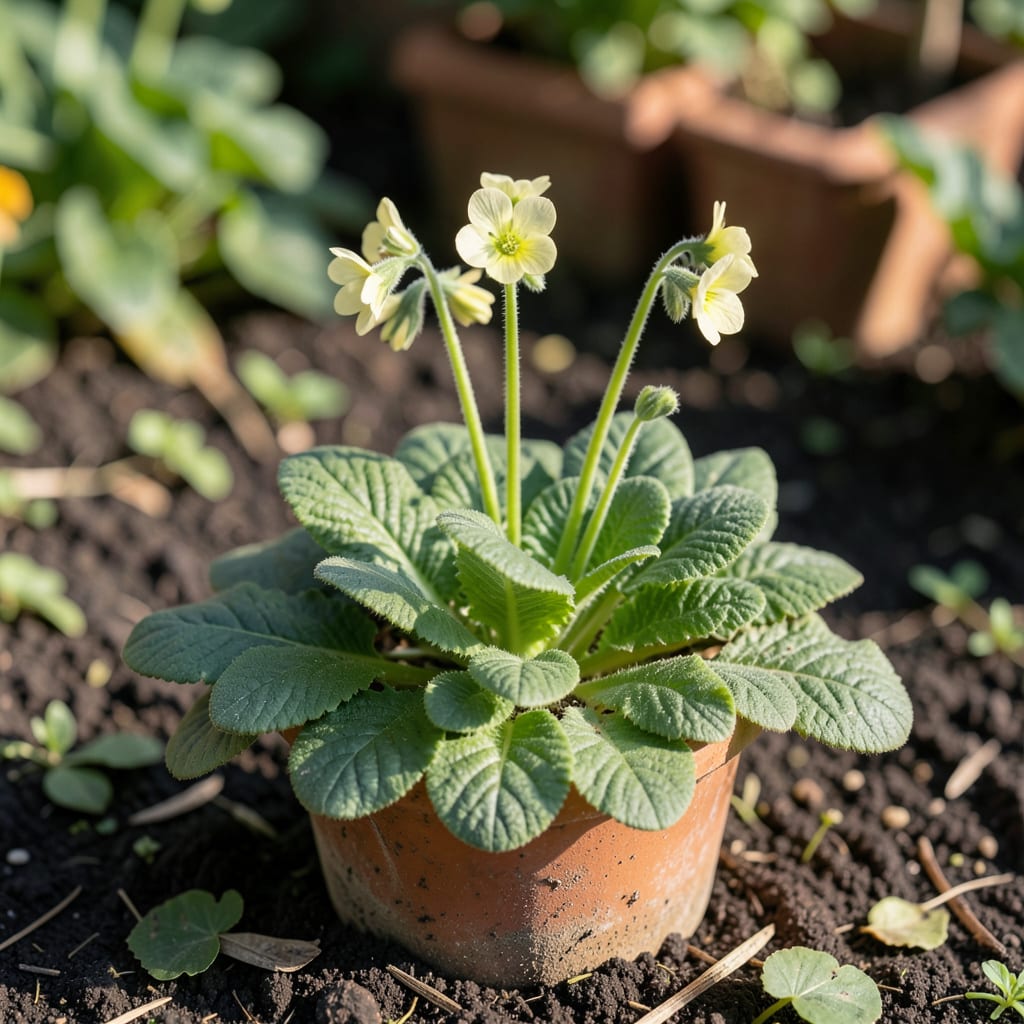
As spring arrives, 🌼 Primrose flowers burst into bloom, bringing vibrant colors to gardens in USDA Zone 6. Their blooming period is a welcome sight after winter, but how long can you expect these beautiful flowers to last?
The duration of Primrose blooms depends on several factors, including weather conditions and proper care. By understanding these elements, you can extend the flowering season and enjoy your Primrose flowers for longer. Let’s explore the details.
Primrose flowers are a welcome sight in early spring gardens, but their blooming period can vary significantly based on several factors. Understanding these elements helps gardeners maximize their display and enjoy the flowers for longer. The typical blooming period for Primrose is between 3 to 6 weeks, but this can be influenced by weather conditions, variety, and proper care 🌼.
Several factors affect how long Primrose bloom, including temperature, sunlight, and watering. Primrose generally thrive in cool temperatures and partial shade, making spring or fall ideal for blooming. Extreme heat can shorten the blooming period, while consistent moisture and proper care can help extend it.
The Primrose plant is known for its vibrant colors and relatively long blooming period compared to other spring flowers. On average, Primrose flowers bloom for about 3 to 6 weeks, with some varieties lasting longer than others. The blooming period can be influenced by factors such as climate, soil quality, and gardening practices 🌺.
In USDA Zone 6, where Primrose is well-suited, the blooming typically occurs from early spring to late spring. Gardeners can expect the flowers to start blooming in March and continue through May, depending on the specific variety and weather conditions.
Weather conditions play a significant role in the blooming duration of Primrose. Cooler temperatures and adequate moisture can help prolong the blooming period, while extreme heat or drought can shorten it. Gardeners should monitor weather forecasts and adjust their care routines accordingly to maximize the blooming season.
Different Primrose varieties also have different blooming periods. Some varieties are bred for longer blooming, while others may have a more compact blooming period. Understanding the specific needs and characteristics of the variety you are growing can help you better manage its blooming period.
To make the most of your Primrose blooming season, it’s essential to understand the factors that affect their duration. By providing optimal growing conditions and adjusting your care practices, you can enjoy these beautiful flowers for as long as possible. Regular deadheading, fertilization, and proper watering can all contribute to a longer blooming period 🌻.
Gardening practices such as mulching and pruning can also impact the blooming duration of Primrose. Mulching helps retain soil moisture and regulate temperature, while pruning spent flowers encourages the plant to produce more blooms. By adopting these practices, gardeners can create an optimal environment for their Primrose to thrive.
In addition to these factors, soil quality plays a crucial role in the blooming duration of Primrose. The plants prefer well-draining soil rich in organic matter. Ensuring that your soil is properly prepared and maintained can help support a healthy and prolonged blooming period.
By understanding the factors that influence the blooming duration of Primrose and implementing proper care practices, gardeners can enjoy these beautiful flowers for a longer period. Whether you’re a seasoned gardener or a beginner, paying attention to the needs of your Primrose plants will help you maximize their blooming potential 🌼.
Overall, the blooming period of Primrose is a delightful aspect of spring gardening. With the right conditions and care, these flowers can bring vibrant colors and joy to your garden for several weeks. By following the tips and guidelines outlined here, you can make the most of your Primrose blooming season and enjoy their beauty to the fullest.
To maximize your Primrose blooming season, it’s essential to provide optimal growing conditions. This includes ensuring the plants receive partial shade and consistent moisture. Primrose generally thrive in cool temperatures, making spring or fall ideal for blooming 🌼.
One effective way to extend the blooming period is through deadheading. Removing spent flowers encourages the plant to produce more blooms, thus prolonging the flowering season. Additionally, fertilizing your Primrose plants with a balanced fertilizer can support healthy growth and more abundant flowering.
Keep the soil consistently moist but not waterlogged. Primrose prefers medium watering about weekly during the growing season.
Use a balanced fertilizer every 4-6 weeks during the growing season to support healthy growth and blooming.
Apply a layer of organic mulch to retain soil moisture and regulate soil temperature.
By implementing these strategies, you can enjoy a longer and more vibrant Primrose blooming season.
Proper watering techniques are also crucial for extending the blooming period. Primrose prefers consistent moisture, so ensure the soil is kept moist but not waterlogged. Watering in the morning allows the plants to dry out slightly before nightfall, reducing the risk of fungal diseases.
In addition to watering, fertilization plays a key role in supporting healthy growth and blooming. A balanced fertilizer applied every 4-6 weeks during the growing season can provide the necessary nutrients for optimal flowering.
Mulching around your Primrose plants can also help extend the blooming season. Mulch retains soil moisture, suppresses weeds, and regulates soil temperature, creating an ideal environment for your Primrose to thrive 🌿.
Overall, by providing optimal care and adjusting your gardening practices, you can enjoy a longer and more vibrant Primrose blooming season. Whether you’re a seasoned gardener or a beginner, following these tips will help you make the most of your Primrose flowers 🌼.
Gardeners often unintentionally shorten their Primrose bloom periods through common mistakes. Understanding these errors helps in taking corrective measures to enjoy longer blooming seasons 🌼.
One of the most common mistakes is overwatering. Primrose prefers consistent moisture but can suffer if the soil becomes waterlogged. Ensuring proper drainage and avoiding excessive watering can help prevent root rot and other issues that shorten the blooming period.
Overwatering can lead to root rot and other issues that shorten the blooming period of Primrose. Ensure proper drainage and avoid excessive watering.
Poor soil conditions are another factor that can negatively impact Primrose blooming. The plants thrive in well-draining soil rich in organic matter. Ensuring your soil is properly prepared can support healthy growth and a prolonged blooming period.
Inadequate sunlight can also affect Primrose blooming. While Primrose prefers partial shade, too little sunlight can result in weak and sparse blooms. Finding the right balance is key to maximizing the blooming season.
To avoid these common mistakes, gardeners should focus on providing optimal growing conditions. This includes proper watering, soil preparation, and ensuring the right amount of sunlight. By doing so, you can enjoy a longer and more vibrant Primrose blooming season 🌻.
Regular monitoring of your Primrose plants is essential. Check for signs of overwatering, underwatering, and nutrient deficiencies. Adjusting your care practices based on the specific needs of your plants can help extend their blooming period.
By being aware of these common mistakes and taking steps to avoid them, you can create an optimal environment for your Primrose to thrive and enjoy their beautiful blooms for a longer period 🌼.
Primrose flowers usually bloom for 3 to 6 weeks, depending on factors like weather conditions and proper care. Some varieties may have longer or shorter blooming periods. Proper care can help extend the blooming season.
Several factors influence Primrose blooming duration, including temperature, sunlight, and watering. Primrose thrive in cool temperatures and partial shade, while extreme heat can shorten their blooming period. Consistent moisture also supports longer blooming.
Yes, you can extend the blooming season by providing optimal growing conditions, including partial shade and consistent moisture. Techniques like deadheading and fertilization can also help prolong the flowering season. Regular care can make a significant difference.
Common mistakes include overwatering, poor soil conditions, and inadequate sunlight. Ensuring proper drainage, preparing well-draining soil, and providing the right amount of sunlight can help avoid these issues and support a longer blooming period.
