
Beautiful Plants For Your Interior
Beautiful Plants For Your Interior
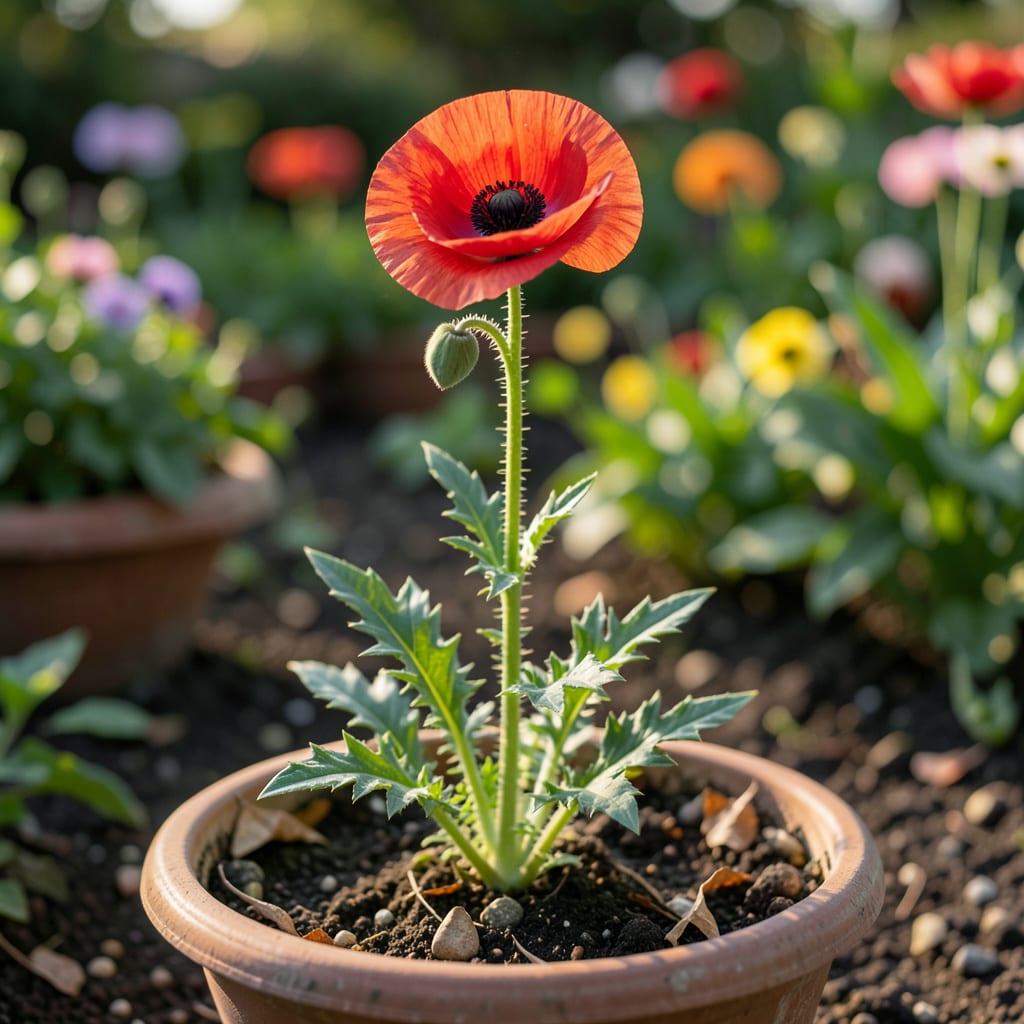
As I watch my Poppies 🌼 burst into bloom, I’m always amazed by their vibrant colors and delicate petals. But have you ever wondered how long these beautiful flowers will grace your garden?
In USDA Zone 6, Poppies typically bloom for several weeks in spring or summer, depending on the variety and growing conditions. Let’s explore the factors that affect their blooming period and how to make the most of their flowering season.
Poppies are known for their vibrant colors and delicate petals, but their blooming period can vary depending on several factors. In general, Poppies bloom for several weeks in spring or summer, with some varieties flowering for longer periods than others 🌼.
The blooming duration of Poppies can be influenced by factors such as weather conditions, soil quality, and sunlight exposure. Understanding these factors can help you make the most of your Poppies’ flowering season.
Different varieties of Poppies have a unique blooming period. For example, Shirley Poppies tend to bloom for a longer period than Oriental Poppies. Understanding the specific needs and characteristics of your Poppy variety can help you optimize their blooming period.
Poppies are typically at their peak bloom for 2-4 weeks, with the exact timing depending on factors such as weather conditions and soil temperature. By providing optimal growing conditions, you can encourage your Poppies to bloom for as long as possible 🌺.
In addition to their blooming period, Poppies are also known for their attractive foliage and long-lasting seed pods. Even after the flowers have faded, Poppies can continue to add interest and beauty to your garden.
To make the most of your Poppies’ blooming period, it’s essential to understand their specific needs and characteristics. By providing the right conditions and care, you can enjoy a longer and more vibrant flowering season 🌼.
Poppies are a popular choice for gardeners due to their easy-to-grow nature and stunning blooms. With proper care and attention, Poppies can thrive in a variety of garden settings, from containers to borders.
By understanding the factors that affect Poppies’ blooming period, you can take steps to optimize their flowering season. This includes providing adequate sunlight, well-draining soil, and regular watering 💧.
In conclusion, Poppies are a beautiful and rewarding addition to any garden. By understanding their blooming period and providing optimal growing conditions, you can enjoy a longer and more vibrant flowering season 🌺.
To maximize the blooming period of your Poppies, it’s essential to provide them with optimal growing conditions. This includes ensuring they receive adequate sunlight, are planted in well-draining soil, and are watered regularly but carefully 🌼.
One effective technique for extending the blooming season is deadheading. By removing spent flowers, you encourage the plant to produce more blooms rather than focusing energy on seed production. This simple practice can significantly prolong the flowering period 💐.
Regular deadheading can encourage Poppies to bloom for several weeks longer than if left unattended.
In addition to deadheading, maintaining optimal soil conditions is crucial. Poppies prefer soil that drains well to prevent root rot. Ensuring good soil quality will help your Poppies thrive and bloom more profusely 🌺.
Watering strategies also play a significant role in extending the blooming season. Poppies need consistent moisture, especially during dry spells, but overwatering can be detrimental. Aim for a balance that keeps the soil moist but not waterlogged 💧.
By implementing these strategies, you can enjoy a longer and more vibrant blooming season from your Poppies. Remember, the key is to provide optimal care and conditions tailored to the needs of your specific Poppy variety 🌼.
Regular maintenance, including weeding and mulching, can also contribute to a healthier and more prolonged bloom. Keeping the area around your Poppies free from weeds reduces competition for nutrients and water.
Combining these tips with the right Poppy variety for your climate and garden conditions will ensure you get the most out of your Poppies’ blooming season. Happy gardening! 🌺
To achieve a continuous display of Poppies throughout the growing season, it’s essential to select a mix of varieties that bloom at different times. This strategic approach ensures that as one variety finishes blooming, another begins 🌼.
Early-blooming Poppies, such as Welsh Poppies, typically flower in early spring. These varieties are ideal for adding a burst of color to your garden after the winter months.
By incorporating a mix of these varieties into your garden, you can enjoy a prolonged and varied display of Poppies. This not only enhances the visual appeal but also attracts a wider range of pollinators throughout the season 🌺.
When selecting Poppy varieties, consider factors such as climate, soil type, and desired bloom time. This thoughtful approach will help you create a dynamic and engaging garden that showcases the beauty of Poppies 🌼.
Combining early, mid-season, and late-blooming Poppies allows you to enjoy their beauty for an extended period. This strategy is particularly effective in creating a vibrant and dynamic garden display 🌺.
To further enhance your garden’s appeal, consider pairing Poppies with other flowers that bloom at complementary times. This creates a continuous display of color and interest throughout the growing season 🌼.
In conclusion, selecting a diverse range of Poppy varieties is key to achieving continuous bloom in your garden. By doing so, you can enjoy the beauty and charm of these flowers for a longer period 🌺.
Poppies usually bloom for 3-6 weeks in spring or summer, depending on the variety and growing conditions. Some varieties, like Shirley Poppies, tend to bloom for longer periods than others, such as Oriental Poppies.
To maximize the blooming period, ensure your Poppies receive adequate sunlight, are planted in well-draining soil, and are watered regularly but carefully. Deadheading spent flowers can also significantly prolong the flowering period.
Yes, by selecting a mix of early, mid-season, and late-blooming Poppy varieties, you can enjoy a prolonged display of Poppies throughout the growing season. This strategic approach ensures that as one variety finishes blooming, another begins.
Factors such as weather conditions, soil quality, and sunlight exposure can influence the blooming duration of Poppies. Understanding these factors can help you optimize their flowering season.
