
Beautiful Plants For Your Interior
Beautiful Plants For Your Interior
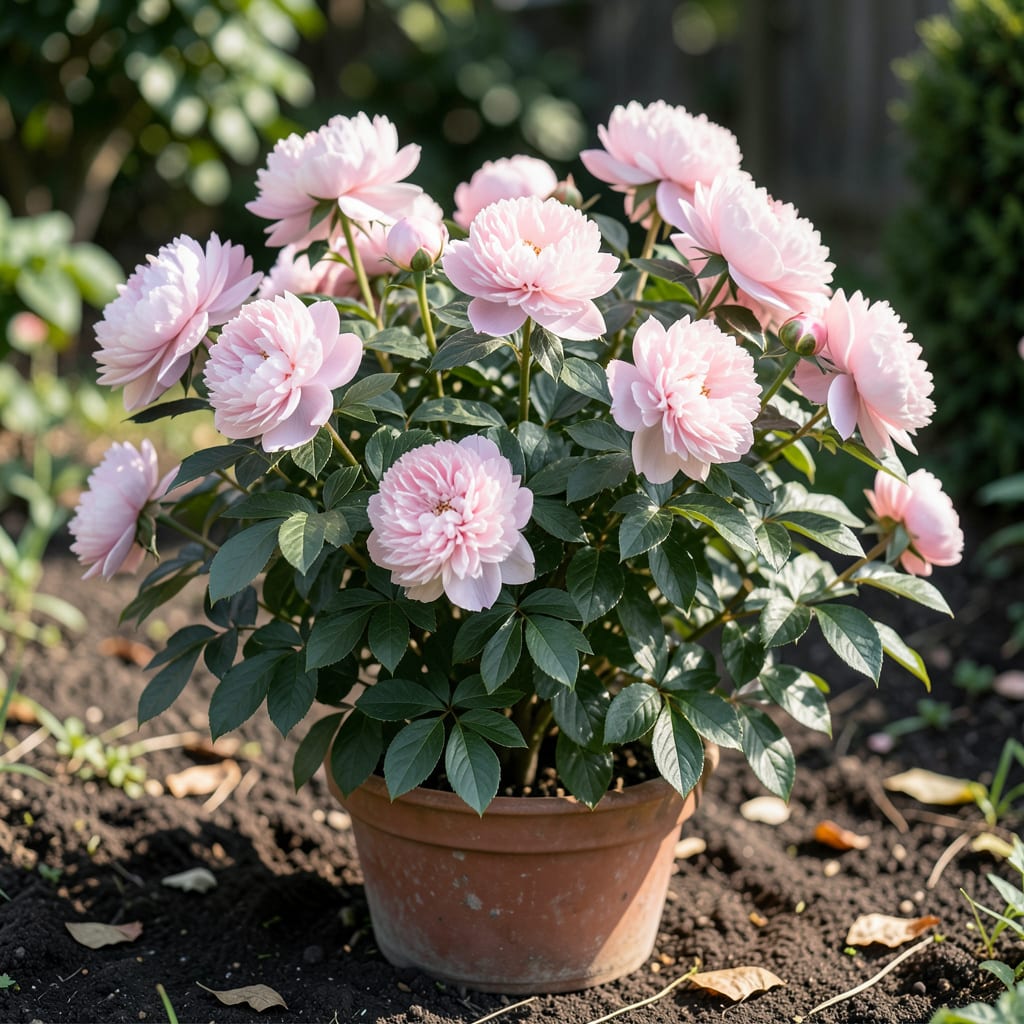
As a gardener, I’m always excited to see my 💐 Peonies bloom in the spring. But have you ever wondered how long they’ll be in flower? The blooming period is a crucial aspect of enjoying these beautiful plants to their fullest.
In USDA Zone 6, where I garden, Peonies typically bloom for a relatively short period. Let’s explore what affects their blooming duration and how to make the most of this beautiful time.
When it comes to Peony blooming, gardeners often ask: how long do these beautiful flowers actually bloom for? The answer depends on several factors, including the type of Peony and growing conditions. Generally, Peonies bloom for a relatively short period, typically ranging from 7 to 10 days 🌼
The blooming duration can vary slightly depending on whether you’re growing herbaceous or tree Peonies. Herbaceous Peonies usually bloom for about 7-10 days, while tree Peonies may have a slightly longer blooming period. Understanding these basics helps set expectations for your garden’s blooming season 🌺
The blooming period of Peonies is influenced by various factors, including climate, soil quality, and sunlight exposure. In general, Peonies tend to bloom for a shorter duration compared to some other flowering plants, but their blooms are typically larger and more showy 💐
To give you a better understanding, let’s explore some key aspects that affect how long Peonies bloom for. First, it’s essential to consider the type of Peony you’re growing. Different varieties can have slightly different blooming periods, and understanding these differences can help you plan your garden’s blooming schedule.
Climate conditions play a significant role in determining the blooming duration of Peonies. In areas with cooler temperatures and adequate moisture, Peonies tend to bloom for a longer period. Conversely, hot and dry conditions can shorten the blooming duration.
Soil quality is another critical factor that affects Peony blooming. Peonies prefer well-draining soil rich in organic matter. Soil that is too dense or lacks proper nutrients can impact the blooming duration, making it shorter than expected.
Sunlight exposure also influences how long Peonies bloom for. While Peonies need full sun to partial shade to bloom well, too much shade can reduce the blooming period. Ensuring your Peonies receive the right amount of sunlight is crucial for optimal blooming 🌞
By understanding these factors and how they impact Peony blooming, you can better plan and care for your garden. Proper care techniques, such as regular watering and fertilization, can also help extend the blooming period.
In the next section, we’ll delve deeper into the specific factors that influence Peony blooming duration and provide tips on how to maximize their bloom time in your garden.
To maximize the blooming period of your Peonies, consider planting multiple varieties that bloom at different times. This strategy can extend the overall blooming season in your garden, providing a longer display of beautiful Peony flowers 🌼
By following these guidelines and understanding the factors that affect Peony blooming, you can enjoy a more prolonged and vibrant blooming season in your garden 🌺
Understanding the factors that affect Peony blooming duration is crucial for gardeners who want to maximize their garden’s beauty. The length of time Peonies bloom can be influenced by several key elements, including climate conditions, soil quality, and sunlight exposure 🌞
Climate conditions play a significant role in determining how long Peonies will bloom. In areas with cooler temperatures and adequate moisture, Peonies tend to have a longer blooming period. Conversely, hot and dry conditions can shorten the blooming duration. Gardeners should be aware of their local climate and adjust their care strategies accordingly 🌟
To maximize Peony bloom time, ensure adequate watering and fertilization during the growing season. This helps promote healthy growth and longer blooming periods 🌿
Soil quality is another critical factor that affects Peony blooming. Peonies thrive in well-draining soil that is rich in organic matter. Soil that is too dense or lacks proper nutrients can negatively impact the blooming duration, making it shorter than expected. Gardeners should test their soil and amend it if necessary to create optimal growing conditions 🌱
Sunlight exposure also influences the length of time Peonies bloom. While Peonies require full sun to partial shade to bloom well, too much shade can reduce the blooming period. Ensuring that Peonies receive the right amount of sunlight is essential for optimal blooming and a longer display of flowers ☀️
In addition to these factors, proper care techniques such as regular watering, fertilization, and deadheading can help extend the blooming period of Peonies. By understanding and implementing these strategies, gardeners can enjoy a more prolonged and vibrant blooming season in their garden 💐
To further maximize the blooming period, consider planting multiple Peony varieties that bloom at different times. This approach can extend the overall blooming season, providing a longer display of beautiful Peony flowers 🌼
By following these guidelines and understanding the factors that influence Peony blooming, gardeners can create a more dynamic and beautiful garden display. With the right care and conditions, Peonies can provide a stunning floral showcase for weeks 🌺
To maximize the blooming period of your Peonies, consider implementing several key strategies. First, planting multiple Peony varieties that bloom at different times can significantly extend the overall blooming season 🌼
Choose Peonies with different blooming times to extend the flowering season. This can include early, mid-season, and late-blooming varieties 🌺
Remove spent flowers to encourage the plant to focus energy on root development and future blooms. This helps maintain plant health and promotes better flowering 🌿
After blooming, continue to provide regular watering and consider applying a balanced fertilizer to support plant health and future blooms 💐
By following these tips, you can enjoy a longer and more vibrant Peony blooming season in your garden. The combination of multiple varieties and proper care techniques will help create a stunning floral display that lasts for weeks 🌼
Implementing these strategies not only maximizes the blooming period but also enhances the overall health and beauty of your Peonies. With careful planning and maintenance, your garden can showcase these gorgeous flowers for an extended period 🌺
To further enhance your garden’s beauty, consider combining Peonies with other complementary plants that bloom at different times. This approach creates a dynamic and ever-changing garden display throughout the growing season 🌻
By understanding and applying these maximizing techniques, you’ll be able to enjoy your Peonies for a longer period, making the most of their beautiful blooms 💐
Peonies usually bloom for 7 to 10 days. The exact duration can vary depending on factors like climate, soil quality, and sunlight exposure. Proper care can help maximize their blooming period
Herbaceous Peonies typically bloom for 7-10 days, while tree Peonies may have a slightly longer blooming period. However, tree Peony bloom duration can be more variable. Both types require similar care to maximize their blooming time
Yes, you can extend the blooming season by planting multiple Peony varieties that bloom at different times. This strategy can provide a longer display of beautiful Peony flowers throughout the spring. Choose early, mid-season, and late-blooming varieties for the best effect
Cooler temperatures and adequate moisture can help prolong Peony blooms, while hot and dry conditions can shorten them. Understanding your local climate helps you adjust care strategies for optimal blooming
