
Beautiful Plants For Your Interior
Beautiful Plants For Your Interior
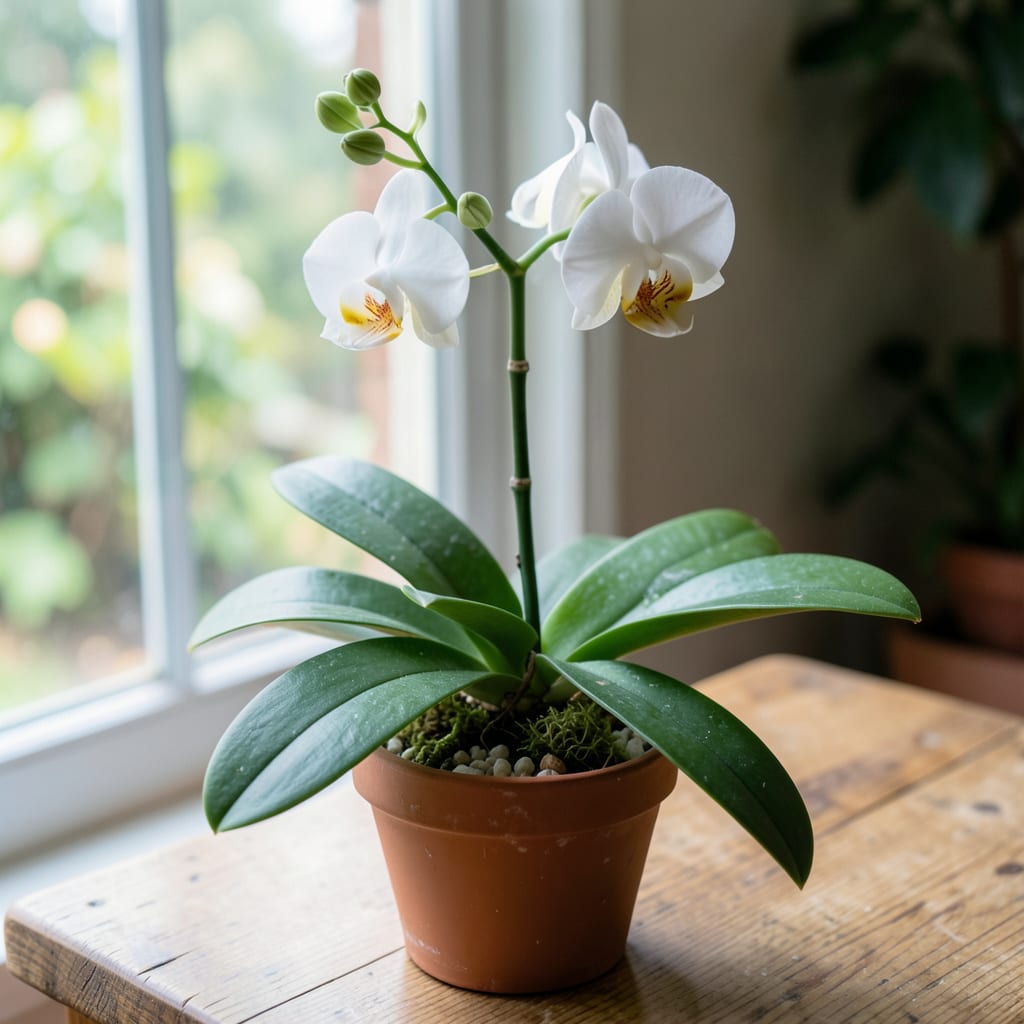
As an orchid enthusiast, I’ve often been asked: how long does it take for these beautiful 💐 flowers to bloom? The answer isn’t straightforward, as it depends on several factors, including the type of orchid and growing conditions.
Generally, orchids can take anywhere from a few months to a year or more to produce their stunning blooms. With proper care and patience, you can encourage your orchid to flower in as little as 3-6 months. Let’s dive into the details.
When it comes to orchids, the time it takes for them to bloom can vary significantly. As an orchid enthusiast, I’ve learned that several factors influence their blooming cycle. Understanding these factors is crucial for successful cultivation.
The type of orchid is a primary factor in determining how long it takes to bloom. Different species have varying blooming periods, ranging from a few months to a year or more. For instance, Phalaenopsis orchids typically bloom within 3-6 months, while Dendrobium orchids may take 6-12 months or more. 🌼
The light exposure your orchid receives plays a significant role in its blooming time. Most orchids require bright indirect light to produce flowers. Insufficient light can delay or prevent blooming, while too much direct sunlight can cause damage. 💡
Temperature is another critical factor. Orchids generally thrive in daytime temperatures between 65-75°F (18-24°C) and nighttime temperatures around 55-65°F (13-18°C). Some species, like Phalaenopsis, require a slight drop in temperature at night to initiate blooming.
Watering and fertilization practices also impact blooming time. Over-watering can lead to root rot, while under-watering can stress the plant. A balanced fertilizer applied regularly during the growing season can promote healthy growth and flowering.
The potting mix used for your orchid is vital. A well-draining mix allows for healthy root growth, which is essential for blooming. Repotting every 2-3 years can also help maintain the plant’s health and encourage blooming.
Some orchids require a period of rest after blooming. During this time, they may not produce new flowers, but they are recharging for the next bloom cycle. Understanding the specific needs of your orchid species is key to supporting its blooming cycle.
By controlling these factors and providing optimal growing conditions, you can encourage your orchid to bloom more quickly and frequently. Patience and attention to detail are essential for successful orchid cultivation.
In summary, the time it takes for orchids to bloom is influenced by a combination of factors including the type of orchid, light exposure, temperature, watering, fertilization, and potting mix. By understanding and managing these factors, you can promote healthy growth and encourage your orchid to produce beautiful blooms.
With the right care and conditions, your orchid can thrive and provide stunning flowers for months to come. Whether you’re a seasoned grower or just starting out, understanding the factors that affect blooming time is crucial for enjoying the beauty of these remarkable plants.
Understanding the typical blooming periods for different orchid species is essential for setting realistic expectations. As an orchid enthusiast, I’ve observed that various factors influence their flowering cycles. Let’s explore what you can expect from your orchid.
The blooming timeline for orchids varies significantly across different species. Some orchids, like Phalaenopsis, can bloom within 3-6 months after reaching maturity, while others, such as Dendrobium, may take 6-12 months or more. 🌼
Most orchids require 1-3 years to reach maturity from the time they’re propagated or repotted.
After reaching maturity, the first bloom can occur within 3-12 months, depending on the species and growing conditions.
Once established, many orchids can rebloom every 8-12 weeks under optimal conditions.
Several factors can influence the blooming frequency of your orchid. These include light exposure, temperature fluctuations, and fertilization practices. By optimizing these conditions, you can encourage your orchid to bloom more frequently.
For example, Phalaenopsis orchids are known to bloom multiple times a year when provided with bright indirect light and regular fertilization. On the other hand, Cattleya orchids may bloom less frequently, typically once a year, and require a period of rest after blooming.
It’s also important to note that some orchids, like Vanda and Aerides, are known for their fragrant blooms and can produce flowers that last for several weeks. Understanding the specific characteristics of your orchid species will help you better anticipate its blooming cycle.
By being aware of these factors and providing the right conditions, you can enjoy the beautiful blooms of your orchid for months to come. Whether you’re a seasoned grower or just starting out, understanding the blooming timeline of your orchid is key to appreciating its beauty.
In conclusion, the time it takes for orchids to bloom varies widely depending on the species and growing conditions. By understanding what to expect and providing optimal care, you can encourage your orchid to produce stunning flowers.
To encourage faster blooming in orchids, it’s essential to provide optimal growing conditions. I’ve found that bright indirect light is crucial for promoting healthy growth and flowering. Placing your orchid near an east- or west-facing window can provide the right amount of light without causing damage. 🌞
Maintain a consistent temperature between 65-75°F (18-24°C) during the day and around 55-65°F (13-18°C) at night to encourage blooming.
Temperature control is another critical factor. Most orchids thrive in daytime temperatures between 65-75°F (18-24°C) and nighttime temperatures around 55-65°F (13-18°C). Some species, like Phalaenopsis, require a slight drop in temperature at night to initiate blooming.
Watering techniques also play a significant role in encouraging faster blooms. Over-watering can lead to root rot, while under-watering can stress the plant. Water your orchid when the potting mix is nearly dry, and
Fertilization is also crucial for promoting healthy growth and flowering. Use a balanced fertilizer (20-20-20) during the growing season, and apply it at 1/4 strength to avoid burning the roots.
By following these expert tips and providing optimal growing conditions, you can encourage your orchid to bloom more quickly and frequently.
In summary, providing bright indirect light, maintaining a consistent temperature, using proper watering techniques, and applying balanced fertilization can all contribute to faster blooming in orchids. By understanding and managing these factors, you can promote healthy growth and encourage your orchid to produce stunning flowers.
Most orchids take 1-3 years to mature after repotting, and then they can bloom within 3-12 months. The exact time depends on the species and growing conditions. Proper care can encourage faster blooming.
Yes, you can encourage faster blooming by providing bright indirect light, maintaining a consistent temperature, using proper watering techniques, and applying balanced fertilization. These conditions promote healthy growth and flowering.
If your orchid isn’t blooming, it might be due to insufficient light exposure, improper temperature control, or inadequate fertilization. Check your care routine and adjust as needed to provide optimal conditions.
Once established, many orchids can rebloom every 8-12 weeks under optimal conditions. Some species, like Phalaenopsis, can bloom multiple times a year, while others may bloom less frequently.
