
Beautiful Plants For Your Interior
Beautiful Plants For Your Interior
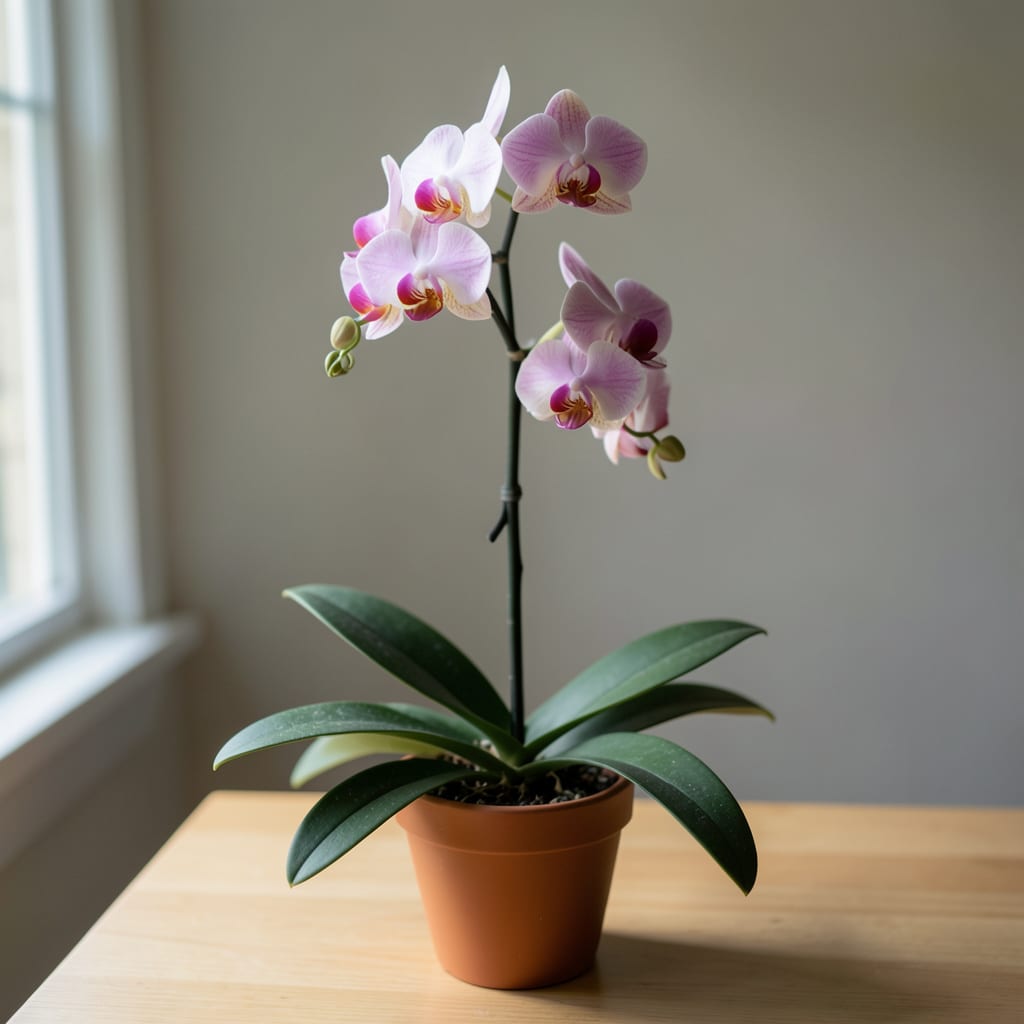
I’ve always been fascinated by Orchids 💐 and their stunning blooms. But how long do they actually stay in bloom? The answer varies depending on the type and care.
In this guide, we’ll explore the factors that affect Orchid blooming duration in USDA Zone 6, and I’ll share expert tips to help you enjoy their beautiful flowers for longer.
I’ve found that different Orchid types have varying bloom durations. Understanding these differences can help you better care for your plants and enjoy their beautiful flowers for longer. 💐
The bloom duration of Orchids can range from a few weeks to several months, depending on the species and growing conditions. Let’s explore some popular Orchid varieties and their typical bloom durations.
The Phalaenopsis, also known as the Moth Orchid, is one of the most common and long-blooming varieties, with flowers lasting 2-6 months. In contrast, Cattleya Orchids have shorter bloom durations, typically lasting 1-4 weeks. 🌼
Dendrobium Orchids can have a longer bloom period, with some varieties flowering for 2-8 weeks. Other types, like Oncidium and Miltonia, have relatively shorter bloom durations, lasting 3-6 weeks and 2-4 weeks, respectively.
These variations in bloom duration are influenced by factors such as light, temperature, watering, and fertilization. By understanding the specific needs of your Orchid variety, you can optimize its growing conditions to enjoy a longer blooming period.
For example, providing bright indirect light and maintaining a consistent temperature between 65-75°F can help promote healthy growth and longer blooming. Additionally, proper watering and fertilization techniques can also impact bloom duration.
By combining the right growing conditions with proper care, you can enjoy your Orchids’ beautiful flowers for an extended period. In the next section, we’ll explore the factors that affect Orchid bloom duration and provide expert care tips to help you get the most out of your plants.
It’s worth noting that some Orchid varieties are more prone to reblooming than others. For instance, Phalaenopsis can rebloom on the same flower spike, while others may require a period of dormancy before producing new flowers.
Understanding the specific characteristics of your Orchid variety can help you tailor your care routine to its needs, ultimately leading to a more rewarding and successful growing experience.
I’ve found that several factors can influence how long Orchids stay in bloom. Understanding these elements is crucial for maximizing their flowering period.
The main factors that affect Orchid bloom duration include light exposure, temperature, watering, and fertilization. Let’s explore each of these factors and how they impact bloom longevity.
To extend Orchid bloom duration, maintain consistent temperatures between 65-75°F and provide bright indirect light for 4-6 hours daily.
Light exposure plays a significant role in determining Orchid bloom duration. Most Orchids prefer bright indirect light, which can help prolong their blooming period. However, direct sunlight can cause flowers to fade quickly.
Temperature is another critical factor. Orchids generally thrive in temperatures between 65-75°F, which can help extend their bloom duration. Avoid placing Orchids near drafty windows or extreme temperature fluctuations.
Watering is also essential for maintaining healthy Orchids and prolonging their bloom. Over-watering can lead to root rot, while under-watering can cause stress, both of which can shorten the blooming period. Water your Orchids once a week, allowing the potting mix to dry slightly between waterings.
Fertilization can also impact Orchid bloom duration. Feed your Orchids with a balanced fertilizer (20-20-20) once a month. You can also use a bloom booster to promote flowering.
By understanding and controlling these factors, you can create an optimal environment for your Orchids to thrive and enjoy a longer blooming period. In the next section, we’ll explore techniques to encourage longer Orchid blooming periods.
It’s worth noting that different Orchid varieties may have specific needs when it comes to these factors. For example, some Orchids may require more frequent watering or fertilization.
By tailoring your care routine to the specific needs of your Orchid variety, you can maximize their bloom duration and enjoy their beautiful flowers for an extended period.
I’ve discovered that with the right techniques, you can significantly extend the blooming period of your Orchids. Let’s explore some advanced care strategies to help you enjoy their beautiful flowers for longer.
After the flowers have faded, you can encourage a second bloom by cutting back the flower spike. For Phalaenopsis, cut just above a node to stimulate a new flowering stem.
Repot your Orchids every 2-3 years to refresh the potting mix and provide a larger pot if necessary. The best time to repot is after the blooming period, when the plant is in its active growth phase.
To stimulate reblooming, provide your Orchids with a slight temperature drop at night. This mimics their natural environment and can encourage flowering.
By implementing these techniques, you can significantly extend the blooming period of your Orchids and enjoy their beautiful flowers for longer.
For example, some Orchids may require more frequent watering or fertilization. By understanding the unique characteristics of your Orchid, you can create an optimal environment for it to thrive.
With proper care and attention, your Orchids can bloom for an extended period, providing you with a rewarding and successful growing experience. 💐
Orchid bloom duration varies by type. Phalaenopsis can bloom for 2-6 months, while Cattleya typically blooms for 1-4 weeks. Other varieties like Dendrobium and Oncidium fall somewhere in between. Proper care can help maximize bloom time.
Several factors influence Orchid bloom duration, including light exposure, temperature, watering, and fertilization. Maintaining bright indirect light and consistent temperatures between 65-75°F can help extend blooming. Proper watering and fertilization techniques also play a crucial role.
Yes, many Orchid varieties can rebloom with proper care. For Phalaenopsis, you can encourage a second bloom by cutting back the flower spike just above a node. Providing a slight temperature drop at night can also stimulate reblooming in some varieties. With the right techniques, you can enjoy multiple blooming periods.
Water your Orchid once a week, allowing the potting mix to dry slightly between waterings. Over-watering can lead to root rot, while under-watering can cause stress, both of which can shorten the blooming period. Adjust watering frequency based on your Orchid’s specific needs and environment.
