
Beautiful Plants For Your Interior
Beautiful Plants For Your Interior
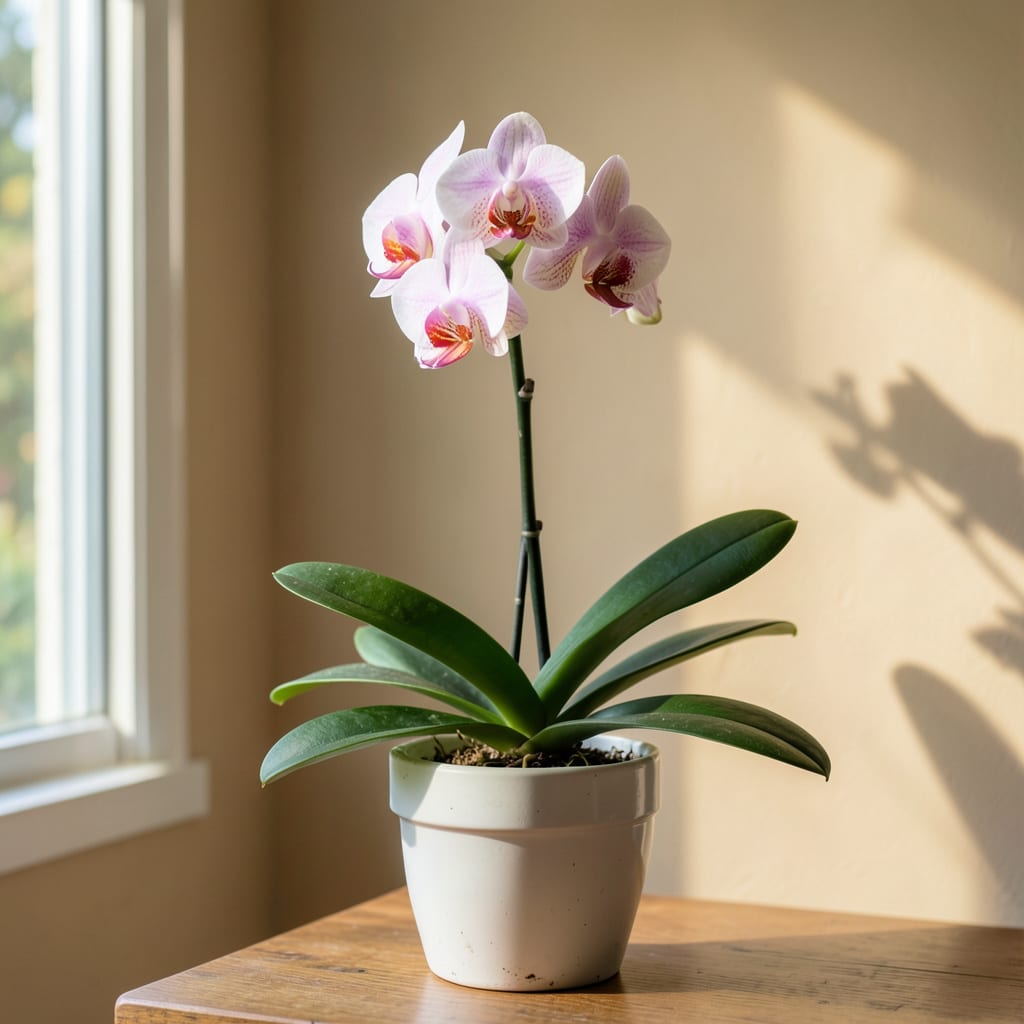
I’ve always been fascinated by Orchids 💐 and their stunning blooms. The beauty of these flowers can brighten up any space, but their flowering period can be quite short if not properly cared for.
Understanding how to maximize their blooming time is key to enjoying these beautiful plants to their fullest. In this article, we’ll explore expert tips on how to make your Orchid bloom for as long as possible in USDA Zone 6.
Orchids are known for their stunning blooms, but their flowering period can be quite short if not properly cared for. As an orchid enthusiast, I’ve learned that understanding the factors that affect their blooming duration is crucial to enjoying these beautiful plants to their fullest.
The blooming period of orchids varies greatly depending on the type of orchid, environmental conditions, and care practices. Some orchids bloom for just a few days, while others can bloom for several months. In general, most orchids bloom for 2-6 weeks, but some species can bloom for 3-4 months 🌼.
The type of orchid plays a significant role in determining its bloom duration. For example, Phalaenopsis orchids are known for their long-lasting blooms, while Dendrobium orchids tend to have shorter blooming periods. Understanding the specific needs and characteristics of your orchid type is essential to optimizing its blooming time.
Environmental factors such as light, temperature, and watering also impact the blooming duration of orchids. Providing the right conditions for your orchid can help extend its blooming period. For instance, most orchids prefer bright indirect light and moderate temperatures between 65°F to 75°F (18°C to 24°C).
In addition to environmental factors, care practices such as fertilization and repotting can also affect the blooming duration of orchids. Using a balanced fertilizer and repotting your orchid every 2-3 years can help promote healthy growth and longer blooms.
To maximize the blooming time of your orchid, it’s essential to understand its specific needs and adjust your care practices accordingly. By providing the right conditions and care, you can enjoy your orchid’s beautiful blooms for a longer period.
Some orchid species, like Cattleya and Paphiopedilum, have different blooming periods. Cattleya orchids typically bloom for 2-6 weeks, while Paphiopedilum orchids can bloom for 6-8 weeks. Understanding these differences can help you tailor your care to the specific needs of your orchid.
By combining the right environmental conditions with proper care practices, you can enjoy your orchid’s blooms for an extended period.
For example, if you notice that your orchid is not blooming as long as expected, you may need to adjust its light exposure or watering schedule. By making these adjustments, you can help promote healthier growth and longer blooms.
In conclusion, understanding the factors that affect orchid bloom duration is crucial to enjoying these beautiful plants to their fullest. By providing the right conditions and care, you can maximize the blooming time of your orchid and enjoy its stunning flowers for a longer period 🌺.
With proper care and attention, your orchid can bloom for an extended period, bringing beauty and joy to your space. By following the tips and guidelines outlined in this article, you can help ensure that your orchid blooms for as long as possible.
To maximize your orchid’s blooming period, it’s essential to understand the key factors that influence their flowering duration. By providing the right conditions and care, you can enjoy your orchid’s beautiful blooms for a longer period 🌼.
One of the most critical factors affecting orchid bloom duration is light exposure. Most orchids prefer bright indirect light, which can help promote healthy growth and longer blooms. Placing your orchid near an east- or west-facing window can provide the right amount of light 💡.
Place your orchid in a spot with bright indirect light for 4-6 hours daily.
Keep your orchid in an area with moderate temperatures between 65°F to 75°F (18°C to 24°C).
Water your orchid every 7-10 days, allowing the potting mix to dry slightly between waterings.
In addition to these tips, fertilization plays a crucial role in promoting healthy growth and longer blooms. Using a balanced fertilizer (20-20-20 NPK) at 1/4 strength can provide your orchid with the necessary nutrients 🌿.
By following these expert tips, you can help extend your orchid’s blooming period and enjoy its beautiful flowers for a longer time.
For example, if you notice that your orchid is not blooming as expected, you may need to adjust its light exposure or watering schedule. By making these adjustments, you can help promote healthier growth and longer blooms.
With proper care and attention, your orchid can bloom for an extended period, bringing beauty and joy to your space. By understanding the factors that affect orchid bloom duration and following the tips outlined in this article, you can maximize your orchid’s blooming time 🌺.
By implementing these strategies, you’ll be able to enjoy your orchid’s stunning blooms for a longer period, making the most of your beautiful plant.
When caring for orchids, it’s easy to make mistakes that can shorten their blooming period. As an orchid enthusiast, I’ve learned that being aware of these common pitfalls can help you avoid them and keep your orchid blooming for longer 🌼.
One of the most common mistakes is overwatering. Orchids are prone to root rot if the potting mix is too wet, which can cause the plant to drop its flowers. To avoid this,
Overwatering is a common mistake that can lead to root rot and shorten your orchid’s blooming period. Check the potting mix moisture by inserting your finger into the soil.
Another mistake is inadequate light. Most orchids require bright indirect light to photosynthesize and produce flowers. If your orchid is not getting enough light, it may not bloom as long or as profusely. Consider moving it to a brighter location or supplementing with grow lights 🔦.
Temperature fluctuations can also affect orchid bloom duration. Orchids generally prefer moderate temperatures between 65°F to 75°F (18°C to 24°C). Avoid placing your orchid near drafts or heating vents, as this can cause stress and shorten the blooming period.
To keep your orchid blooming for as long as possible, it’s also important to fertilize regularly. Using a balanced fertilizer (20-20-20 NPK) at 1/4 strength can provide your orchid with the necessary nutrients for healthy growth and flowering 🌿.
By being aware of these common mistakes and taking steps to avoid them, you can help extend your orchid’s blooming period and enjoy its beautiful flowers for a longer time. For example, adjusting your watering schedule and providing the right amount of light can make a big difference in your orchid’s blooming duration.
With proper care and attention, your orchid can bloom for an extended period, bringing beauty and joy to your space. By following the tips outlined in this article, you can help ensure that your orchid blooms for as long as possible 🌺.
By making a few simple adjustments to your care routine, you can enjoy your orchid’s stunning blooms for a longer period, making the most of your beautiful plant.
Most orchids bloom for 2-6 weeks, but some species can bloom for 3-4 months. The blooming period varies depending on the type of orchid and environmental conditions. Proper care can help extend the blooming duration .
Several factors impact an orchid’s blooming period, including light exposure, temperature, watering, and fertilization. Providing the right conditions and care can help maximize the blooming time. For example, most orchids prefer bright indirect light and moderate temperatures between 65°F to 75°F (18°C to 24°C) .
Yes, you can encourage your orchid to bloom again by providing proper care and adjusting your care practices. This includes repotting every 2-3 years, fertilizing regularly, and maintaining optimal environmental conditions. With proper care, many orchids can rebloom .
Water your orchid every 7-10 days, allowing the potting mix to dry slightly between waterings. Overwatering can lead to root rot and shorten the blooming period. Check the moisture by inserting your finger into the soil .
