
Beautiful Plants For Your Interior
Beautiful Plants For Your Interior
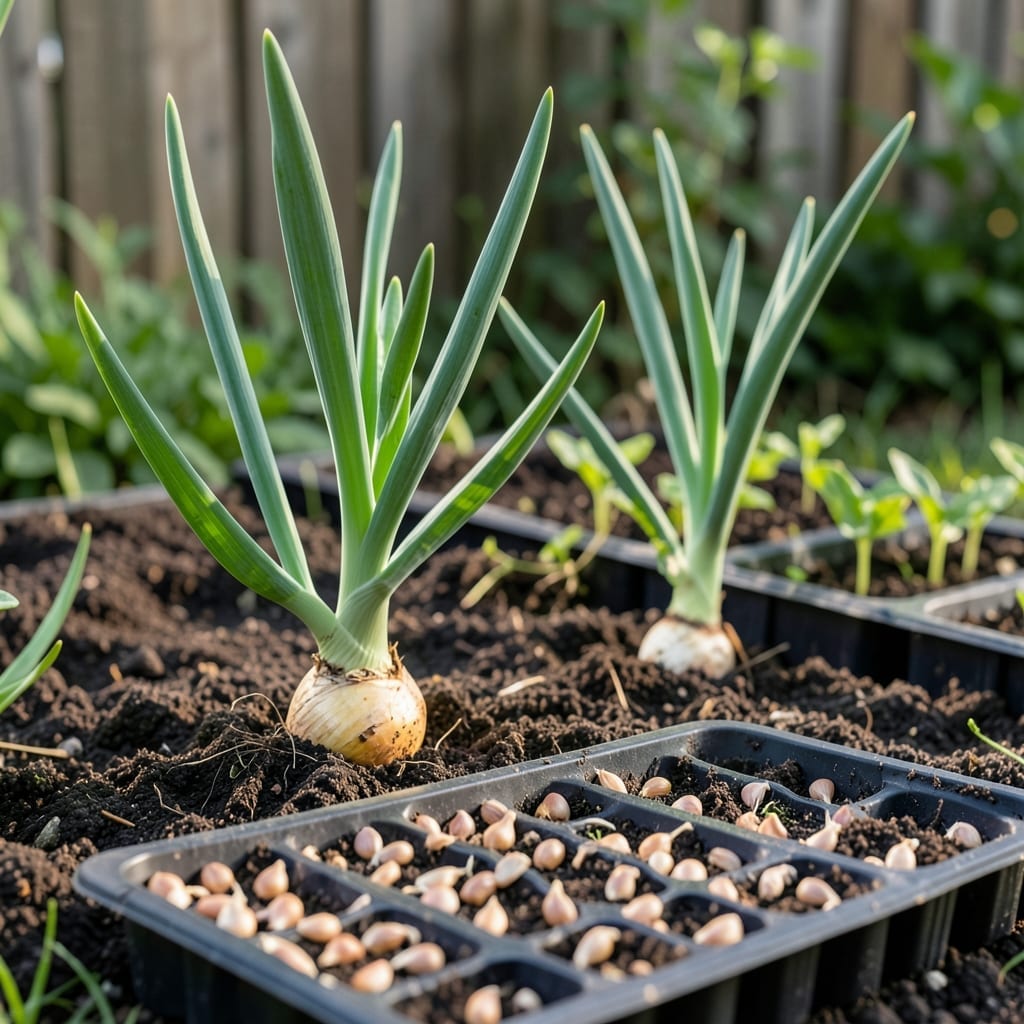
Growing onions from seed can feel like a waiting game, but knowing the exact timeline helps you plan your garden for a successful harvest.
Whether you’re a first-time gardener or a seasoned pro, understanding the growth stages of the 🧅 is key to cultivating healthy, flavorful bulbs.
Discover how long each phase takes and what to expect from sowing to harvest in Zone 6. Let’s dig in.


When I first started growing onions from seed, I was surprised by how long they take. Most gardeners don’t realize these cool-season crops need 100-120 days from sowing to harvest in ideal conditions.
The journey begins with germination, which typically takes 7-14 days when soil temperatures stay between 60-75°F. This is why many gardeners start seeds indoors early. 🌱
| Stage | Duration | Key Action |
|---|---|---|
| Germination | 7-14 days | Keep soil moist |
| Seedling | 4-6 weeks | Thin to 4″ apart |
| Bulb Formation | 60-80 days | Reduce nitrogen |
| Maturity | 20-30 days | Stop watering |
After germination, the seedling stage lasts about 4-6 weeks. During this time, I make sure my seedlings get 12-14 hours of light daily. Without enough light, they’ll become leggy and weak.
The bulb formation phase is where the magic happens. This takes 60-80 days and requires consistent moisture and full sun. I switch to a low-nitrogen fertilizer to encourage bulb development rather than leafy growth.
As the bulbs mature, the final stage takes about 20-30 days. I stop watering when the tops start to yellow. This helps the outer skins dry properly for storage.
In cooler climates like Zone 6, I start seeds indoors 8-10 weeks before the last frost. This gives them a head start before transplanting outside. The total time from seed to harvest remains similar, but the indoor start helps avoid early spring frosts.
For short-day onions, the timeline can be slightly shorter. These varieties form bulbs with 10-12 hour daylight, making them ideal for southern gardeners. Long-day onions, which need 14-16 hours of light, are better suited for northern regions.
I’ve found that soil temperature plays a crucial role. Onion seeds struggle to germinate in cold soil below 50°F. Using a heat mat can speed up germination significantly. 🌿
Remember that these timelines are general estimates. Your actual results may vary based on weather conditions, soil quality, and variety. Keeping a garden journal helps track your specific growing conditions.
Several key factors can speed up or slow down your onion growth timeline. I’ve learned that temperature is one of the biggest influencers. Onion seeds germinate best in 60-75°F soil, while cooler conditions can double the time.
Daylight hours also matter greatly. Short-day onions form bulbs with 10-12 hours of light, while long-day varieties need 14-16 hours. Choosing the right type for your region is crucial for timely maturation.
Soil quality plays a major role in growth speed. I always amend my beds with compost before planting. Rich, loose soil allows roots to develop quickly and bulbs to expand without resistance.
Planting depth affects germination rates. I sow seeds ¼ inch deep—too deep and they struggle to emerge. Proper spacing of 4 inches apart prevents competition for nutrients, which can delay maturity.
Water consistency keeps onions growing steadily. I aim for 1 inch per week, adjusting for rainfall. Both drought and waterlogging can stunt growth and extend the timeline.
Finally, your USDA zone influences the approach. In Zone 6, I start seeds indoors in early spring to get a head start. This compensates for our shorter growing season compared to warmer climates. 🌱