
Beautiful Plants For Your Interior
Beautiful Plants For Your Interior
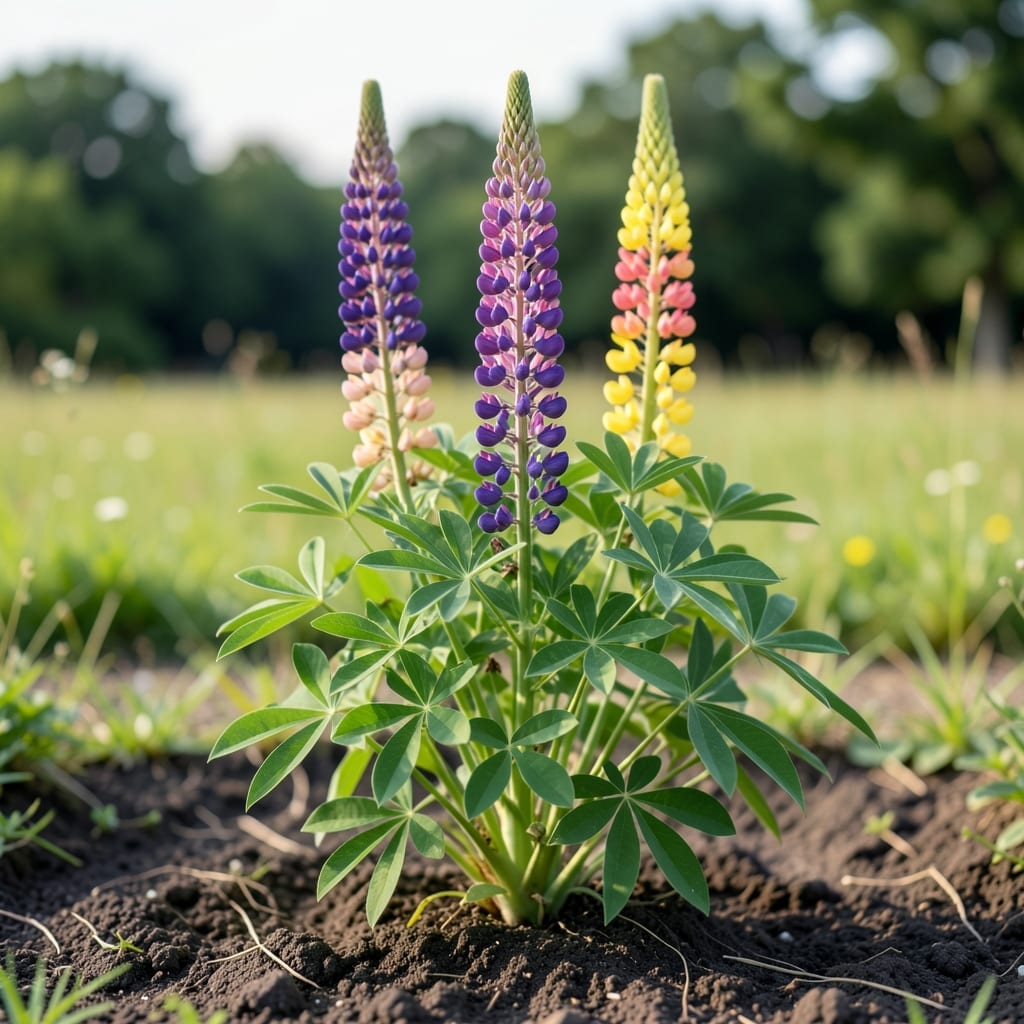
I remember the first time I saw a Lupin 🌸 in full bloom—its towering spikes of color completely transformed my garden. But how long would that stunning display last?
Most gardeners expect their Lupins to flower for about 4-6 weeks, but the actual duration depends on several factors. From climate to care, small adjustments can make a big difference.
Discover what influences their bloom time and how to keep those vibrant flowers around as long as possible this season.
If you’ve ever grown Lupins, you know their vibrant flower spikes are the star of the garden. Typically, these beauties bloom for about 4 to 6 weeks, but this can shift based on your climate and care routine.
Early spring planting often leads to a late spring to early summer bloom. However, in cooler regions, you might see flowers peak a bit later, stretching into midsummer under ideal conditions.
| Factor | Influence on Bloom Duration |
|---|---|
| Climate | Cooler areas may extend blooms to 6-8 weeks |
| Sunlight | 6+ hours daily maximizes flower longevity |
| Soil Quality | Well-draining soil prevents root rot, supporting blooms |
| Watering | Consistent moisture avoids stress, prolonging flowers |
| Variety | Russell Hybrids often bloom longer than wild types |
The Russell Hybrid Lupins are a favorite among gardeners for their extended bloom time. These can flower for up to 8 weeks in optimal conditions, especially if deadheaded regularly to encourage new spikes.
In warmer climates, Lupins may bloom earlier but for a shorter duration, often around 3-4 weeks. The heat can stress the plants, cutting their display short if not properly managed.
Deadheading is my go-to trick for extending blooms. By removing spent flower spikes before they set seed, you redirect the plant’s energy into producing more flowers, often adding 1-2 extra weeks of color.
Soil pH plays a subtle but important role. Lupins prefer slightly acidic to neutral soil (pH 6.0-7.0). If your soil is too alkaline, the plants may struggle, leading to shorter bloom periods and weaker growth.
Don’t underestimate the power of mulching. A 2-3 inch layer of organic mulch helps retain moisture and keeps roots cool, which can extend flowering by reducing stress on the plant.
If you’re in USDA zones 4-8, you’re in the sweet spot for Lupins. These zones provide the ideal balance of cool springs and moderate summers that Lupins love, often resulting in the longest bloom times.
Finally, keep an eye on pests and diseases. Aphids and powdery mildew can weaken plants, shortening their flowering window. Regular inspections and organic treatments can keep these issues at bay. 🌿
To keep your Lupins flowering as long as possible, I always start with deadheading. Removing faded flower spikes prevents seed formation and encourages new blooms, often adding 1-2 weeks to the display.
Consistent watering is key—deep soaks once a week work best. Avoid overhead watering to prevent fungal diseases, which can cut blooming short. Mulching helps retain moisture too.
For fertilization, I use a low-nitrogen feed every 4-6 weeks. Too much nitrogen promotes leafy growth at the expense of flowers, shortening the bloom period.
In my experience, staking taller Lupins prevents stem breakage from wind or rain, which can damage flower spikes. A simple bamboo stake or pea trellis works wonders for varieties over 3 feet tall.
Pest control matters more than you’d think. Aphids and slugs love Lupins and can weaken plants quickly. I check leaves weekly and use organic sprays or barriers as needed.
Finally, plant in groups for better pollination and a fuller display. This simple trick often leads to longer-lasting blooms and healthier plants overall. 🌿