
Beautiful Plants For Your Interior
Beautiful Plants For Your Interior
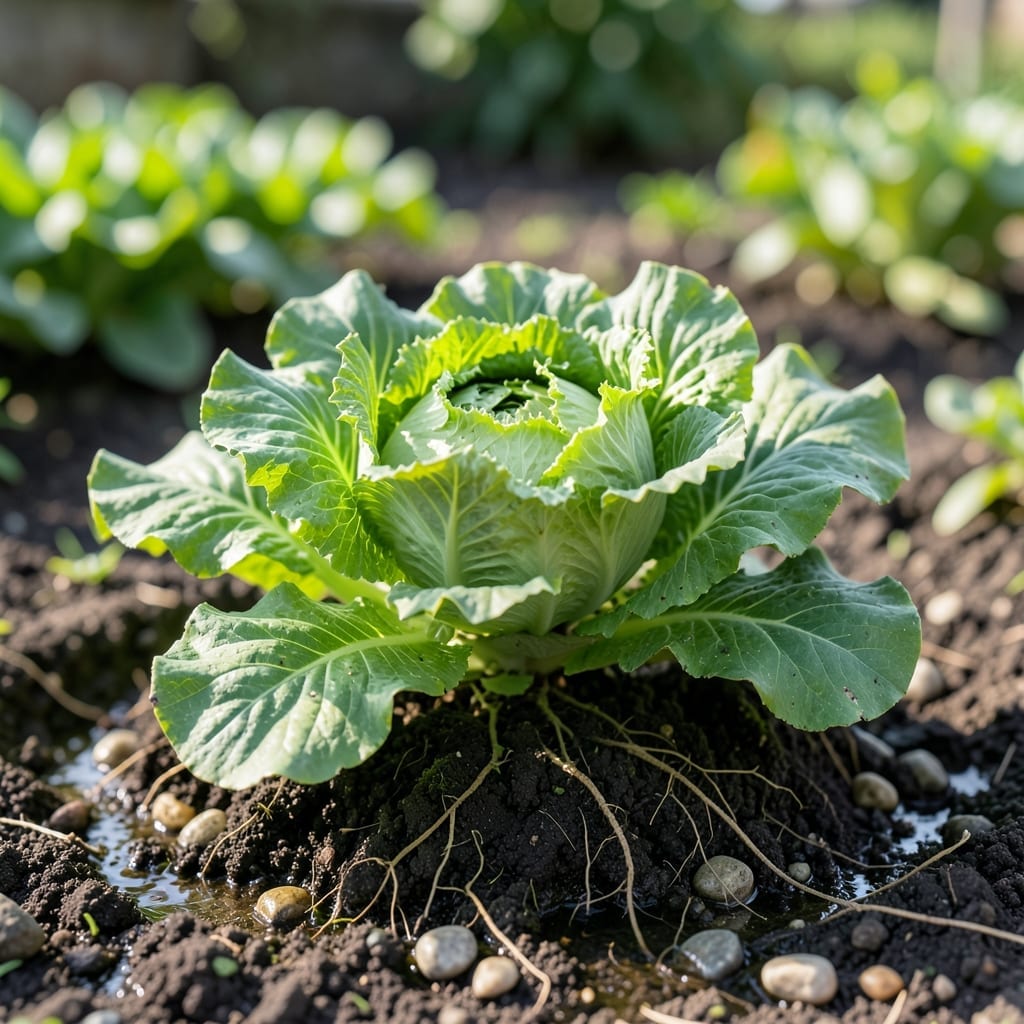
Growing Lettuce 🥬 from seed can feel like waiting for paint to dry—until you see those first tender leaves. The timeline varies, and knowing it can turn frustration into a satisfying harvest.
I’ve learned that some varieties are ready in 30 days, while others take up to 80 days. The difference often comes down to type, weather, and how well you tend the soil.
Whether you’re planting in early spring or late summer, understanding these details helps you plan. No more guessing when your salad greens will be ready.
Let me walk you through what to expect, so you can enjoy fresh Lettuce straight from your garden at just the right time.


If you’re wondering how long lettuce takes to grow from seed, the answer depends on the variety. Looseleaf lettuce is the fastest, often ready in 30-40 days, while crisphead types can take 70-80 days. I’ve found that butterhead and romaine typically fall in the middle.
Each lettuce type follows a similar growth pattern: germination in 7-14 days, followed by leaf development and then maturity. The key is knowing your variety’s specific timeline to plan accordingly. I always check the seed packet for exact days to maturity. 🌱
| Variety | Germination | Days to Harvest | Key Traits |
|---|---|---|---|
| Looseleaf | 7-10 days | 30-40 days | Fastest, tender leaves |
| Butterhead | 7-14 days | 50-65 days | Soft, buttery texture |
| Romaine | 7-12 days | 60-70 days | Upright, crisp leaves |
| Crisphead | 10-14 days | 70-80 days | Tight heads, longer growth |
For looseleaf varieties like Black Seeded Simpson, you can start harvesting baby leaves in as little as 25 days. This makes them perfect for succession planting every 2-3 weeks for continuous harvests.
I’ve noticed that butterhead lettuce, such as Buttercrunch, takes a bit longer but rewards you with sweet, tender leaves. The germination stage is critical—keep the soil consistently moist but not waterlogged.
Romaine lettuce varieties like Parris Island need 60-70 days to reach full size. Their upright growth habit makes them easier to space in the garden. I recommend thinning seedlings to 8-10 inches apart for best results.
Crisphead lettuce, including Iceberg, is the slowest but forms those tight, crunchy heads we all love. They require cooler temperatures to prevent bolting, so I plant them in early spring or late summer.
The growth rate also depends on your growing conditions. In my experience, full sun and rich, well-draining soil can shave a few days off the timeline. Just be sure to water regularly—lettuce is 90% water, after all.
If you’re starting indoors, add 7-10 days to the timeline for the transplanting adjustment. I find that hardening off seedlings properly prevents shock and keeps them on track. 🌿
Remember, these are average timelines. Your local climate, soil quality, and care routine will influence the exact duration. I always keep a garden journal to track progress and adjust for future plantings.
I’ve found that temperature is the biggest factor in how fast your lettuce seeds will sprout and mature. Most varieties thrive in 60–70°F soil, while extremes can delay or even halt growth entirely.
Soil quality also plays a huge role. Well-draining, nutrient-rich soil with a pH of 6.0–7.0 helps roots develop quickly, while compacted or poor soil slows everything down. 🌱
In my experience, sunlight exposure directly impacts growth speed. While lettuce tolerates partial shade, 4–6 hours of direct sun daily produces the fastest, most robust plants. Too little light leads to weak, leggy growth.
Watering consistency is another critical factor. I always aim for even moisture—never soggy, never dry. Inconsistent watering can cause bitter leaves or premature bolting, especially in hot weather.
Don’t overlook plant spacing. Crowded lettuce competes for nutrients, slowing growth. I space my seeds 6–12 inches apart, depending on the variety, to ensure each plant has room to thrive. ✂️
Finally, fertilizing lightly every 4–6 weeks with a balanced 5-10-10 feed gives my lettuce the nutrients it needs without overwhelming it. Too much fertilizer can lead to rapid but weak growth.
With these factors dialed in, you’ll see your lettuce reach maturity faster and healthier than ever before. 🌿