
Beautiful Plants For Your Interior
Beautiful Plants For Your Interior
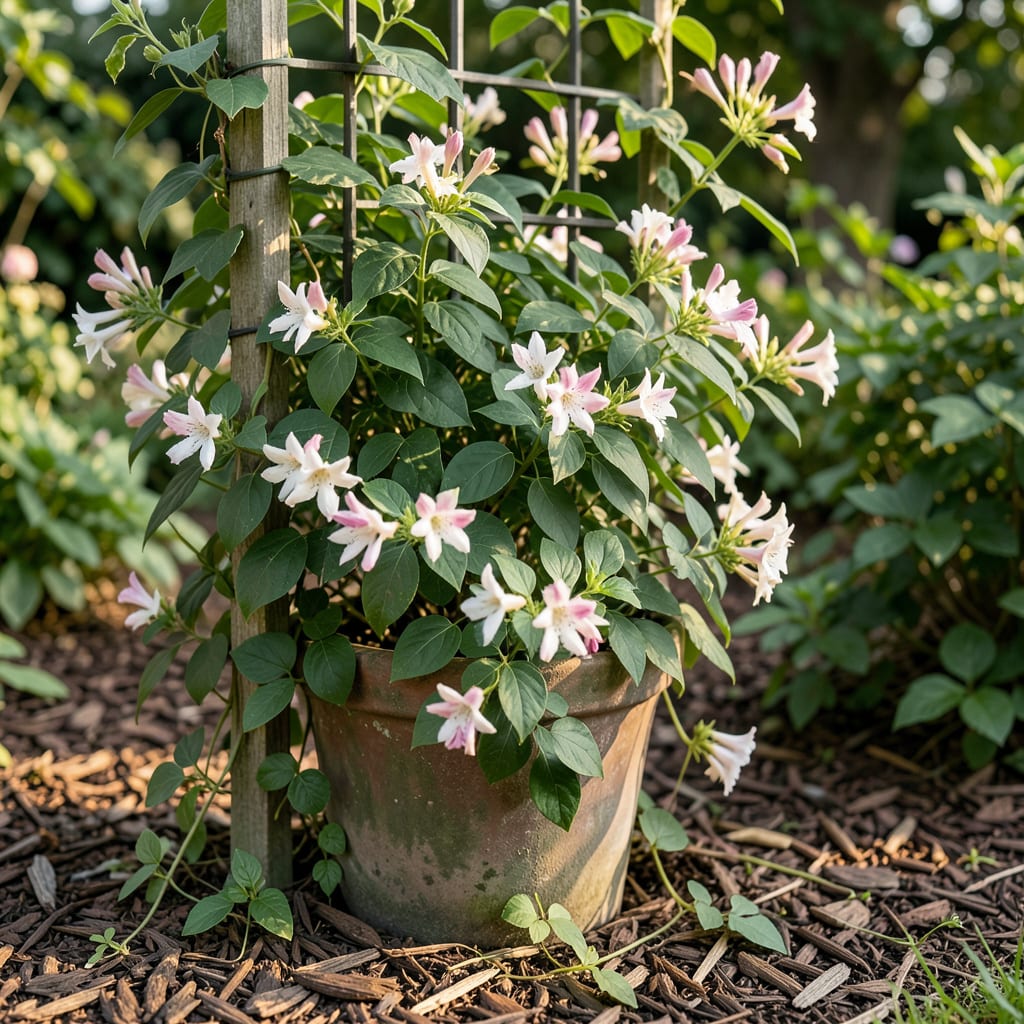
Honeysuckle 🌺 is a beautiful addition to any garden, with its fragrant flowers and vibrant colors. But have you ever wondered how long these lovely blooms last?
Understanding the blooming period of honeysuckle can help you make the most of its beauty in your garden in USDA Zone 6. Let’s explore what affects their bloom duration and how to encourage longer blooming periods.
Honeysuckle plants are known for their beautiful, fragrant flowers that bloom during specific periods of the year. The duration of their bloom can vary based on several factors 🌺.
The blooming period of honeysuckle is influenced by factors such as the variety of the plant, climate conditions, soil quality, and maintenance practices. Understanding these factors can help you maximize the blooming period of your honeysuckle 🌼.
The typical blooming period for honeysuckle plants ranges from 3 to 6 weeks, depending on the variety and growing conditions. Some varieties may bloom only once in the spring, while others may have a second bloom in late summer or fall 📆.
Climate plays a significant role in determining the blooming period of honeysuckle. In regions with mild winters and cool summers, honeysuckle tends to bloom more profusely and for a longer duration ☁️.
Soil quality is another crucial factor. Honeysuckle prefers well-drained, nutrient-rich soil. Ensuring your soil has the right balance of nutrients can help prolong the blooming period 🌱.
Maintenance practices such as pruning and fertilization can also impact the blooming duration. Pruning honeysuckle after it finishes blooming can encourage new growth and potentially lead to a second bloom 🔄.
Different varieties of honeysuckle have different blooming characteristics. Some may have a longer blooming period than others, so choosing the right variety for your garden is essential 📚.
In addition to the variety, climate, soil, and maintenance, other factors such as pest and disease management can also affect the blooming period. Keeping your honeysuckle healthy and free from pests and diseases is crucial for optimal blooming 🐜.
By understanding these factors and taking appropriate care measures, you can enjoy the beautiful blooms of your honeysuckle for as long as possible 🌼.
Regular monitoring of your honeysuckle’s health and adjusting your care practices accordingly can help maximize its blooming period. This includes ensuring it receives adequate sunlight and water, as well as protecting it from extreme weather conditions ☀️.
Overall, the blooming duration of honeysuckle can be influenced by a combination of factors. By providing the right conditions and care, you can enjoy a longer and more vibrant blooming period 🌺.
To maximize your honeysuckle’s blooming period, it’s essential to provide the right care and conditions. Proper maintenance practices can significantly impact the duration and health of your honeysuckle’s blooms 🌼.
One of the most effective ways to extend the blooming period is through pruning techniques. Pruning your honeysuckle after it finishes blooming can encourage new growth and potentially lead to a second bloom 🔄.
Prune your honeysuckle immediately after it finishes blooming to encourage new growth and potentially a second bloom.
Fertilization is another critical factor in promoting healthy and prolonged blooming. Using a balanced fertilizer during the growing season can provide your honeysuckle with the necessary nutrients to produce more flowers 🌿.
Watering strategies also play a crucial role. Honeysuckle prefers moist, well-drained soil. Consistent watering, especially during dry spells, can help maintain the health of your plant and encourage longer blooming 💧.
Pest management is vital to prevent damage to your honeysuckle. Regularly inspect your plants for signs of pests and take appropriate action if necessary. Healthy plants are more likely to bloom profusely and for a longer period 🐜.
By implementing these care tips, you can create an optimal environment for your honeysuckle to thrive and enjoy a longer and more vibrant blooming period 🌺.
Regular monitoring and adjusting your care practices based on your honeysuckle’s needs will help ensure you get the most out of its blooming period. This includes providing adequate sunlight and protecting your plant from extreme weather conditions ☀️.
With the right care and attention, your honeysuckle can become a stunning feature in your garden, providing beauty and fragrance for an extended period 🌼.
Honeysuckle plants can be susceptible to various issues that affect their blooming period. Understanding these potential problems is crucial for maintaining healthy plants and maximizing their bloom duration 🌼.
One common issue is disease prevention. Honeysuckle plants can be affected by diseases such as powdery mildew and leaf blight. Regular inspection and proper care can help prevent these issues and ensure a longer blooming period 🌿.
Watch for signs of disease like discolored leaves or stunted growth, and take action promptly to prevent spread.
Environmental stressors such as extreme temperatures, drought, or excessive watering can also impact honeysuckle’s blooming duration. Ensuring your plants receive adequate care and are protected from harsh conditions can help mitigate these issues 🌟.
Pests like aphids and spider mites can damage honeysuckle plants and reduce their blooming period. Regular monitoring and appropriate pest management strategies can help keep these issues under control 🐜.
By addressing these common issues and providing the right care, you can help ensure your honeysuckle plants remain healthy and bloom for as long as possible 🌺.
Regular maintenance and monitoring are key to preventing and addressing potential problems. This includes ensuring your honeysuckle receives proper pruning, fertilization, and watering, as well as protection from pests and diseases 🔍.
With the right care and attention, your honeysuckle can thrive and provide a beautiful display of flowers in your garden 🌼.
Honeysuckle flowers usually bloom for 3 to 6 weeks, depending on the variety and growing conditions. Some varieties may have a second bloom in late summer or fall. Proper care can help extend the blooming period.
Several factors influence honeysuckle’s blooming duration, including the variety, climate, soil quality, and maintenance practices. Ensuring optimal conditions and proper care can help maximize the blooming period.
Yes, pruning can help extend the blooming period. Prune your honeysuckle immediately after it finishes blooming to encourage new growth and potentially a second bloom. This is a crucial maintenance practice for optimal blooming.
Honeysuckle prefers moist, well-drained soil. Water your honeysuckle consistently, especially during dry spells, to maintain its health and encourage longer blooming. Aim for weekly watering, adjusting based on weather conditions.
