
Beautiful Plants For Your Interior
Beautiful Plants For Your Interior
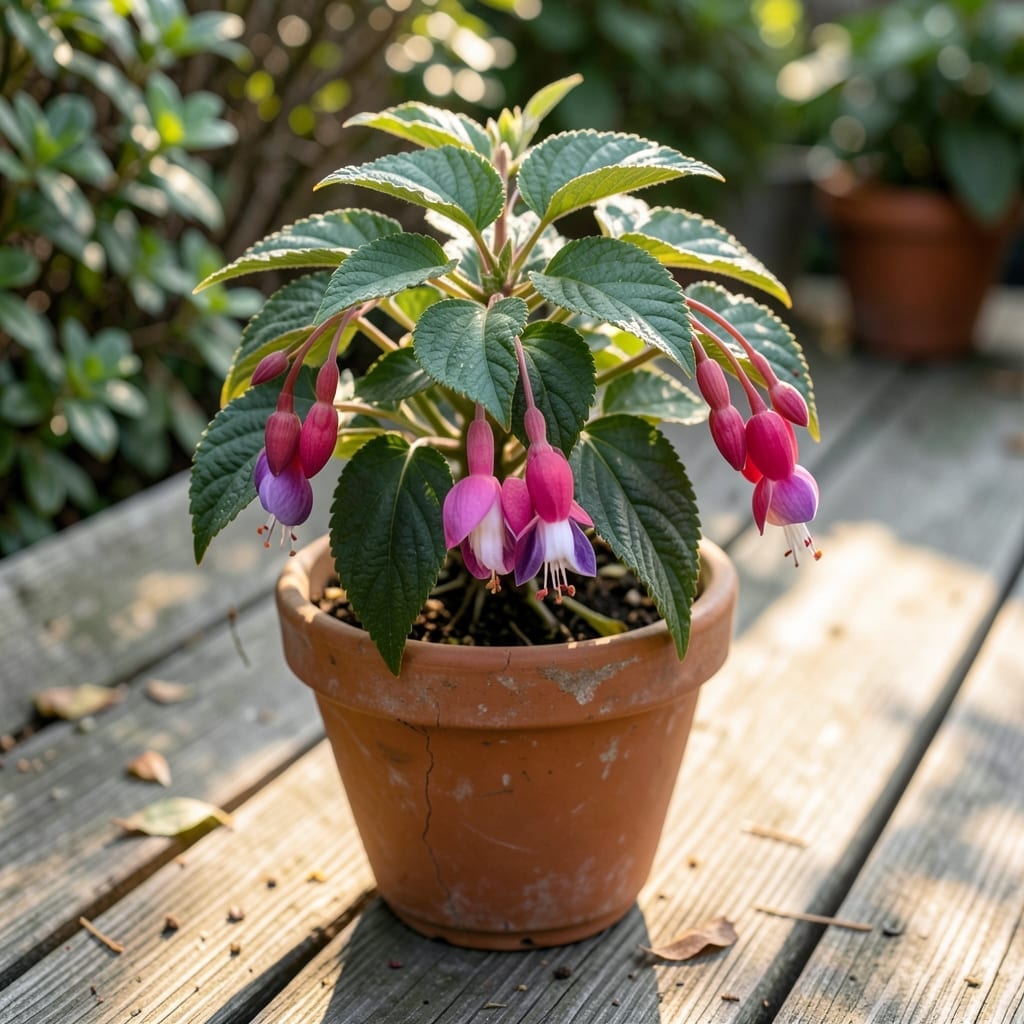
There’s something magical about watching 🌸 Fuchsia flowers sway in the breeze, their vibrant colors adding life to any garden. But how long can you expect this beauty to last?
As a gardener, I’ve learned that timing is everything when it comes to enjoying these delicate blooms. With the right care, you can stretch their flowering period further than you might think.
From the first buds in spring to the final blooms of the season, understanding their cycle helps you plan. I’ll share what I’ve discovered about maximizing their display.
Discover how to make the most of your Fuchsia’s blooming potential and keep your garden vibrant for months.
If you’ve ever admired a fuchsia’s cascading blooms, you know they’re a garden showstopper. Their flowering period typically spans 6 to 8 weeks per cycle, but don’t be surprised if they bloom even longer under ideal conditions.
In most climates, fuchsias start blooming in late spring and continue through early fall. With proper care, some varieties can produce multiple bloom cycles in a single season.
| Blooming Factor | Details |
| Season | Late spring to early fall |
| Duration Per Cycle | 6-8 weeks |
| Potential Cycles | 2-3 with ideal care |
| Peak Bloom | Summer months |
| Climate Impact | Longer in mild climates |
I’ve found that hardy fuchsias in cooler zones may bloom shorter but more intensely, while tender varieties in warmer areas can flower almost year-round with protection from frost.
The secret to extended blooming starts with planting in partial shade. Too much direct sun can scorch their delicate petals, while too little light reduces flower production. Aim for 4-6 hours of gentle morning sun.
Consistent watering is another key factor. Fuchsias prefer moist but well-drained soil. Let the top inch dry between waterings, but never allow the roots to sit in soggy conditions. This balance keeps them blooming strongly.
In my experience, deadheading spent blooms encourages new flowers to form. I make it a habit to remove faded flowers weekly, which often triggers a fresh wave of blooms within 2-3 weeks.
For container-grown fuchsias, I recommend regular feeding with a balanced fertilizer every 2-4 weeks. This provides the nutrients they need to sustain blooming throughout the season.
Remember that temperature extremes can cut blooming short. Fuchsias thrive in 60-75°F temperatures. In hotter climates, provide afternoon shade to prevent heat stress and prolong their flowering period.
With these conditions met, it’s possible to enjoy fuchsia blooms for 4-5 months in many growing zones. The exact duration depends on your local climate and how well you maintain their ideal growing conditions.
I’ve seen the biggest difference when combining proper light, consistent moisture, and regular deadheading. This trio of care practices can significantly extend your fuchsia’s blooming window 🌸
I’ve found that with the right care, Fuchsia blooms can last 6-8 weeks per cycle, and you can even coax multiple cycles from your plants. The key is consistency in their growing conditions.
These vibrant flowers thrive when they receive partial shade and consistent moisture. Too much direct sun can scorch their delicate petals, while dry soil cuts their display short. 🌿
In my experience, deadheading faded blooms is the most effective way to keep your Fuchsias producing new flowers. This simple task prevents the plant from wasting energy on seed production.
Remember that container-grown Fuchsias may need more frequent watering than those in the ground. Their roots dry out faster, especially in warm weather. ✂️
Finally, watch for pests like aphids or whiteflies, which can weaken plants and reduce blooming time. Regular inspections and organic treatments keep them at bay.
With these tips, your Fuchsias can bloom from early summer through fall, giving you months of color. 🌷