
Beautiful Plants For Your Interior
Beautiful Plants For Your Interior
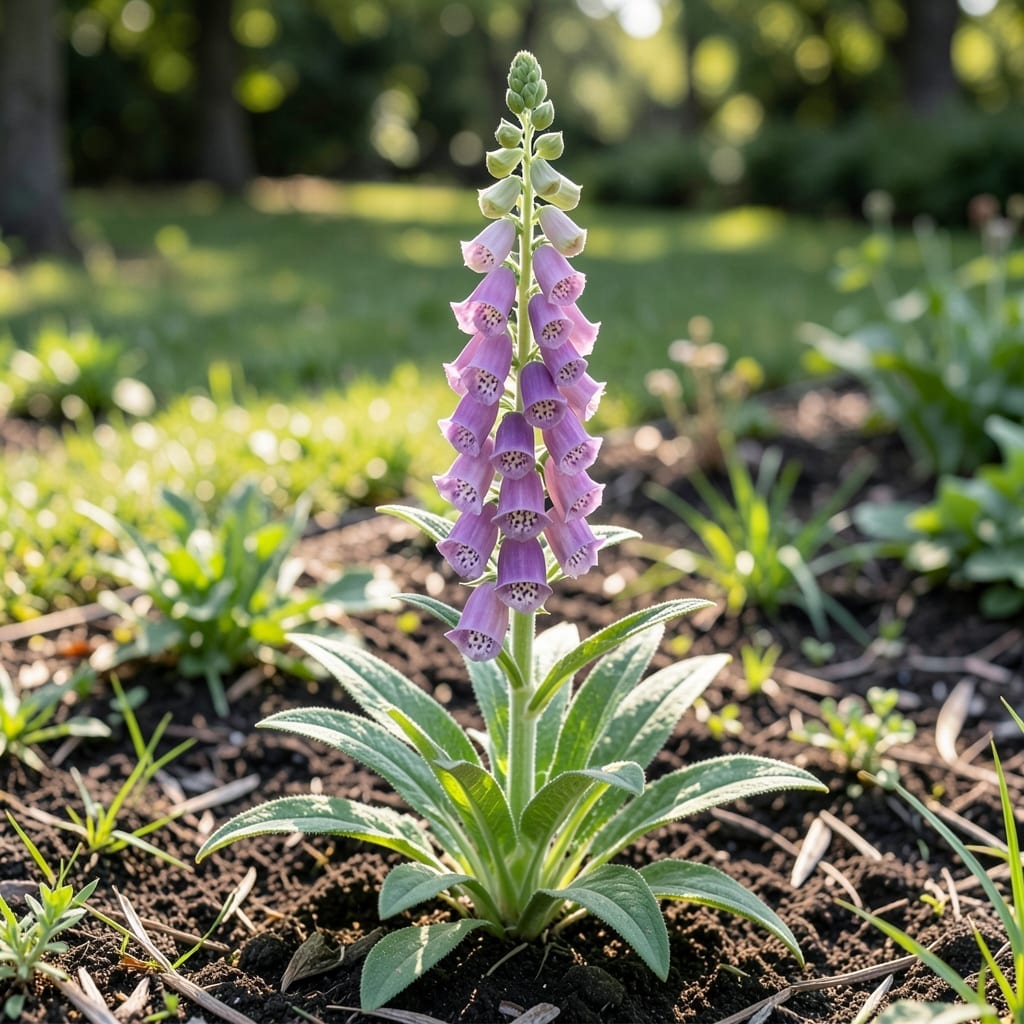
Foxgloves bring towering spikes of bell-shaped blooms to gardens, but their flowering period can feel frustratingly brief. I remember planting my first 🌸 Foxglove and watching its stunning display fade far too quickly.
Understanding their blooming timeline helps you make the most of these beautiful plants. In most gardens, you can expect a 4-6 week flowering window that typically arrives in late spring to early summer.
What surprises many gardeners is how much the duration can vary. Climate, soil conditions, and even the specific variety you choose all play a role in how long your Foxgloves will bloom.
Discover how to extend this magical period and keep your garden vibrant longer. The secrets might be simpler than you think.
I love how foxgloves transform gardens with their tall flower spikes, but many gardeners wonder about their blooming duration. Typically, each foxglove plant flowers for 4-6 weeks during its peak season.
Their natural blooming window falls in late spring to early summer, usually starting in May or June depending on your climate. This is when the bell-shaped flowers put on their most spectacular show.
| Stage | Timeline | Details |
|---|---|---|
| Biennial Varieties | Year 2 | Flowers May-July after winter dormancy |
| Perennial Types | Year 1+ | Blooms June-August with proper care |
| Individual Spike | 4-6 Weeks | Each flower stalk lasts this duration |
| Seed to Bloom | 12-18 Months | Biennials need cold period to flower |
For biennial foxgloves, the flowering cycle is particularly interesting. They grow vegetative rosettes the first year, then bloom spectacularly the second year before often dying back.
Perennial foxgloves, like Digitalis grandiflora, may rebloom if you deadhead spent flowers and provide consistent moisture. This can extend their display into late summer.
The exact timing varies by USDA zone—in warmer zone 8, they may bloom earlier than in cooler zone 4. I’ve noticed my zone 6 garden sees peak blooms in early June.
Microclimates in your garden also affect blooming. A sheltered spot with morning sun and afternoon shade often produces the longest-lasting flowers. Avoid hot, dry locations.
If you’re growing from seed, remember that cold stratification helps trigger flowering. I sow mine in late summer for blooms the following year. This mimics their natural germination cycle.
For continuous color, I recommend staggered planting. Start some seeds early indoors and others direct-sown later. This way, you’ll have foxgloves blooming at different times.
The flowering period might seem short, but their impact is long-lasting. Their vertical presence and pollinator appeal make them worth the wait each season 🌿
I love watching foxgloves transform gardens with their tall flower spikes, but their natural 4-6 week bloom can leave you wanting more. The good news is you can stretch this period significantly with the right approach.
First, I always deadhead spent flowers immediately. This prevents energy from going to seed production and encourages the plant to push out new blooms from side stems.
I’ve found that successive planting works wonders. By sowing new foxglove seeds every 2-3 weeks from early spring to late summer, you can create a continuous display that lasts months rather than weeks.
Partial shade and consistent moisture are also key. Foxgloves thrive in morning sun with afternoon protection, and they’ll reward you with longer-lasting blooms if their roots stay cool and hydrated.
Don’t overlook soil quality either. I always amend my beds with organic matter before planting. Rich, well-draining soil helps foxgloves establish strong root systems that support extended flowering.
With these strategies, I’ve managed to enjoy foxglove blooms from late spring through early fall in my zone 7 garden. It’s amazing how much difference a little extra care can make! 🌿